

Our age likes to think of itself as a time of constant change – leadership gurus call it ‘permanent white water’ – but how fast and fundamental were the changes around the end of the eighteenth century? In 1779, when Captain James Cook was killed in Hawaii, Europeans were settled in South and Central America and the Dutch East Indies, and were nibbling at the edges of India and Africa. Jesuit missionaries had been in China for the better part of two centuries. The rebellion in Britain’s American colonies seemed to be under control, despite the instability of George III and the interference of Louis XVI – whose position, despite some economic problems, looked unassailable. No sane person would have imagined that the traders, pirates, missionaries and scientists probing remote parts of the globe were harbingers of anything more than an expansion of trade and knowledge.
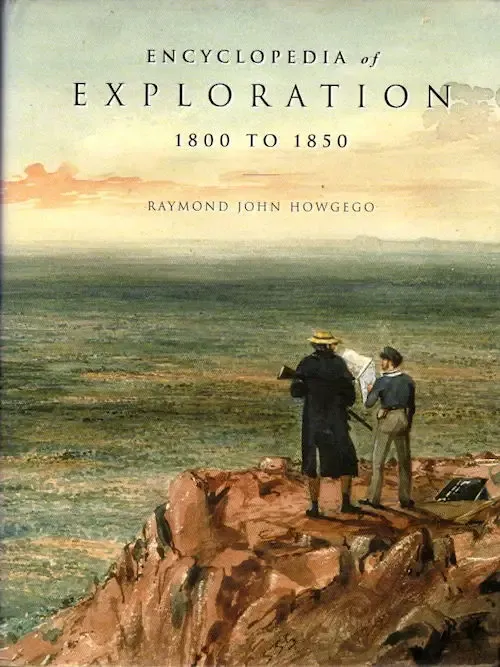
Encyclopedia Of Exploration 1800 To 1850 by Raymond John Howgego
Hordern House, $245 hb, 690 pp
ABR receives a commission on items purchased through this link. All ABR reviews are fully independent.





If you are an ABR subscriber, you will need to sign in to post a comment.
If you have forgotten your sign in details, or if you receive an error message when trying to submit your comment, please email your comment (and the name of the article to which it relates) to ABR Comments. We will review your comment and, subject to approval, we will post it under your name.
Please note that all comments must be approved by ABR and comply with our Terms & Conditions.