
Albanese’s ‘Australian Way’
Current Issue
- Events
- Book reviews
- Arts criticism
- Prizes & Fellowships
Sign Up For Our Newsletters
- Events
- Book reviews
- Arts criticism
- Prizes & Fellowships
Sign Up For Our Newsletters
The Möbius Book by Catherine Lacey
In The Möbius Book, an ingenious merging of fact and fiction by American writer Catherine Lacey, Lacey recalls including in one of her pieces of short fiction a poem about growing up with ‘an angry man in your house … and if one day you find that there is / no angry man in your house – / well, you will go find one and invite him in!’ (The poem appears in Lacey’s stinging short story ‘Cut’, first published in The New Yorker in 2019.)
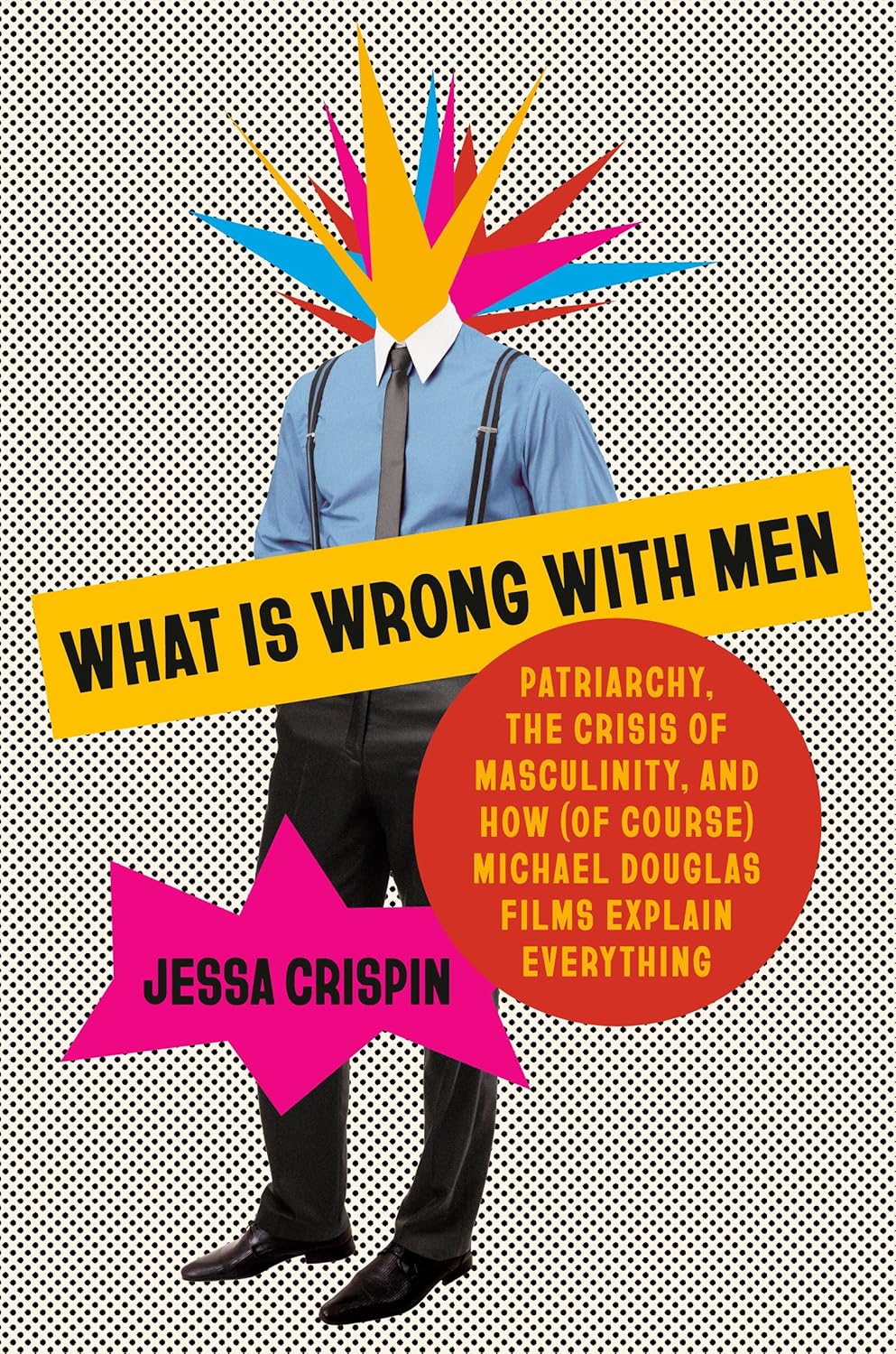
What Is Wrong with Men by Jessa Crispin & The Male Complaint by Simon James Copland
Although the tone of their commentaries differs, Jessa Crispin’s What Is Wrong with Men and Simon James Copland’s The Male Complaint are, more or less, examining the same thing: the workings of the patriarchy in general and what specifically has gone wrong, especially in recent times, with what Crispin refers to as ‘the tug of war’ between men and women.
The Sea in the Metro by Jayne Tuttle
Jayne Tuttle’s The Sea in the Metro is the third book in a trilogy of memoirs about living, working, and becoming a mother in Paris. Like Paris or Die (2019) and My Sweet Guillotine (2022), Tuttle’s latest book applies a sharp scalpel to her own psyche while playing with genre. She explores the brutal realities of giving birth and raising a toddler in a foreign city, the seemingly impossible task of balancing motherhood with paid work, the joys and hardships of striving to be a capital ‘W’ writer while copywriting for cash, and what family might look like in brittle, Parisian culture. Tuttle also examines the complex ramifications of a near-death experience and a hospital birthing trauma on her ongoing physical and mental health – and intimate relationships.
The Leap by Paul Daley
Who should we celebrate, or perhaps fault, for the publishing success of books labelled ‘outback noir’ in Australia over the past decade? Our starting point could be Jane Harper’s bestselling book The Dry (2016). The cornerstone of the genre for the author of The Leap, Paul Daley, is the seminal Kenneth Cook novel, Wake in Fright, first published in 1961. The longevity of the novel owes much to the 1971 feature film of the same name, directed by Ted Kotcheff, remembered for the infamous filming of a visceral Kangaroo shoot and the actor Donald Pleasence playing a most unpleasant lech. The Wolf Creek film franchise also deserves an honourable mention, along with its larrikin psychopathic killer, Mick Taylor, if not the real-life mass murderer, Ivan Milat himself.
Now, the People!: Revolution in the twenty-first century by Jean-Luc Mélenchon, translated from French by David Broder
Jean-Luc Mélenchon is famous in France for his booming eloquence, his rich vocabulary, and his deep knowledge of history and politics. The firebrand orator was born in 1951 in Tangier, Morocco, to parents of Spanish and Sicilian descent, then moved to France with his mother in 1962. After a degree in philosophy and languages he was a schoolteacher before becoming a political organiser and elected politician, notably from inner-city Marseille.
A Life in Letters by Robert Chevanier and André A. Devaux, translated from French by Nicholas Elliott
In his otherwise bleak 1963 novel The Spy Who Came in from the Cold, John le Carré lets himself have a little fun with the character of Elizabeth Gold. She is an idealistic Jewish woman in her mid-twenties who works in a small library in the London neighbourhood of Bayswater. She is also a member of the British Communist Party. For Liz, however, membership is less a matter of ideology than a token of her moral commitment to peace work and the alleviation of poverty. She is disdainful of her local branch, with its petty ambitions to be ‘a decent little club, nice and revolutionary and no fuss’ – unlike her comrades in the German Democratic Republic (GDR), whose determined struggle against the militarism and decadence of the capitalist West she admires from afar.
‘Journey Beginning Things’
Suitcase red girl teenager together
New space time moving thataway
Farewell waving family people mindset
On the Calculation of Volume: Book I by Solvej Balle, translated from Danish by Barbara J. Haveland & On the Calculation of Volume: Book II by Solvej Balle, translated from Danish by Barbara J. Haveland
In a famous thought experiment based on the notion of ‘eternal return’, German philosopher Friedrich Nietzsche asked what it would be like to live the same life over and over again, for eternity. Nietzsche’s intention was to set a kind of test that encourages us to consider whether we are living our best life, the life that makes us happiest.
Letters – October 2025
My career began at Australian Book Review, and as such I’ve been prompted to reflect on the importance of publications such as ABR to ensuring a robust critical culture in Australia in the wake of Meanjin’s closure. The decision was announced on September 4 that Meanjin, one of Australia’s longest-running literary journals, would cease to be published by its custodian, Melbourne University Publishing, and that the editor and I would be made redundant.
ABR Arts
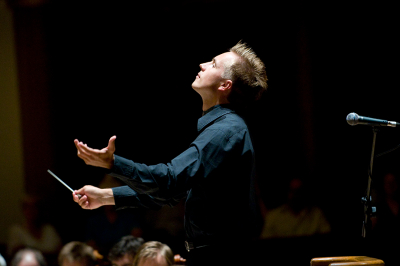
Bruckner and Strauss: A thoughtful performance of works by two Romantic masters
Letter from Santa Fe: 'Marriage of Figaro' and Wagner’s 'Die Walküre' at the Opera House
‘Waiting for Godot: Keanu Reeves and Alex Winter reunite for Beckett’s classic’
Book of the Week
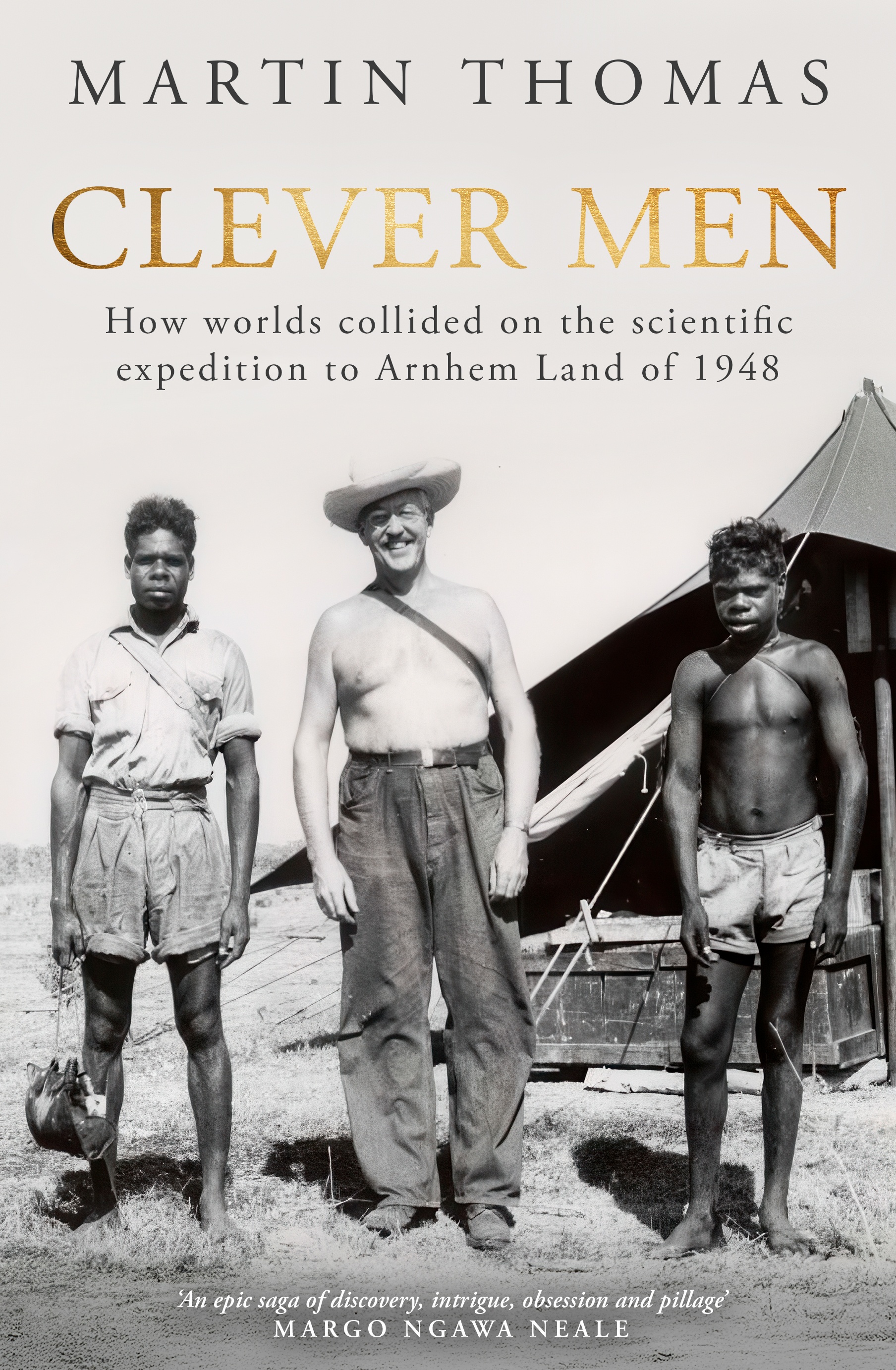
Clever Men: How worlds collided on the scientific expedition to Arnhem Land of 1948 by Martin Thomas
Soon after the conclusion of the 1948 Arnhem Land expedition, its leader, Charles Pearcy Mountford, an ethnologist and filmmaker, was celebrated by the National Geographic Society, a key sponsor of the expedition, along with the Smithsonian Institution in Washington DC and the Commonwealth Department of Information. In presenting Mountford with the Franklin L. Burr Prize and praising his ‘outstanding leadership’, the Society effectively honoured his success in presenting himself as the leader of a team of scientists working together in pursuit of new frontiers of knowledge. But this presentation is best read as theatre. The expedition’s scientific achievements were middling at best and, behind the scenes, the turmoil and disagreement that had characterised the expedition continued to rage.
From the Archive
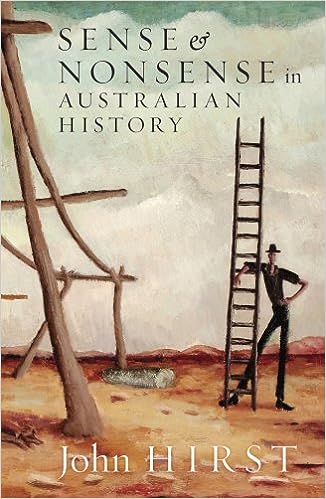
Sense and Nonsense in Australian History by John Hirst
John Hirst is a throwback. I don’t mean in his political views, but in his sense of his duty as an historian. He belongs to a tradition which, in this country, goes back to the 1870s and 1880s, when the Australian colonies began to feel the influence of German ideas about the right relationship between the humanities and the state. Today it is a tradition increasingly hard to maintain. Under this rubric, both historians and public servants are meant to offer critical and constructive argument about present events and the destiny of the nation. Henry Parkes was an historian of sorts, and he was happy to spend government money on the underpinnings of historical scholarship in Australia. The Historical Records of New South Wales was one obvious result, and that effort, in itself, involved close cooperation between bureaucrats and scholars. Alfred Deakin was likewise a man of considerable scholarship (and more sophisticated than Parkes), whose reading shaped his ideas about national destiny, and who nourished a similar outlook at the bureaucratic level.