

Albanese’s ‘Australian Way’
Current Issue
- Events
- Book reviews
- Arts criticism
- Prizes & Fellowships
Sign Up For Our Newsletters
- Events
- Book reviews
- Arts criticism
- Prizes & Fellowships
Sign Up For Our Newsletters
Walking Sydney: Fifteen walks with a city’s writers by Belinda Castles
During the walk she takes with Michelle de Kretser along the Cooks River, the bit that snakes between Hurlstone Park and Tempe, Belinda Castles, the author of Walking Sydney, muses on the impact of Sydney’s geography. ‘On the footpath-climb to skirt the golf course,’ she writes, ‘the village-like nature of Sydney makes itself felt, the way suburbs are enclosed and cut off by ridges and valleys, cliffs and rivers, the tentacles of the harbour. A city’s form has an effect on thinking and ways of being.’
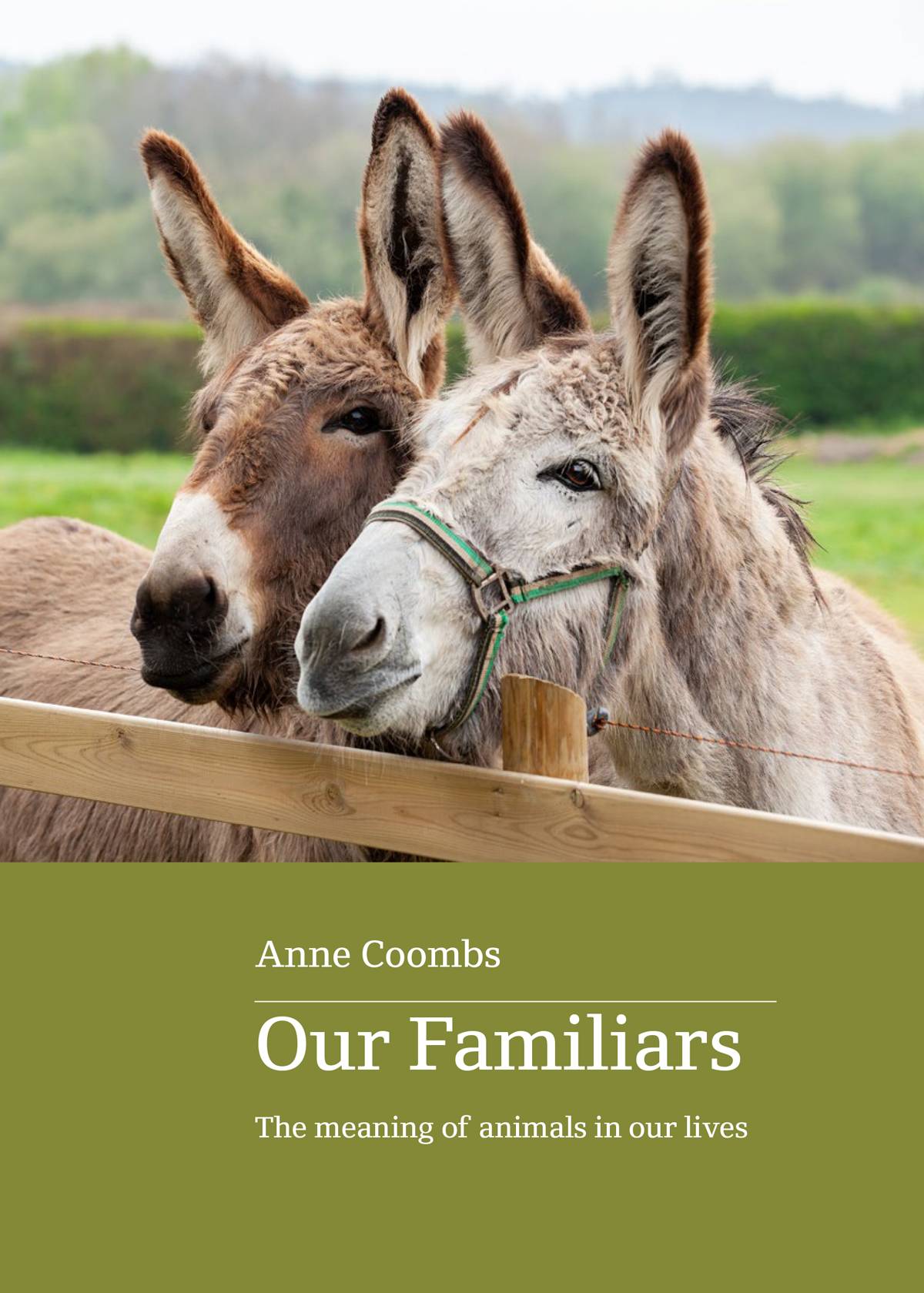
Our Familiars: The meaning of animals in our lives by Anne Coombs
The unbelievable lacework of it all – the patterns and linkages, the flickerings of knowledge and mystery, the astonishing shapes – is what Anne Coombs’s Our Familiars: The meaning of animals in our lives explores. This is a family book; specifically, a multi-species family book. Intimacies made between bodies is the soil in which the work is grown. And it comes from a writer who spent a lifetime thinking about, writing for, and working towards companionship, co-operation, and the safety of others. It is a posthumous publication too; a work fed and raised by Coombs, but finished, edited, and carried into the world by Susan Varga, Anne’s partner of thirty-three years, and close friend Joyce Morgan. Coombs died in December 2021, not long after the Black Summer fires and the Covid-19 pandemic – a time when all our interdependencies were raging (as they continue to).
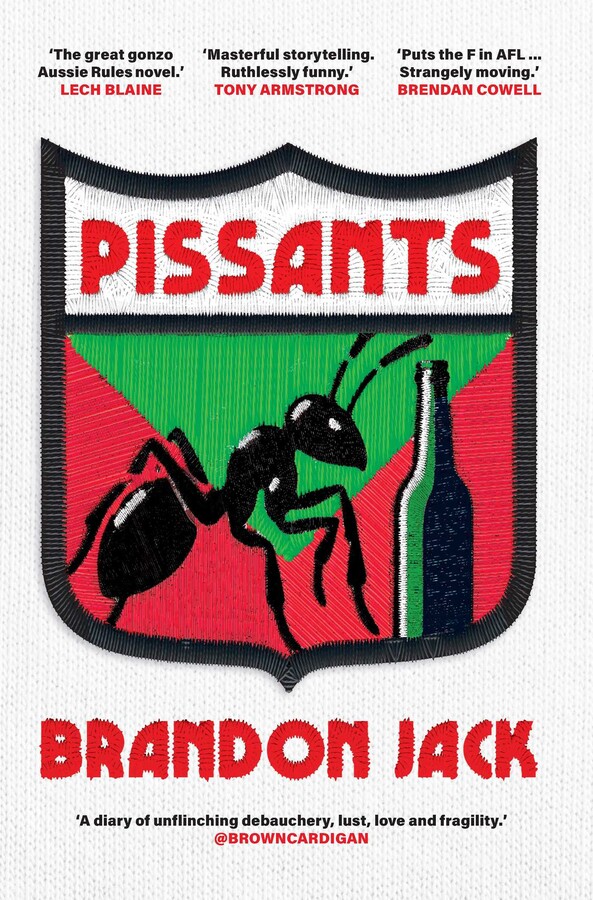
Pissants by Brandon Jack
In The Season, Helen Garner describes a photograph of Australian Football League player Charlie Curnow celebrating a goal: ‘It’s Homeric: all the ugly brutality of a raging Achilles, but also this strange and splendid beauty.’ There is a mythic image in Australian culture of the AFL player doing battle on the football oval with the strength of Hercules or the wit of Odysseus. Brandon Jack’s Pissants, his first novel, is an inversion of this mythopoeia; it is an exposé of football culture, the false pluralism of Australian masculinity, and a deranged form of identity that runs through ‘the club’. It shows the average life of a footballer at the fringes of a team list. Jack, having played for the AFL’s Sydney Swans from 2013 to 2017, has firsthand experience of the (in)famous ‘Bloods Culture’ – one built on a mantra of self-sacrifice, discipline, and unity – and this experience shows throughout the novel.
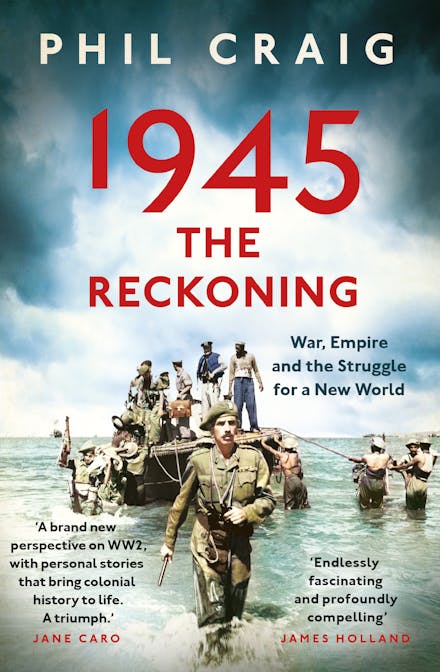
1945: The Reckoning: War, empire and the struggle for a new world by Phil Craig
A wise scholar once advised me against using absolutes in historical writing. The first reason is functional. When you resort to words such as ‘everyone’, ‘everything’, and ‘nobody’, you invite trouble; most of the time you can find an exception. The second reason is more important. The use of such words can betray an approach that packages the messy past too neatly, where there is little room for nuance and even less for uncertainty. Confidence doesn’t necessarily produce the best results.
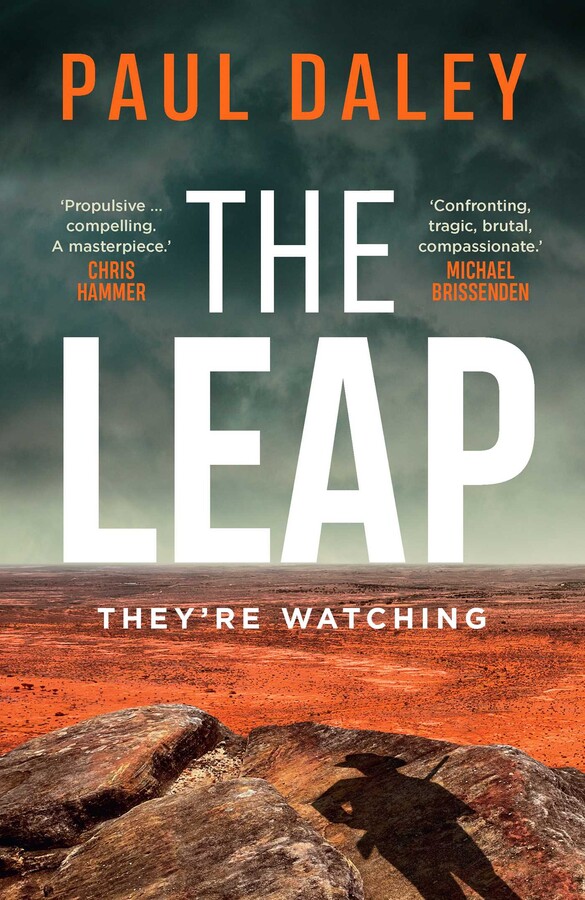
The Leap by Paul Daley
Who should we celebrate, or perhaps fault, for the publishing success of books labelled ‘outback noir’ in Australia over the past decade? Our starting point could be Jane Harper’s bestselling book The Dry (2016). The cornerstone of the genre for the author of The Leap, Paul Daley, is the seminal Kenneth Cook novel, Wake in Fright, first published in 1961. The longevity of the novel owes much to the 1971 feature film of the same name, directed by Ted Kotcheff, remembered for the infamous filming of a visceral Kangaroo shoot and the actor Donald Pleasence playing a most unpleasant lech. The Wolf Creek film franchise also deserves an honourable mention, along with its larrikin psychopathic killer, Mick Taylor, if not the real-life mass murderer, Ivan Milat himself.
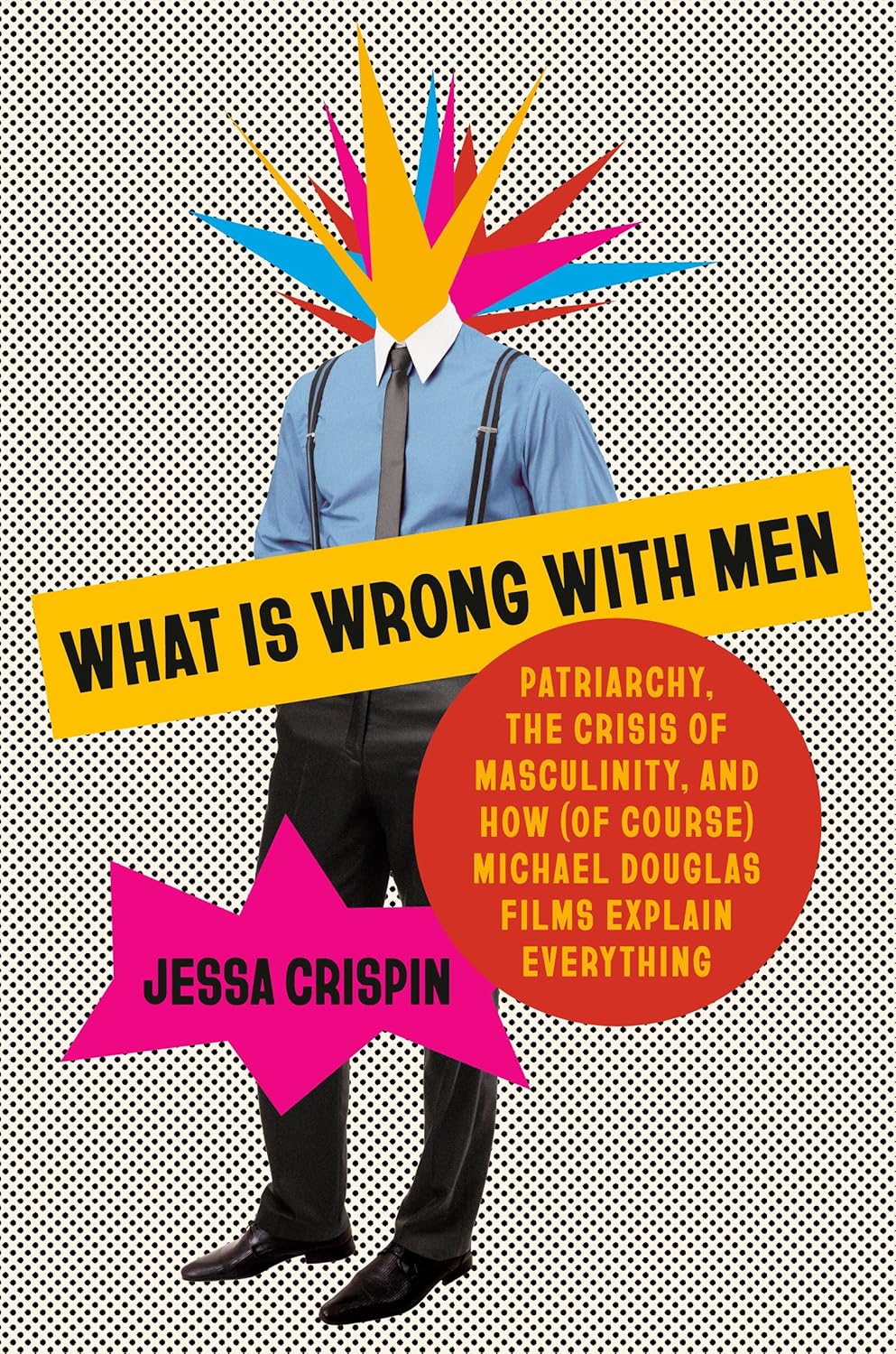
What Is Wrong with Men by Jessa Crispin & The Male Complaint by Simon James Copland
Although the tone of their commentaries differs, Jessa Crispin’s What Is Wrong with Men and Simon James Copland’s The Male Complaint are, more or less, examining the same thing: the workings of the patriarchy in general and what specifically has gone wrong, especially in recent times, with what Crispin refers to as ‘the tug of war’ between men and women.
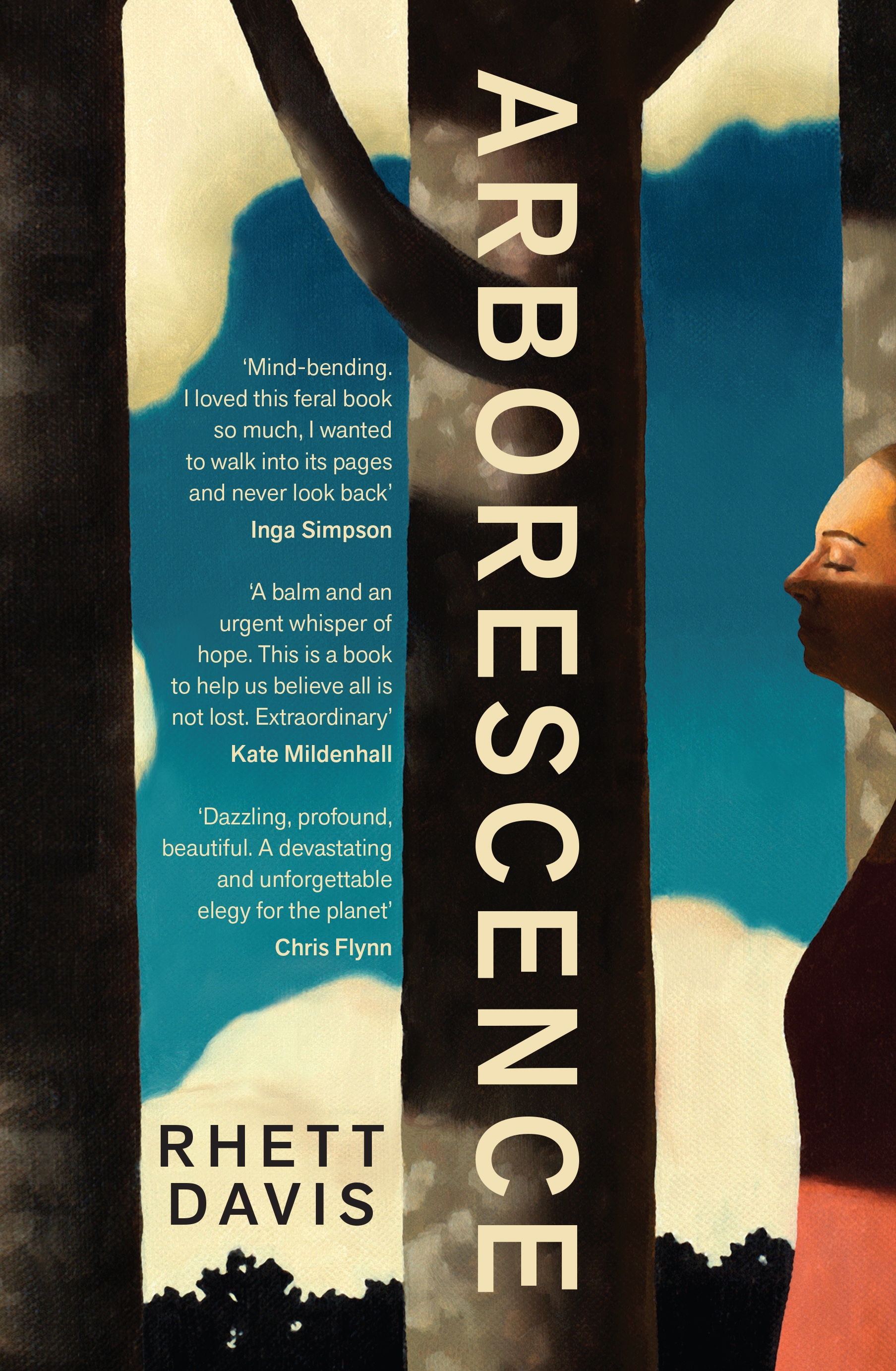
Arborescence by Rhett Davis
The death of the white male novelist, lately the subject of a fistful of literary think-pieces, has been greatly exaggerated. Yet it is a truth widely acknowledged that such authors now lack much of the cultural cachet that they once brazenly wielded. The challenge for these writers has been to transmute themselves into narrative subjects more palatable to the sensibilities of a shifting readership. Some continue to doggedly write self-adjacent fictions; others have willed a kind of metamorphosis, their subjectivities transposed or otherwise suppressed. Then there are those that try to do both. In the case of Rhett Davis’s Arborescence, this results in a novel with a striking elevator pitch: it is about people turning into trees.
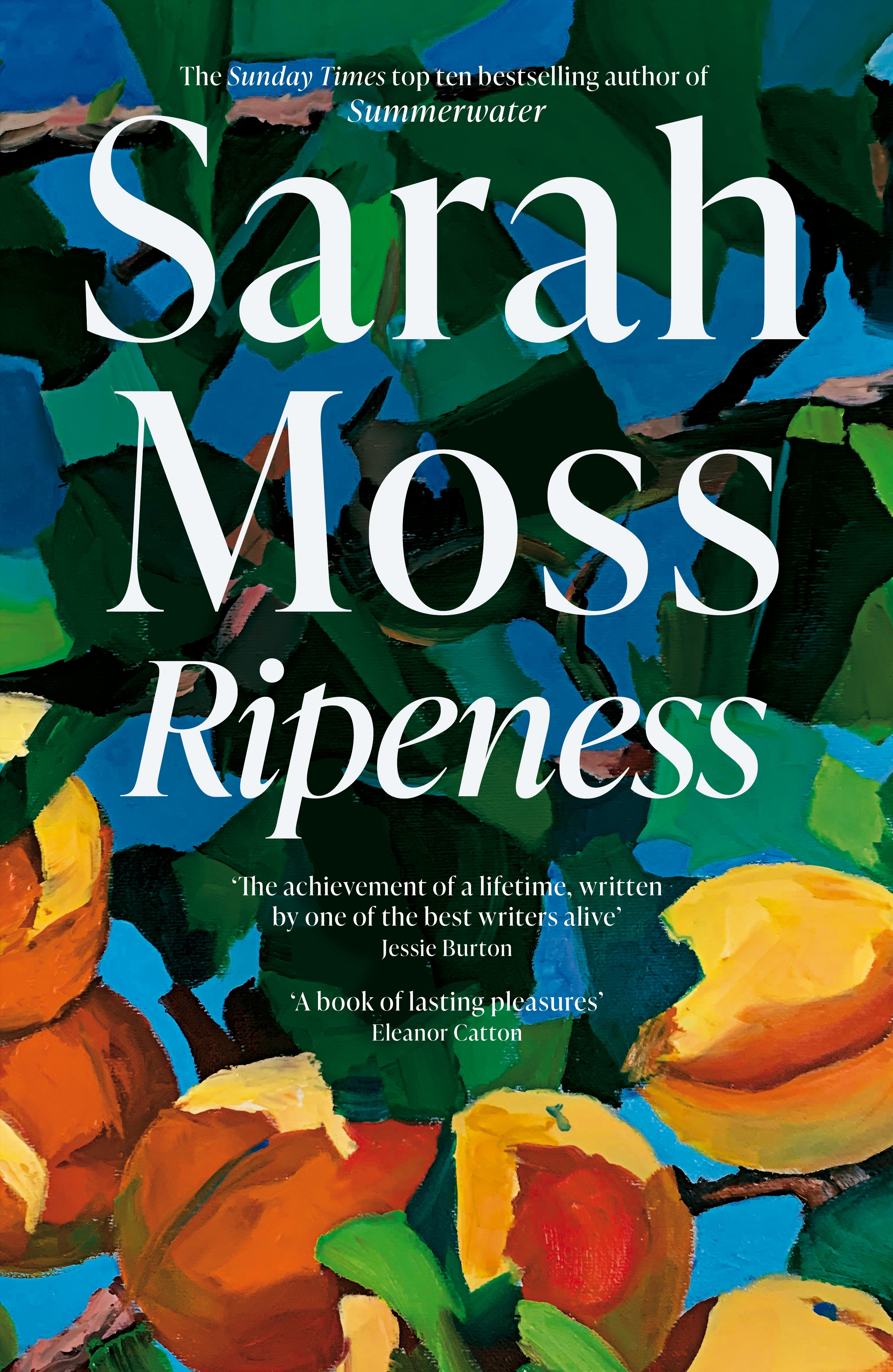
Ripeness by Sarah Moss
Sarah Moss’s tenth novel, Ripeness, charts the burden of bearing witness to tragedies, both personal and historical. At the heart of the story are two sisters from rural Ireland: Lydia, a ballerina, and Edith, a school-leaver due to commence a degree at Oxford. When Lydia falls pregnant, the girls’s mother charges Edith with the responsibility of assisting in the birth and overseeing the transfer of the baby into the care of his adoptive mother.
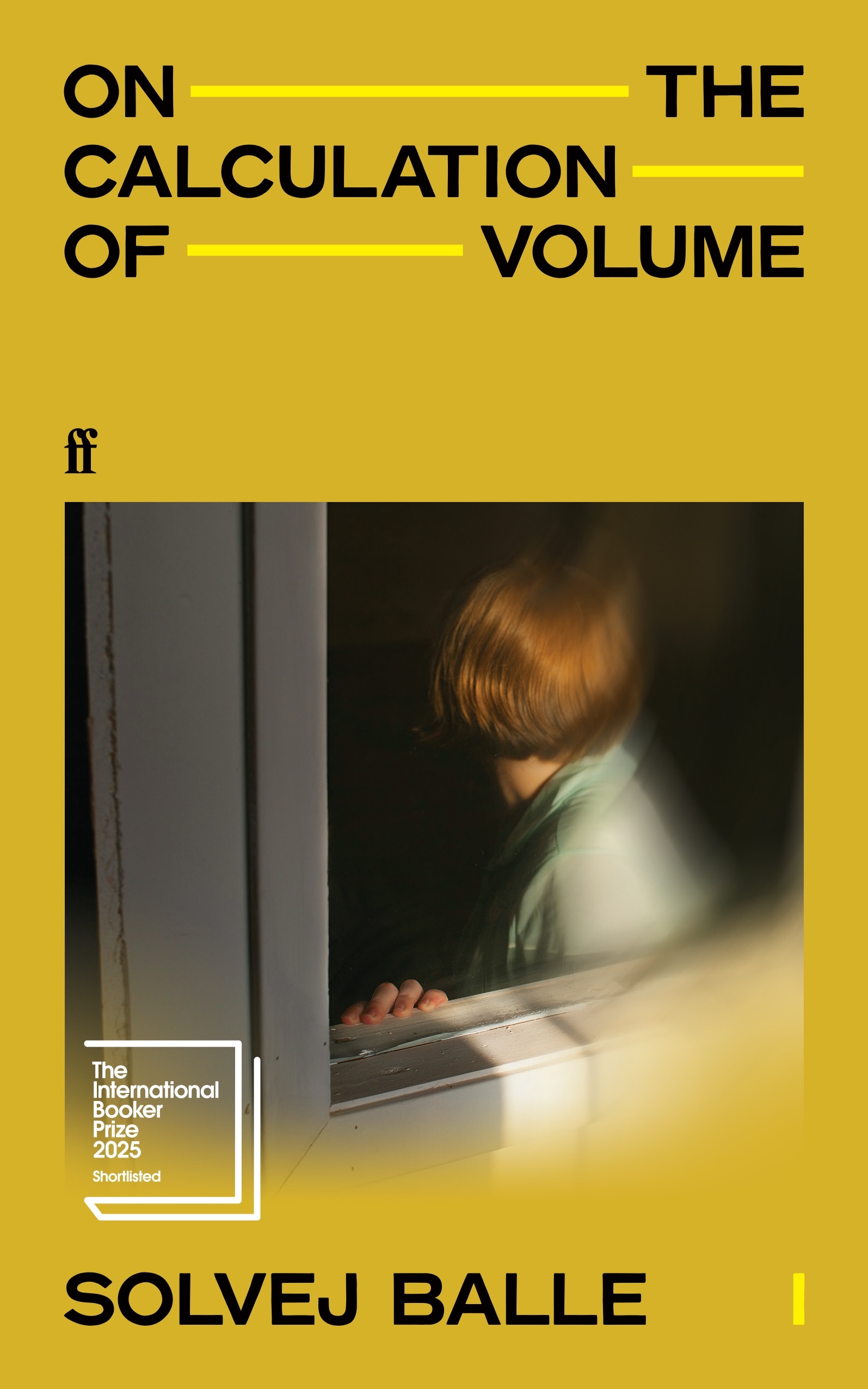
On the Calculation of Volume: Book I by Solvej Balle, translated from Danish by Barbara J. Haveland & On the Calculation of Volume: Book II by Solvej Balle, translated from Danish by Barbara J. Haveland
In a famous thought experiment based on the notion of ‘eternal return’, German philosopher Friedrich Nietzsche asked what it would be like to live the same life over and over again, for eternity. Nietzsche’s intention was to set a kind of test that encourages us to consider whether we are living our best life, the life that makes us happiest.
ABR Arts
Bruckner and Strauss: A thoughtful performance of works by two Romantic masters
Letter from Santa Fe: 'Marriage of Figaro' and Wagner’s 'Die Walküre' at the Opera House
‘Waiting for Godot: Keanu Reeves and Alex Winter reunite for Beckett’s classic’
Book of the Week
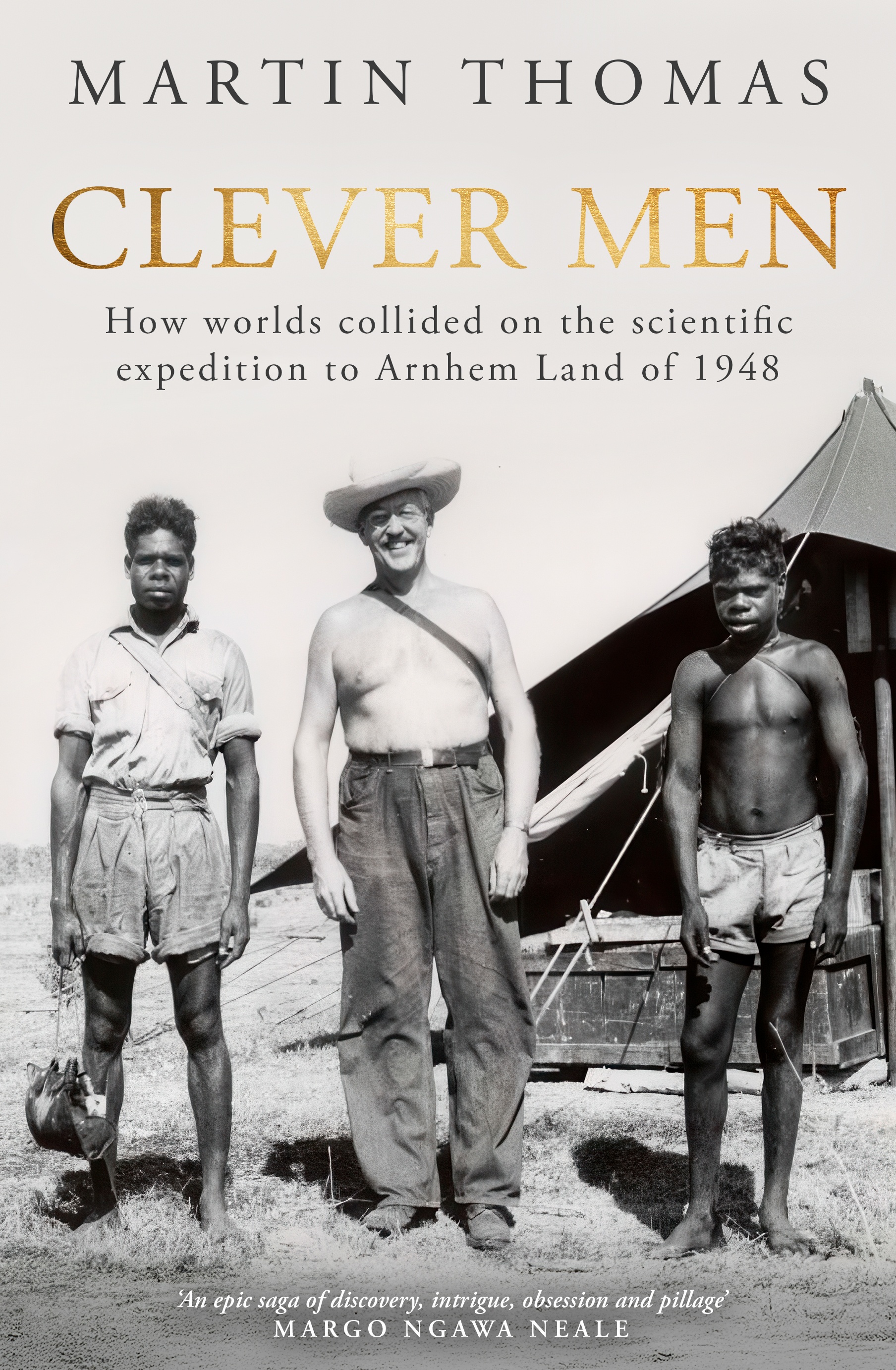
Clever Men: How worlds collided on the scientific expedition to Arnhem Land of 1948 by Martin Thomas
Soon after the conclusion of the 1948 Arnhem Land expedition, its leader, Charles Pearcy Mountford, an ethnologist and filmmaker, was celebrated by the National Geographic Society, a key sponsor of the expedition, along with the Smithsonian Institution in Washington DC and the Commonwealth Department of Information. In presenting Mountford with the Franklin L. Burr Prize and praising his ‘outstanding leadership’, the Society effectively honoured his success in presenting himself as the leader of a team of scientists working together in pursuit of new frontiers of knowledge. But this presentation is best read as theatre. The expedition’s scientific achievements were middling at best and, behind the scenes, the turmoil and disagreement that had characterised the expedition continued to rage.
From the Archive
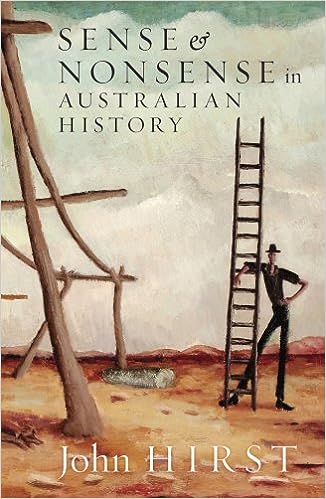
Sense and Nonsense in Australian History by John Hirst
John Hirst is a throwback. I don’t mean in his political views, but in his sense of his duty as an historian. He belongs to a tradition which, in this country, goes back to the 1870s and 1880s, when the Australian colonies began to feel the influence of German ideas about the right relationship between the humanities and the state. Today it is a tradition increasingly hard to maintain. Under this rubric, both historians and public servants are meant to offer critical and constructive argument about present events and the destiny of the nation. Henry Parkes was an historian of sorts, and he was happy to spend government money on the underpinnings of historical scholarship in Australia. The Historical Records of New South Wales was one obvious result, and that effort, in itself, involved close cooperation between bureaucrats and scholars. Alfred Deakin was likewise a man of considerable scholarship (and more sophisticated than Parkes), whose reading shaped his ideas about national destiny, and who nourished a similar outlook at the bureaucratic level.