

Albanese’s ‘Australian Way’
Current Issue
- Events
- Book reviews
- Arts criticism
- Prizes & Fellowships
Sign Up For Our Newsletters
- Events
- Book reviews
- Arts criticism
- Prizes & Fellowships
Sign Up For Our Newsletters
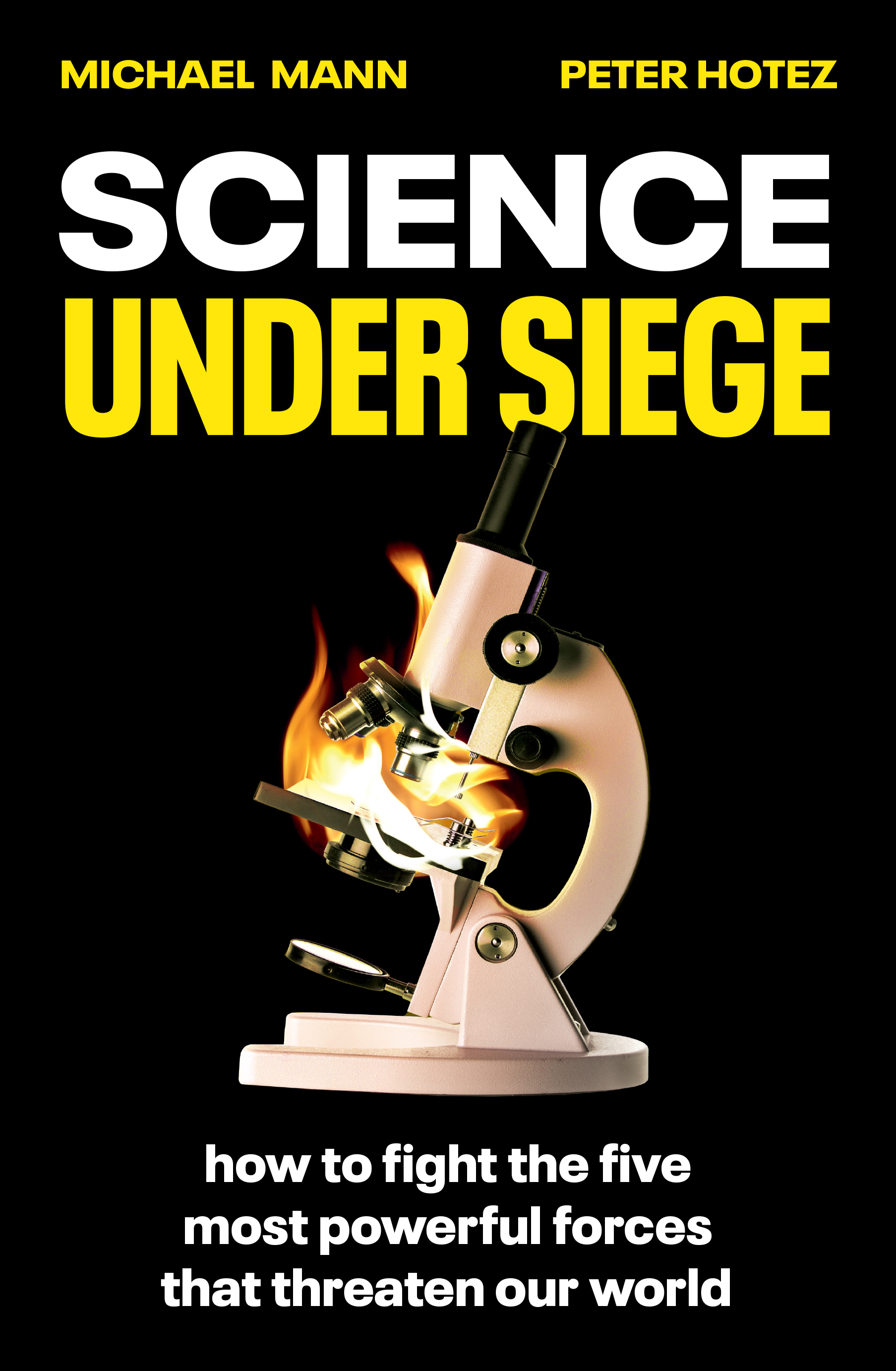
Science Under Siege: How to fight the five most powerful forces that threaten our world by Michael Mann and Peter Hotez
Two distinguished professors have joined forces to write an impassioned book about the recent, concerted attacks on science. While they both live and work in the United States, where what they describe as the ‘forces of darkness’ are most active and influential, the problem they describe is truly global. Mann is a celebrated climate scientist who has been a leading voice in the field since the 1980s, while Hotez is a virologist who became involved in the public debate about the Covid-19 pandemic. The central argument of the book is that we face existential crises in both human health and the health of our planet. While the best hope of successfully tackling these challenges relies on science, there is now ‘politically and ideologically motivated opposition to science’, threatening both our ability to advance understanding of these complex issues and, equally important, the freedom of scientists to communicate their understanding.
‘Inconsolable Poem’
But it is the end of the world to River, who’s standing there
thrown by its incomprehensibilities as I play him R.E.M.,
which is otherwise what he needs, total sleep and churning dreams,
not the drums, distortion and irony, he does not feel fine,
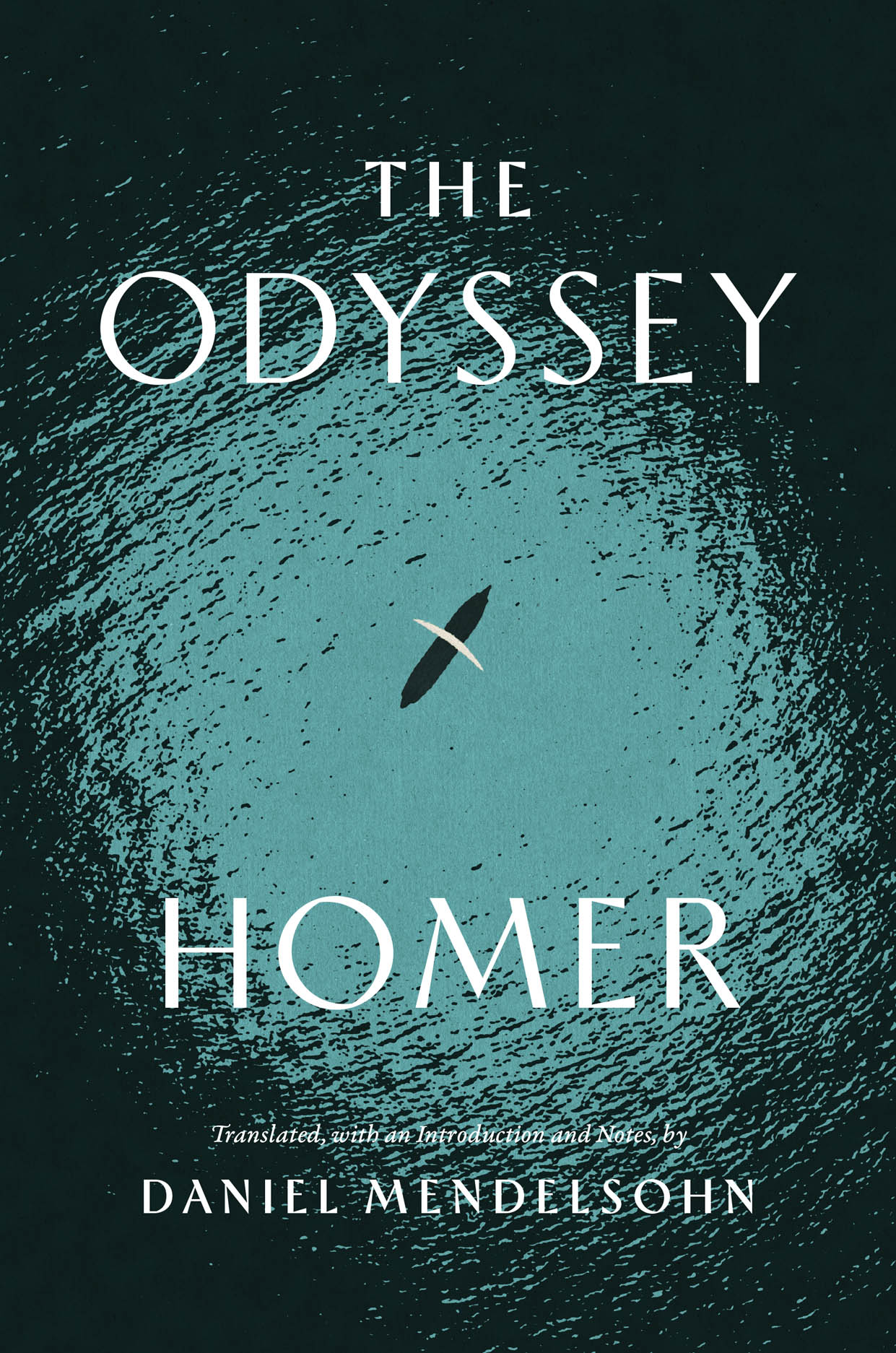
The Odyssey by Homer, translated from ancient Greek by Daniel Mendelsohn
After the horror of war, the difficulty of return – angry seas, lost comrades, plotters at home. Daniel Mendelsohn teaches at Bard College and writes for The New York Review of Books. His compelling new translation of the Odyssey acknowledges the themes of this story have been repeated over millennia: separation, trials, and reunion.
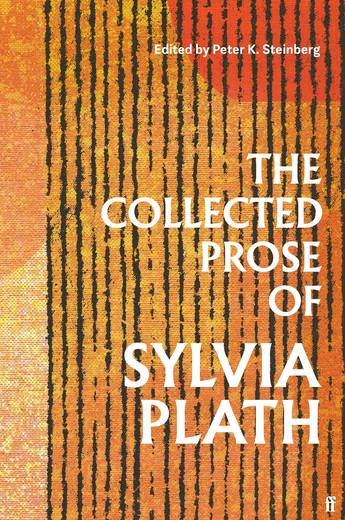
‘Archives and Hives: Three books which tell of Sylvia Plath’s spring’
For seven years after her 1963 burial, Sylvia Plath lay in an unmarked grave near St Thomas the Apostle Church in Heptonstall, West Yorkshire. The gravestone, when it came, bore her birth and married names, Sylvia Plath Hughes, the years of her birth and death, and a line from Wu Cheng-en’s sixteenth-century novel Monkey King:Journey to the West: ‘Even amidst fierce flames, the golden lotus can be planted.’
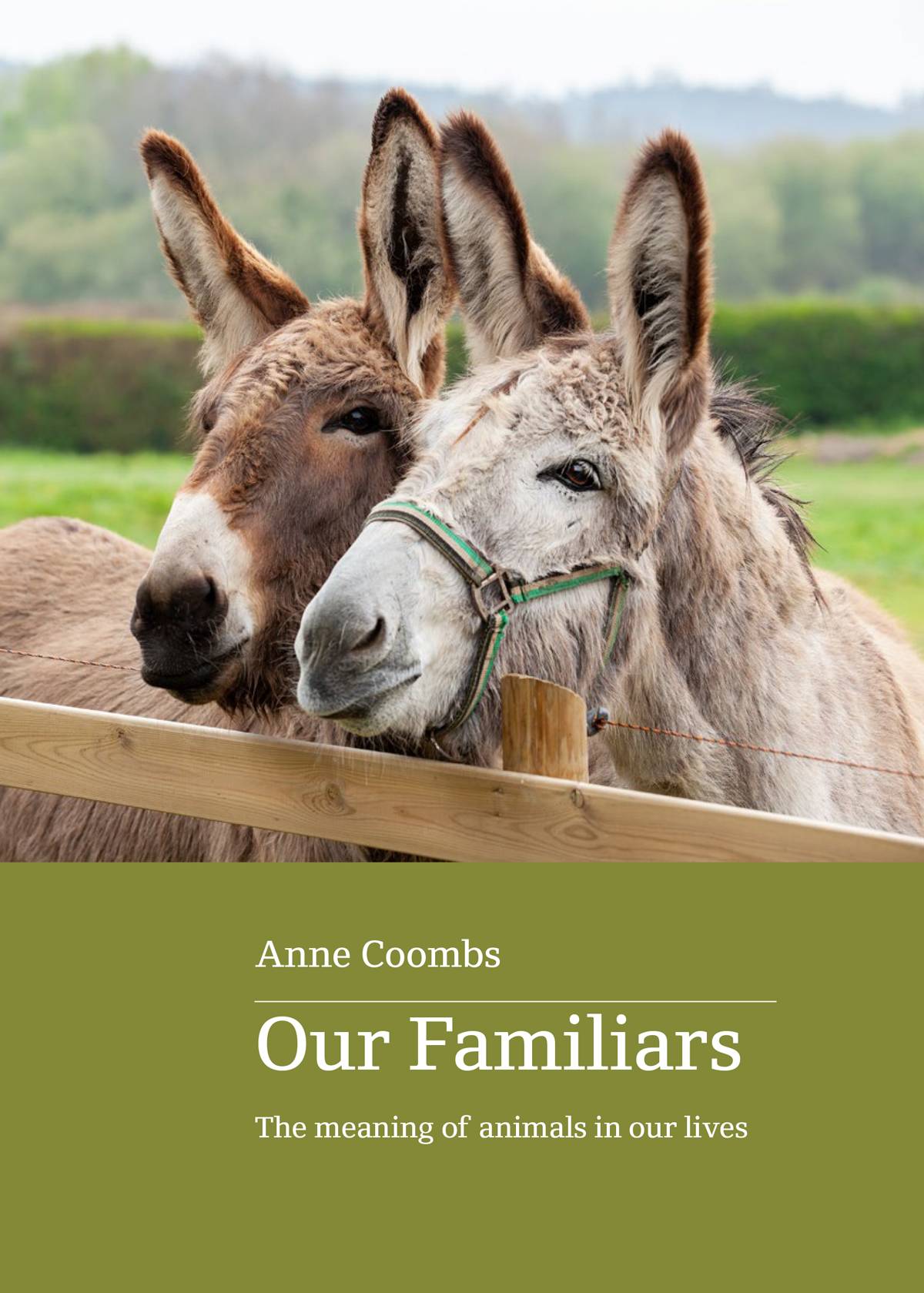
Our Familiars: The meaning of animals in our lives by Anne Coombs
The unbelievable lacework of it all – the patterns and linkages, the flickerings of knowledge and mystery, the astonishing shapes – is what Anne Coombs’s Our Familiars: The meaning of animals in our lives explores. This is a family book; specifically, a multi-species family book. Intimacies made between bodies is the soil in which the work is grown. And it comes from a writer who spent a lifetime thinking about, writing for, and working towards companionship, co-operation, and the safety of others. It is a posthumous publication too; a work fed and raised by Coombs, but finished, edited, and carried into the world by Susan Varga, Anne’s partner of thirty-three years, and close friend Joyce Morgan. Coombs died in December 2021, not long after the Black Summer fires and the Covid-19 pandemic – a time when all our interdependencies were raging (as they continue to).
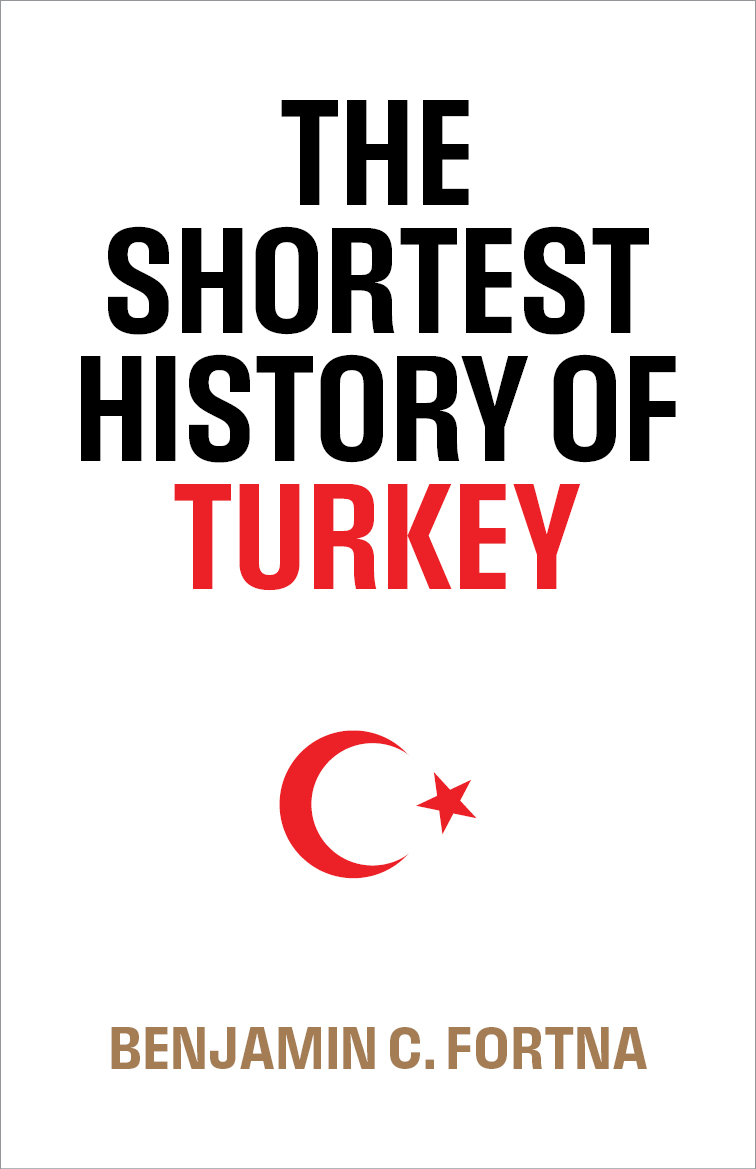
The Shortest History of Turkey by Benjamin C. Fortna
Can a ‘shortest history’ of Turkey, including the expansive history of the Ottoman Empire, work? As well as covering imperial grandeur, it must address complex and sensitive issues such as the Kurdish conflict, the Armenian genocide, Islamism, slavery, and autocracy. Benjamin C. Fortna, a Middle Eastern historian, successfully combines sympathy and interest in Turkey with a candid examination, including of darker aspects of its past.
‘Journey Beginning Things’
Suitcase red girl teenager together
New space time moving thataway
Farewell waving family people mindset
Electric Spark: The enigma of Muriel Spark by Frances Wilson
Some literary biographies are best known for their gestation – or malgestation. Some authors, we might go further, should have a big sign around their neck – noli me tangere. Muriel Spark is one of them. Her voluminous archive, lovingly tended all her life, is full of booby traps. Twice she went into battle with biographers: first Derek Stanford, a former lover; then Martin Stannard, whose biography of Evelyn Waugh she had admired.
Advances – October 2025
Advances, like many in the literary community, was shocked to hear that Meanjin would be publishing its final issue in December. Australia’s second longest-running literary publication was founded in 1940, in Brisbane, where meanjin derives from the Yuggera word for a place in the river where trade and cultural exchange has taken place for thousands of years.
ABR Arts
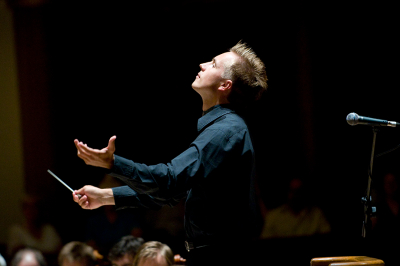
Bruckner and Strauss: A thoughtful performance of works by two Romantic masters
Letter from Santa Fe: 'Marriage of Figaro' and Wagner’s 'Die Walküre' at the Opera House
‘Waiting for Godot: Keanu Reeves and Alex Winter reunite for Beckett’s classic’
Book of the Week
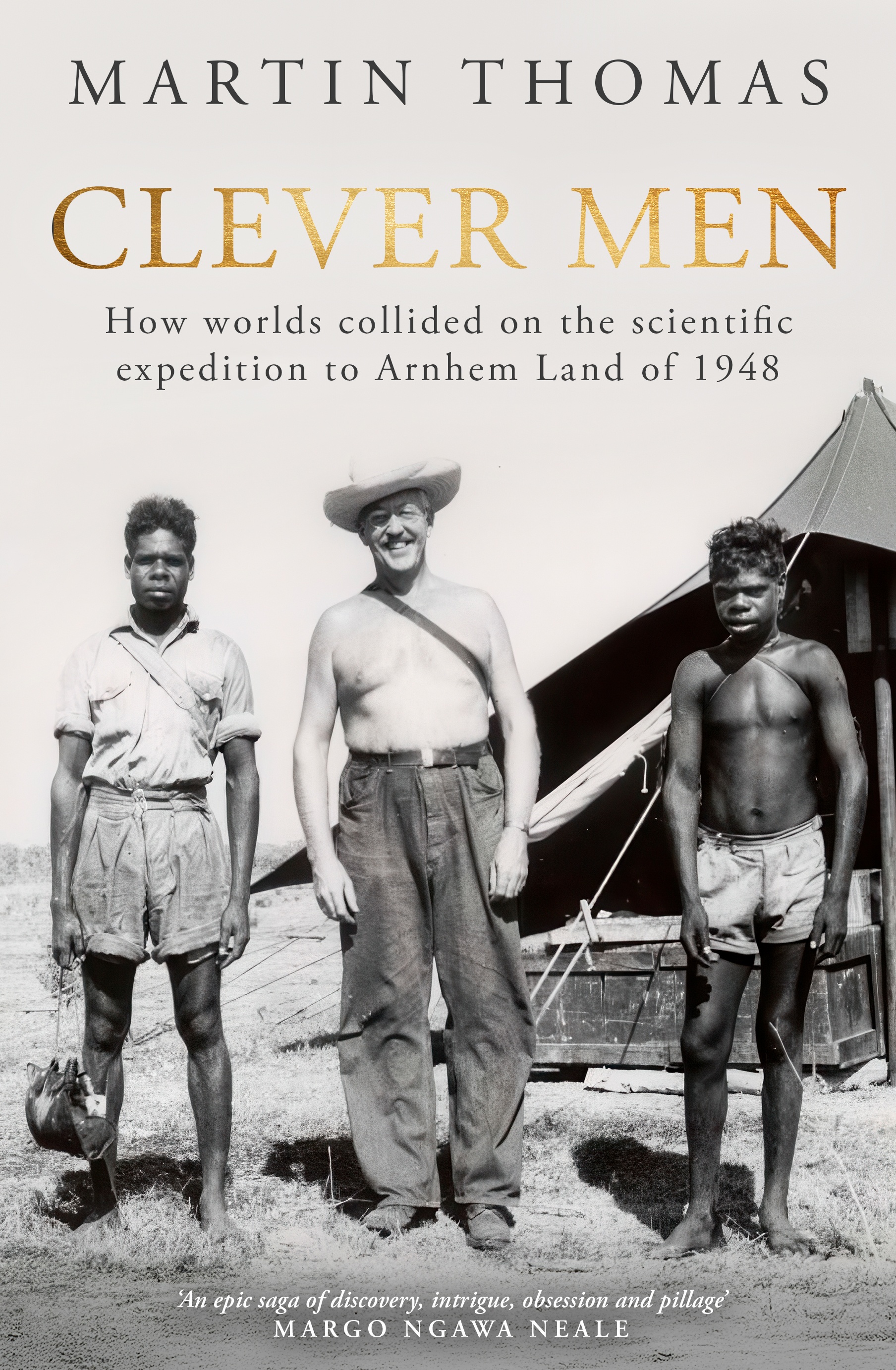
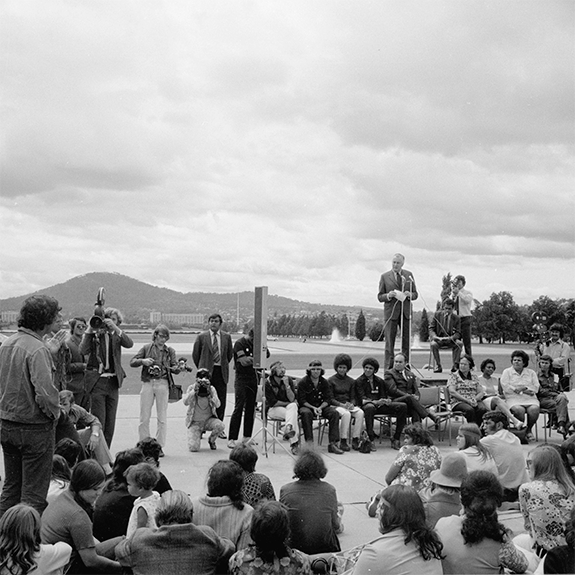
Clever Men: How worlds collided on the scientific expedition to Arnhem Land of 1948 by Martin Thomas
Soon after the conclusion of the 1948 Arnhem Land expedition, its leader, Charles Pearcy Mountford, an ethnologist and filmmaker, was celebrated by the National Geographic Society, a key sponsor of the expedition, along with the Smithsonian Institution in Washington DC and the Commonwealth Department of Information. In presenting Mountford with the Franklin L. Burr Prize and praising his ‘outstanding leadership’, the Society effectively honoured his success in presenting himself as the leader of a team of scientists working together in pursuit of new frontiers of knowledge. But this presentation is best read as theatre. The expedition’s scientific achievements were middling at best and, behind the scenes, the turmoil and disagreement that had characterised the expedition continued to rage.
From the Archive
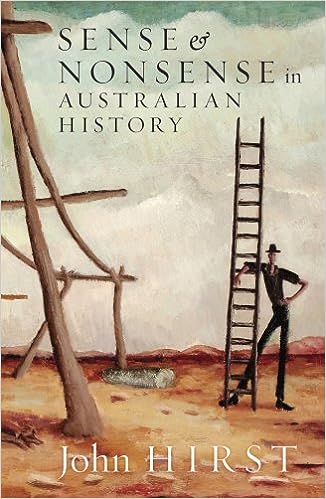
Sense and Nonsense in Australian History by John Hirst
John Hirst is a throwback. I don’t mean in his political views, but in his sense of his duty as an historian. He belongs to a tradition which, in this country, goes back to the 1870s and 1880s, when the Australian colonies began to feel the influence of German ideas about the right relationship between the humanities and the state. Today it is a tradition increasingly hard to maintain. Under this rubric, both historians and public servants are meant to offer critical and constructive argument about present events and the destiny of the nation. Henry Parkes was an historian of sorts, and he was happy to spend government money on the underpinnings of historical scholarship in Australia. The Historical Records of New South Wales was one obvious result, and that effort, in itself, involved close cooperation between bureaucrats and scholars. Alfred Deakin was likewise a man of considerable scholarship (and more sophisticated than Parkes), whose reading shaped his ideas about national destiny, and who nourished a similar outlook at the bureaucratic level.