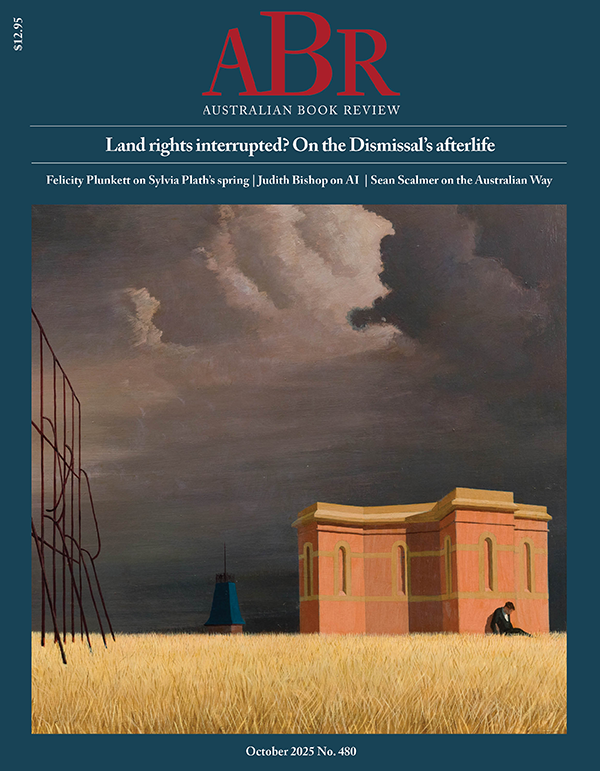
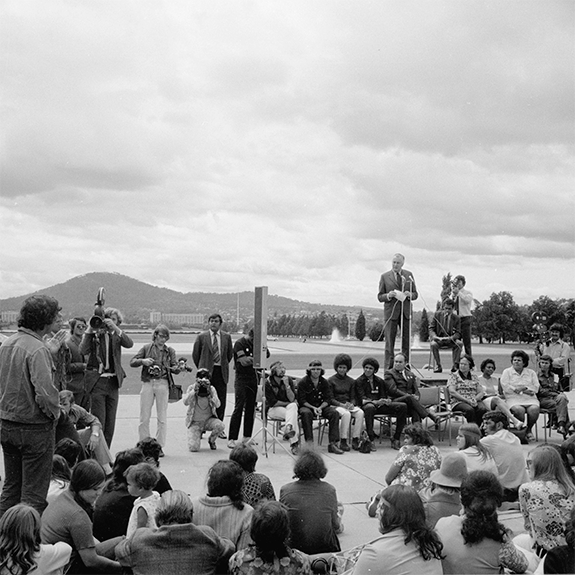


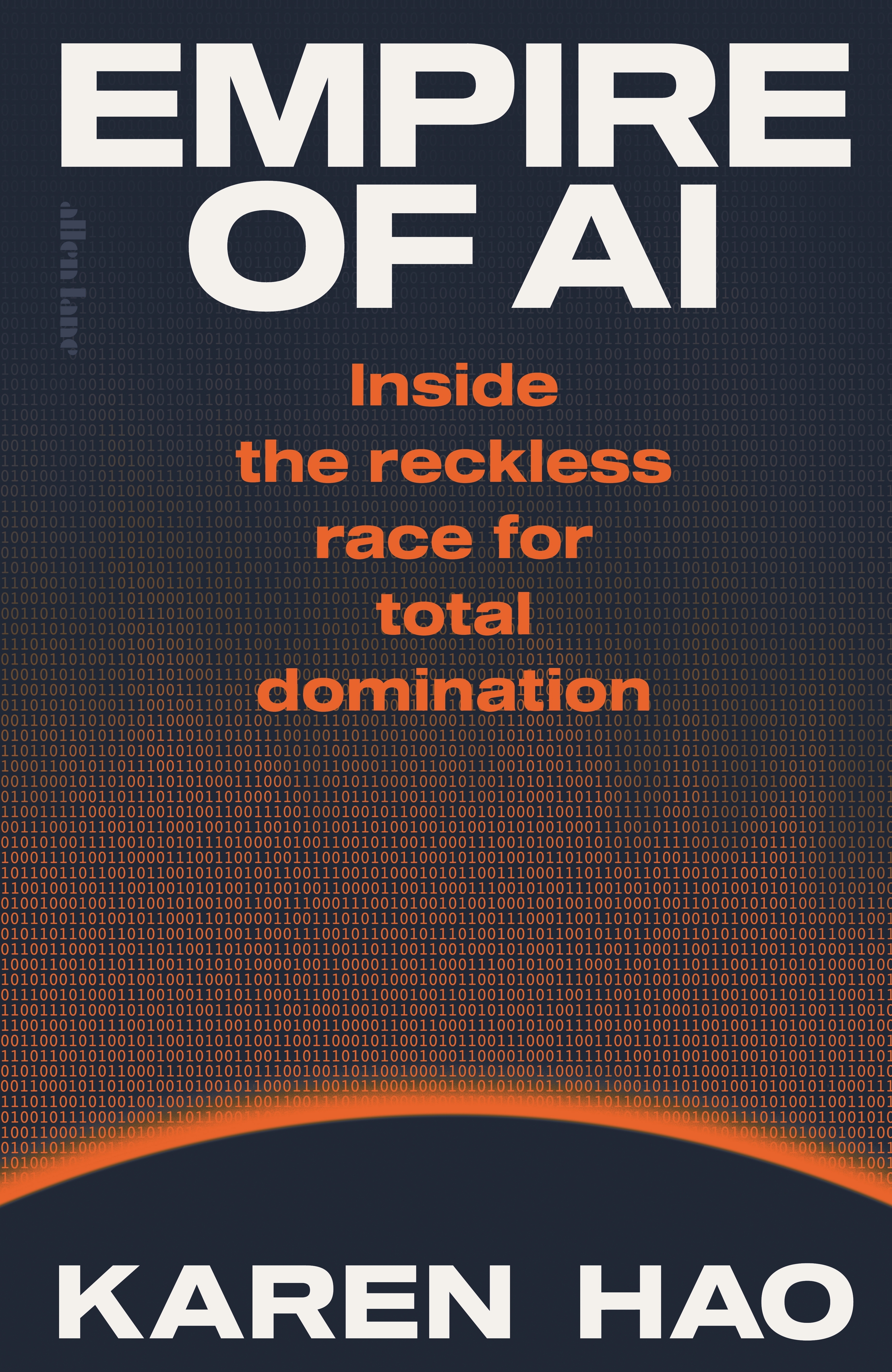
Albanese’s ‘Australian Way’
Current Issue
- Events
- Book reviews
- Arts criticism
- Prizes & Fellowships
Sign Up For Our Newsletters
- Events
- Book reviews
- Arts criticism
- Prizes & Fellowships
Sign Up For Our Newsletters
Our Story: Aboriginal Chinese people in Australia edited by Zhou Xiaoping
It is deeply sobering to be writing about the depth of the history of multicultural Australia only days after rallies against immigration have been held and in the midst of a palpable and disturbing negative response to non-white immigration. There are echoes of the shameful twentieth-century White Australia policy. Far from being a recent phenomenon, multiculturalism has been an integral aspect of Australian society since European settlement in the late eighteenth century. This collection, edited by the artist Zhou Xiaoping, is the outcome of a three-year research project and is the companion monograph for Our Story: Aboriginal Chinese people in Australia, a free, ground-breaking exhibition currently at the National Museum of Australia in Canberra that will run until late January 2026.
Yilkari: A desert suite by Nicolas Rothwell and Alison Nampitjinpa Anderson
Outsiders, mostly white men seeking answers to burning existential questions, have long been ineluctably drawn to Australian deserts. The continental interior, with its deep-time mysteries, has lured not only explorers on fatal quests, but also lone anthropologists, philosophers, and other restless wanderers in search of themselves, burdened with their interrogations and yearnings for higher truth.
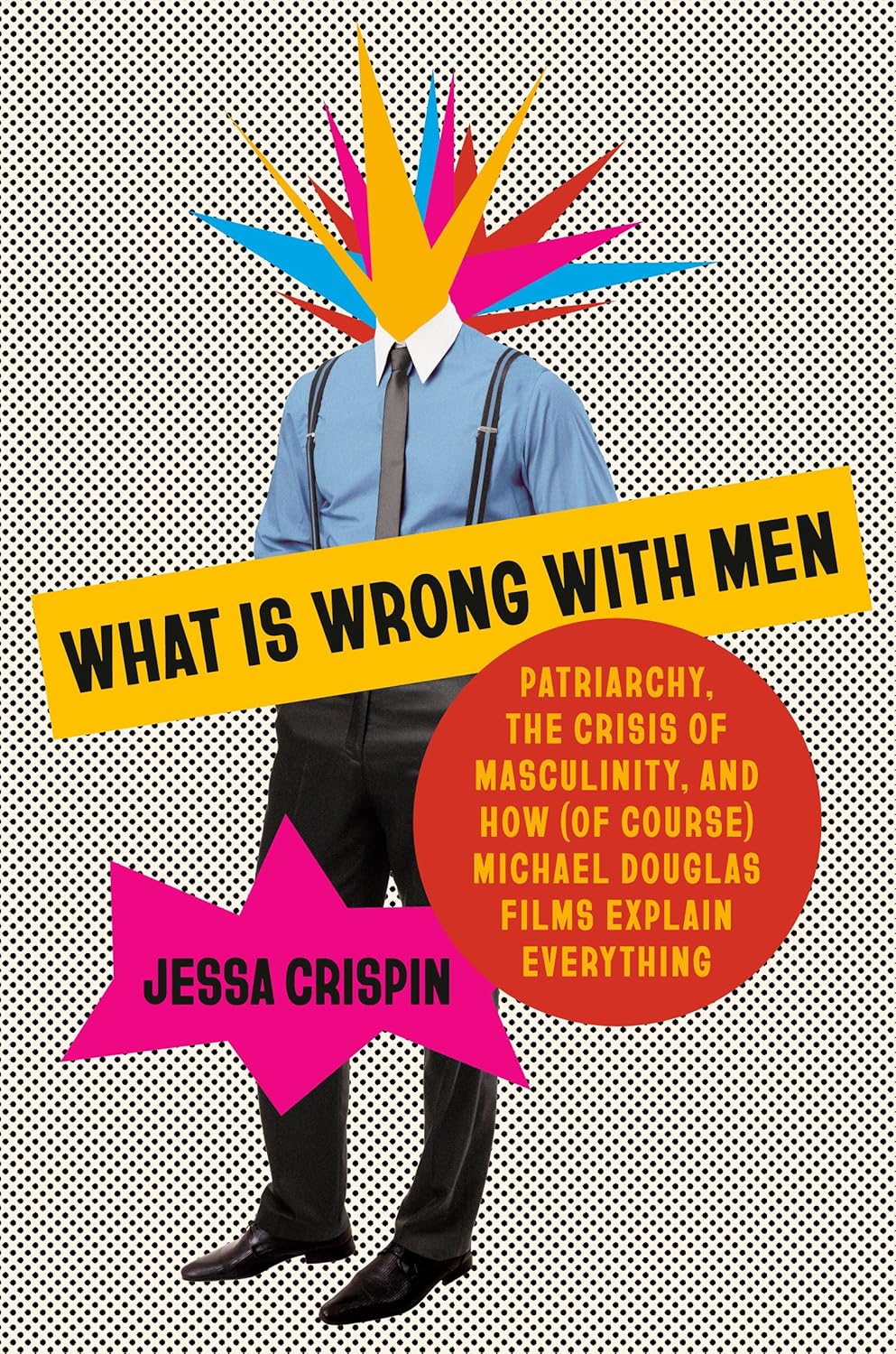
What Is Wrong with Men by Jessa Crispin & The Male Complaint by Simon James Copland
Although the tone of their commentaries differs, Jessa Crispin’s What Is Wrong with Men and Simon James Copland’s The Male Complaint are, more or less, examining the same thing: the workings of the patriarchy in general and what specifically has gone wrong, especially in recent times, with what Crispin refers to as ‘the tug of war’ between men and women.
Advances – October 2025
Advances, like many in the literary community, was shocked to hear that Meanjin would be publishing its final issue in December. Australia’s second longest-running literary publication was founded in 1940, in Brisbane, where meanjin derives from the Yuggera word for a place in the river where trade and cultural exchange has taken place for thousands of years.
‘Inconsolable Poem’
But it is the end of the world to River, who’s standing there
thrown by its incomprehensibilities as I play him R.E.M.,
which is otherwise what he needs, total sleep and churning dreams,
not the drums, distortion and irony, he does not feel fine,
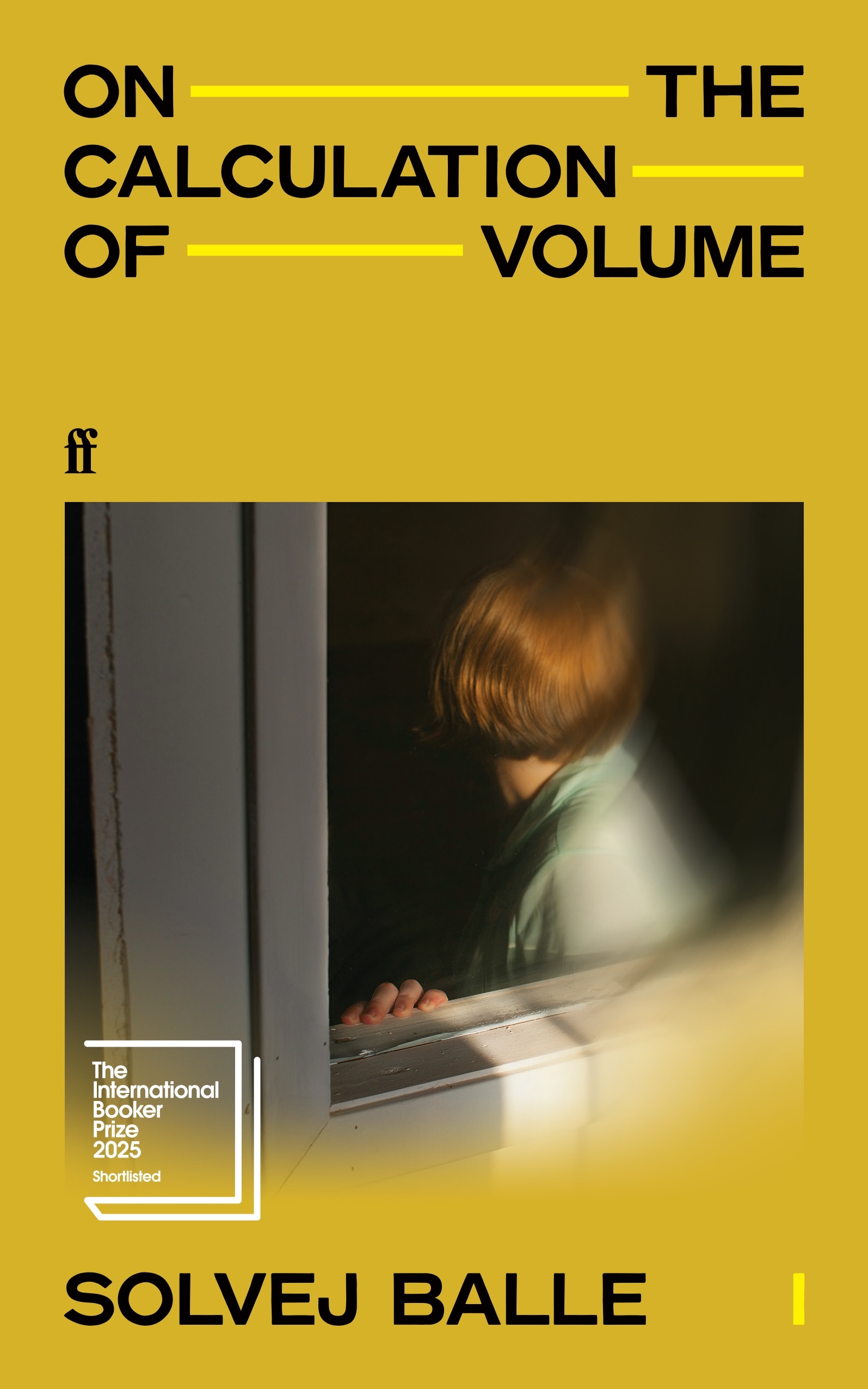
On the Calculation of Volume: Book I by Solvej Balle, translated from Danish by Barbara J. Haveland & On the Calculation of Volume: Book II by Solvej Balle, translated from Danish by Barbara J. Haveland
In a famous thought experiment based on the notion of ‘eternal return’, German philosopher Friedrich Nietzsche asked what it would be like to live the same life over and over again, for eternity. Nietzsche’s intention was to set a kind of test that encourages us to consider whether we are living our best life, the life that makes us happiest.
‘AI will kill us/save us: Hype and harm in the new economic order’
Ilya Sutskever was feeling agitated. As Chief Scientist at OpenAI, the company behind the AI models used in ChatGPT and in Microsoft’s products, he was a passionate advocate for the company’s mission of achieving Artificial General Intelligence (AGI) before anybody else. OpenAI defines AGI as ‘highly autonomous systems that outperform humans at most economically valuable work’, the development of which will benefit ‘all of humanity’. OpenAI’s mission, Sutskever believed, gave humanity its best chance of getting to AGI safely. But he worried about failing the mission. He fretted to his colleagues: What if bad actors came after its technology? What if they cut off his hand and slapped it on a palm scanner to access its secrets?
‘Alternate Names for Blak Mothers’
1. worlds inside brown eyes
2. a figure in a bed
3. stars in summer
4. women of clay
Electric Spark: The enigma of Muriel Spark by Frances Wilson
Some literary biographies are best known for their gestation – or malgestation. Some authors, we might go further, should have a big sign around their neck – noli me tangere. Muriel Spark is one of them. Her voluminous archive, lovingly tended all her life, is full of booby traps. Twice she went into battle with biographers: first Derek Stanford, a former lover; then Martin Stannard, whose biography of Evelyn Waugh she had admired.
ABR Arts
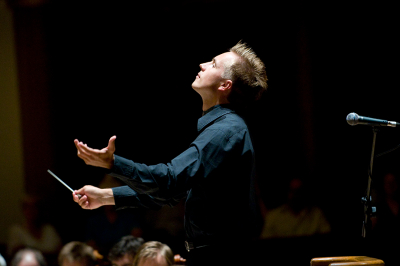
Bruckner and Strauss: A thoughtful performance of works by two Romantic masters
Letter from Santa Fe: 'Marriage of Figaro' and Wagner’s 'Die Walküre' at the Opera House
‘Waiting for Godot: Keanu Reeves and Alex Winter reunite for Beckett’s classic’
Book of the Week
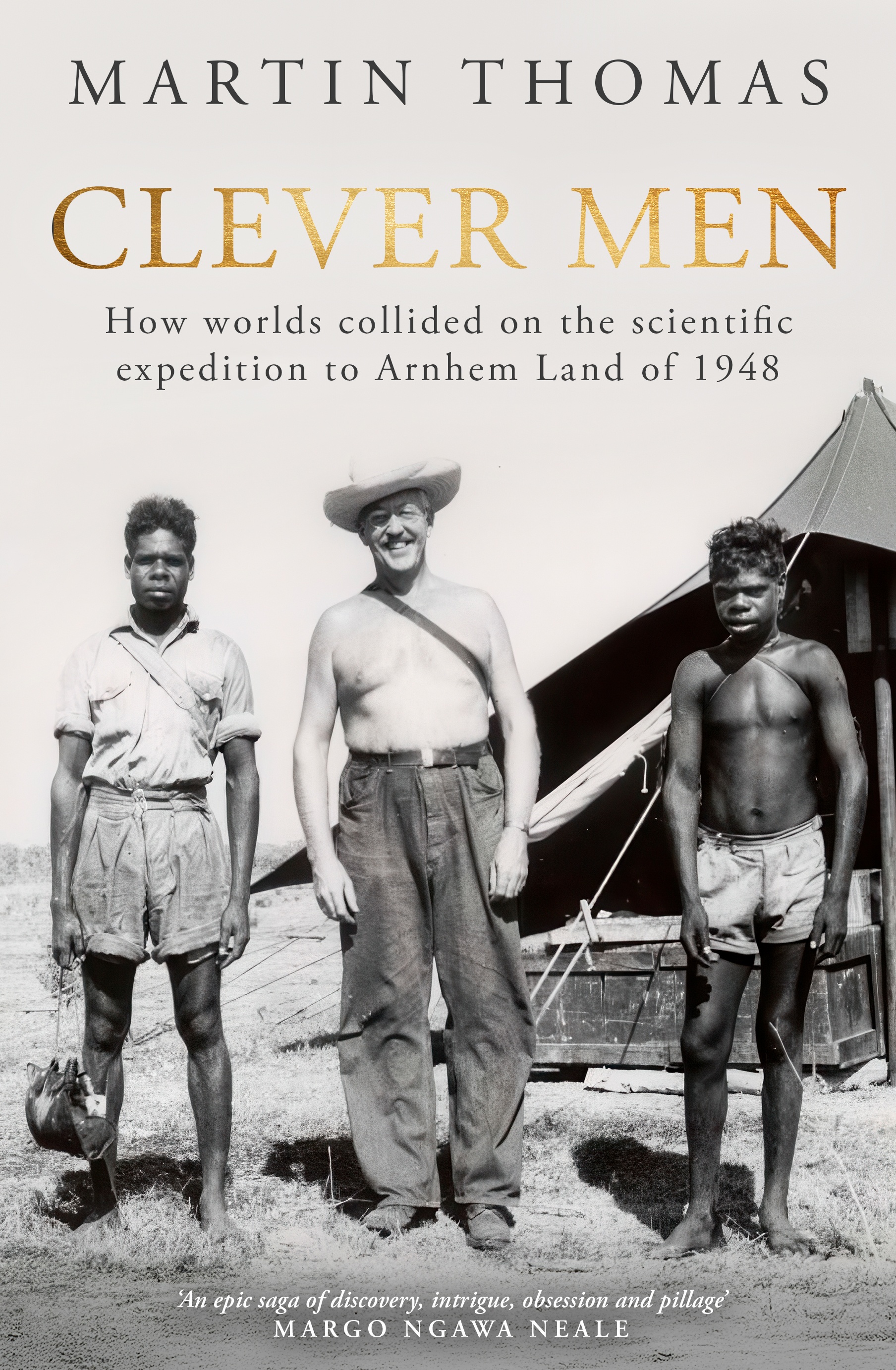
Clever Men: How worlds collided on the scientific expedition to Arnhem Land of 1948 by Martin Thomas
Soon after the conclusion of the 1948 Arnhem Land expedition, its leader, Charles Pearcy Mountford, an ethnologist and filmmaker, was celebrated by the National Geographic Society, a key sponsor of the expedition, along with the Smithsonian Institution in Washington DC and the Commonwealth Department of Information. In presenting Mountford with the Franklin L. Burr Prize and praising his ‘outstanding leadership’, the Society effectively honoured his success in presenting himself as the leader of a team of scientists working together in pursuit of new frontiers of knowledge. But this presentation is best read as theatre. The expedition’s scientific achievements were middling at best and, behind the scenes, the turmoil and disagreement that had characterised the expedition continued to rage.
From the Archive
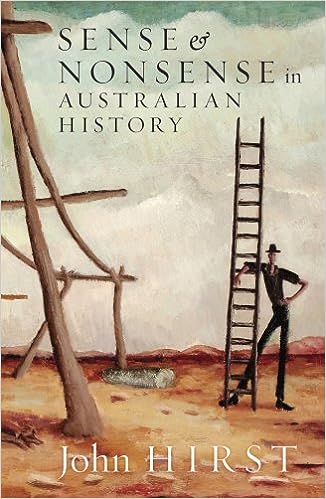
Sense and Nonsense in Australian History by John Hirst
John Hirst is a throwback. I don’t mean in his political views, but in his sense of his duty as an historian. He belongs to a tradition which, in this country, goes back to the 1870s and 1880s, when the Australian colonies began to feel the influence of German ideas about the right relationship between the humanities and the state. Today it is a tradition increasingly hard to maintain. Under this rubric, both historians and public servants are meant to offer critical and constructive argument about present events and the destiny of the nation. Henry Parkes was an historian of sorts, and he was happy to spend government money on the underpinnings of historical scholarship in Australia. The Historical Records of New South Wales was one obvious result, and that effort, in itself, involved close cooperation between bureaucrats and scholars. Alfred Deakin was likewise a man of considerable scholarship (and more sophisticated than Parkes), whose reading shaped his ideas about national destiny, and who nourished a similar outlook at the bureaucratic level.