


Albanese’s ‘Australian Way’
Current Issue
- Events
- Book reviews
- Arts criticism
- Prizes & Fellowships
Sign Up For Our Newsletters
- Events
- Book reviews
- Arts criticism
- Prizes & Fellowships
Sign Up For Our Newsletters
Electric Spark: The enigma of Muriel Spark by Frances Wilson
Some literary biographies are best known for their gestation – or malgestation. Some authors, we might go further, should have a big sign around their neck – noli me tangere. Muriel Spark is one of them. Her voluminous archive, lovingly tended all her life, is full of booby traps. Twice she went into battle with biographers: first Derek Stanford, a former lover; then Martin Stannard, whose biography of Evelyn Waugh she had admired.
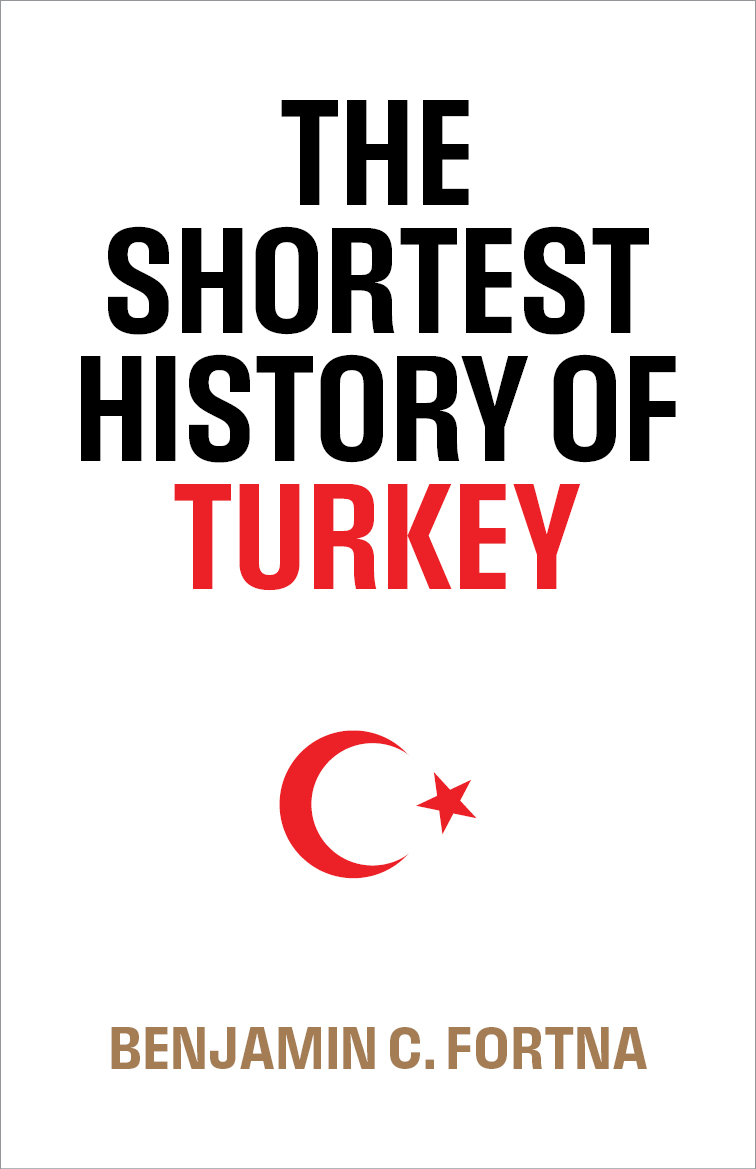
The Shortest History of Turkey by Benjamin C. Fortna
Can a ‘shortest history’ of Turkey, including the expansive history of the Ottoman Empire, work? As well as covering imperial grandeur, it must address complex and sensitive issues such as the Kurdish conflict, the Armenian genocide, Islamism, slavery, and autocracy. Benjamin C. Fortna, a Middle Eastern historian, successfully combines sympathy and interest in Turkey with a candid examination, including of darker aspects of its past.
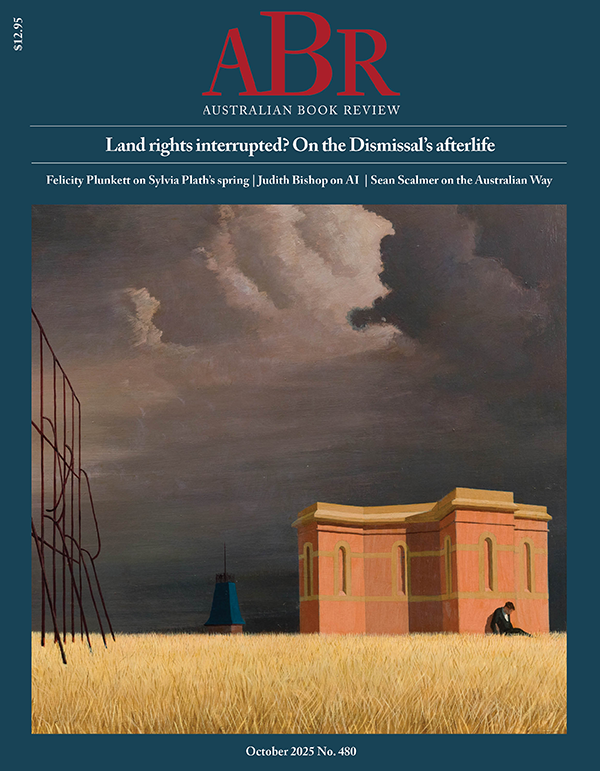
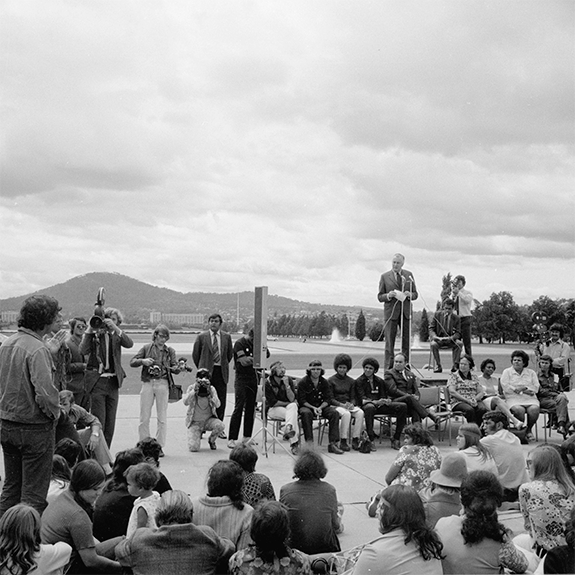
‘Albanese’s ‘Australian Way’: The rise of ‘progressive patriotism’ and its complex past’
‘To the victor belongs the spoils.’ The adage is attributed to William Macy, New York senator and defender of Jacksonian democracy. The aftermath of victory allows one to frame significance, settle scores, and proclaim lessons that will justify and guide a new government.
‘Weather’
These days, evenings are heavy
with clouds that refuse to crack, to open
a window is let in the night
creatures, which flutter and tumble
into the glow of a phone
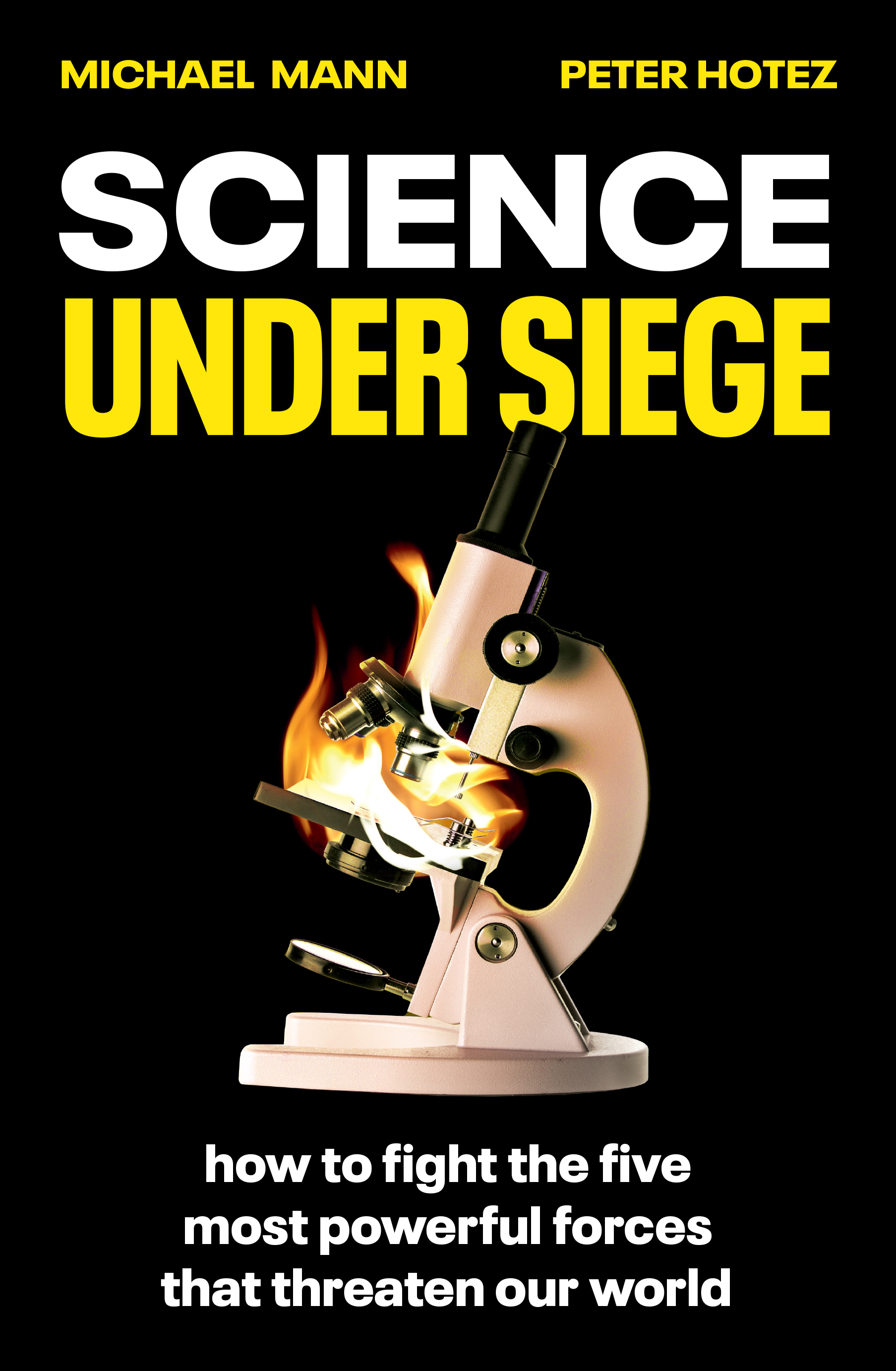
Science Under Siege: How to fight the five most powerful forces that threaten our world by Michael Mann and Peter Hotez
Two distinguished professors have joined forces to write an impassioned book about the recent, concerted attacks on science. While they both live and work in the United States, where what they describe as the ‘forces of darkness’ are most active and influential, the problem they describe is truly global. Mann is a celebrated climate scientist who has been a leading voice in the field since the 1980s, while Hotez is a virologist who became involved in the public debate about the Covid-19 pandemic. The central argument of the book is that we face existential crises in both human health and the health of our planet. While the best hope of successfully tackling these challenges relies on science, there is now ‘politically and ideologically motivated opposition to science’, threatening both our ability to advance understanding of these complex issues and, equally important, the freedom of scientists to communicate their understanding.
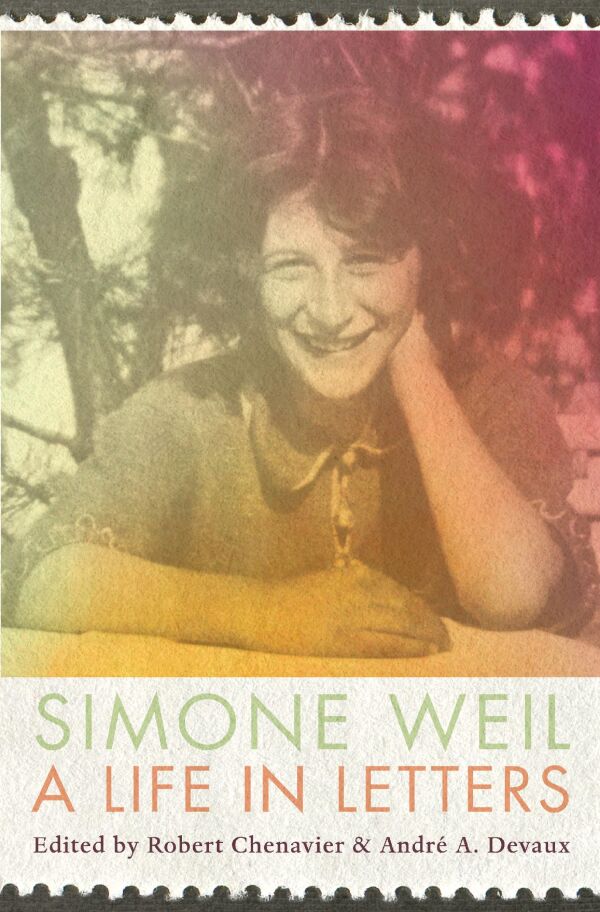
A Life in Letters by Robert Chevanier and André A. Devaux, translated from French by Nicholas Elliott
In his otherwise bleak 1963 novel The Spy Who Came in from the Cold, John le Carré lets himself have a little fun with the character of Elizabeth Gold. She is an idealistic Jewish woman in her mid-twenties who works in a small library in the London neighbourhood of Bayswater. She is also a member of the British Communist Party. For Liz, however, membership is less a matter of ideology than a token of her moral commitment to peace work and the alleviation of poverty. She is disdainful of her local branch, with its petty ambitions to be ‘a decent little club, nice and revolutionary and no fuss’ – unlike her comrades in the German Democratic Republic (GDR), whose determined struggle against the militarism and decadence of the capitalist West she admires from afar.
Our Story: Aboriginal Chinese people in Australia edited by Zhou Xiaoping
It is deeply sobering to be writing about the depth of the history of multicultural Australia only days after rallies against immigration have been held and in the midst of a palpable and disturbing negative response to non-white immigration. There are echoes of the shameful twentieth-century White Australia policy. Far from being a recent phenomenon, multiculturalism has been an integral aspect of Australian society since European settlement in the late eighteenth century. This collection, edited by the artist Zhou Xiaoping, is the outcome of a three-year research project and is the companion monograph for Our Story: Aboriginal Chinese people in Australia, a free, ground-breaking exhibition currently at the National Museum of Australia in Canberra that will run until late January 2026.
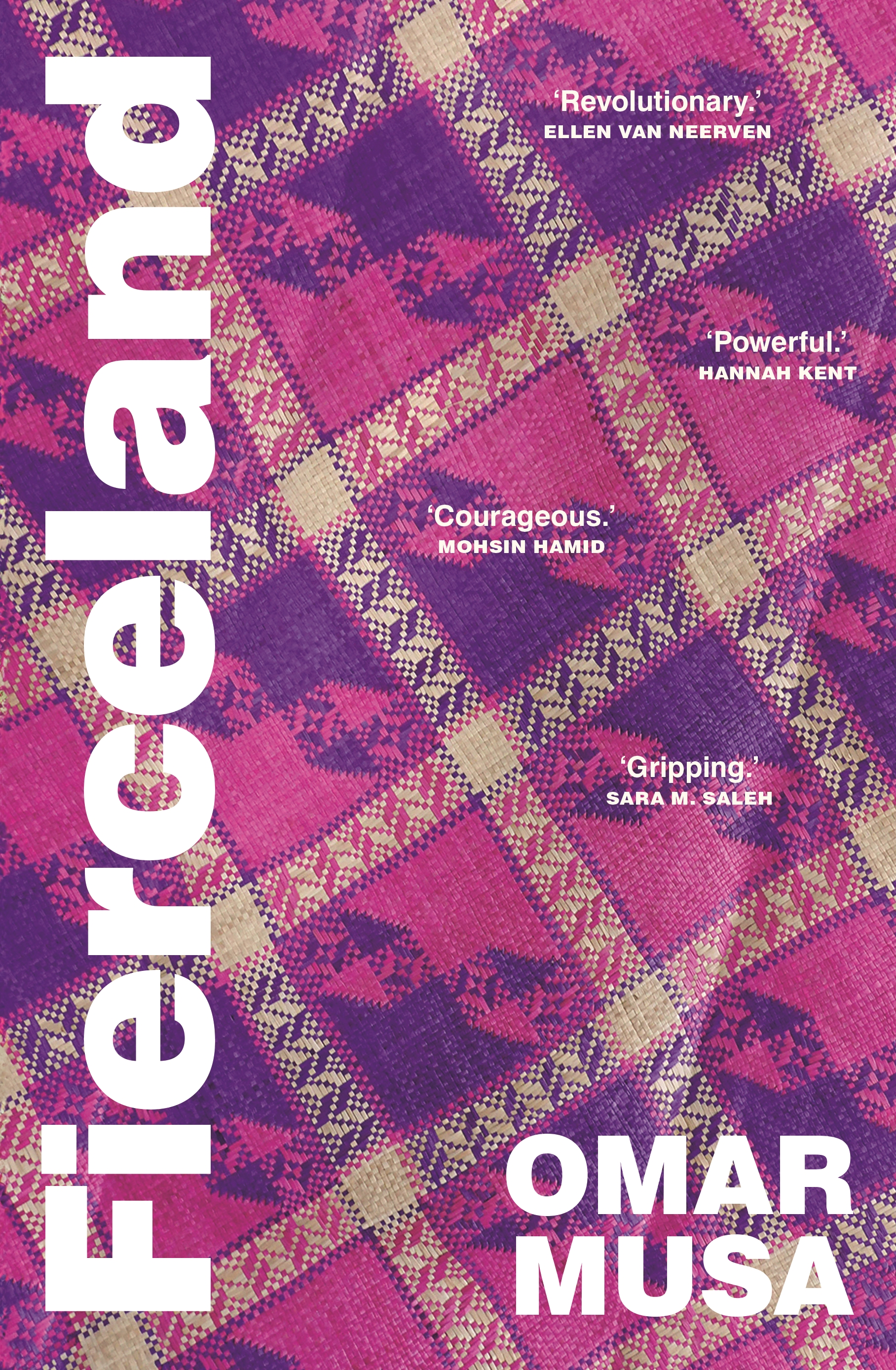
Fierceland by Omar Musa
Omar Musa’s first novel, Here Come the Dogs (2014), is a rousing dramatisation of the combustible sense of displacement and dissatisfaction simmering at the underrepresented margins of Australian life. Its protagonists are singular and compelling: each is tender and violent, hopeful and despairing, pitiful and triumphant. They all possess a uniquely hybrid identity, and each is searching for something that is always out of reach.
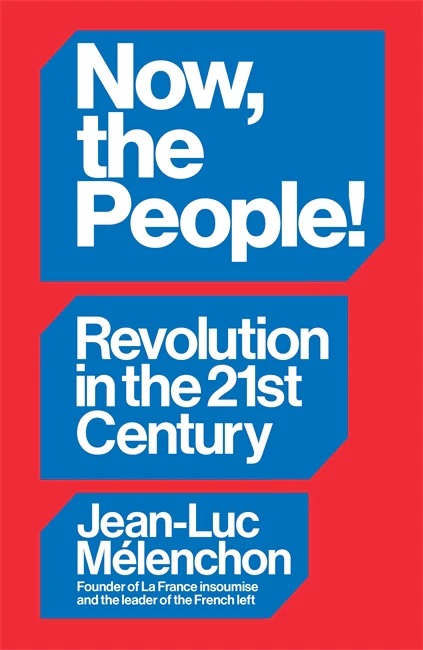
Now, the People!: Revolution in the twenty-first century by Jean-Luc Mélenchon, translated from French by David Broder
Jean-Luc Mélenchon is famous in France for his booming eloquence, his rich vocabulary, and his deep knowledge of history and politics. The firebrand orator was born in 1951 in Tangier, Morocco, to parents of Spanish and Sicilian descent, then moved to France with his mother in 1962. After a degree in philosophy and languages he was a schoolteacher before becoming a political organiser and elected politician, notably from inner-city Marseille.
ABR Arts
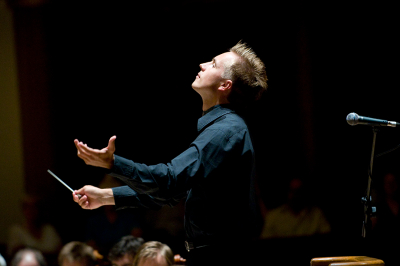
Bruckner and Strauss: A thoughtful performance of works by two Romantic masters
Letter from Santa Fe: 'Marriage of Figaro' and Wagner’s 'Die Walküre' at the Opera House
‘Waiting for Godot: Keanu Reeves and Alex Winter reunite for Beckett’s classic’
Book of the Week
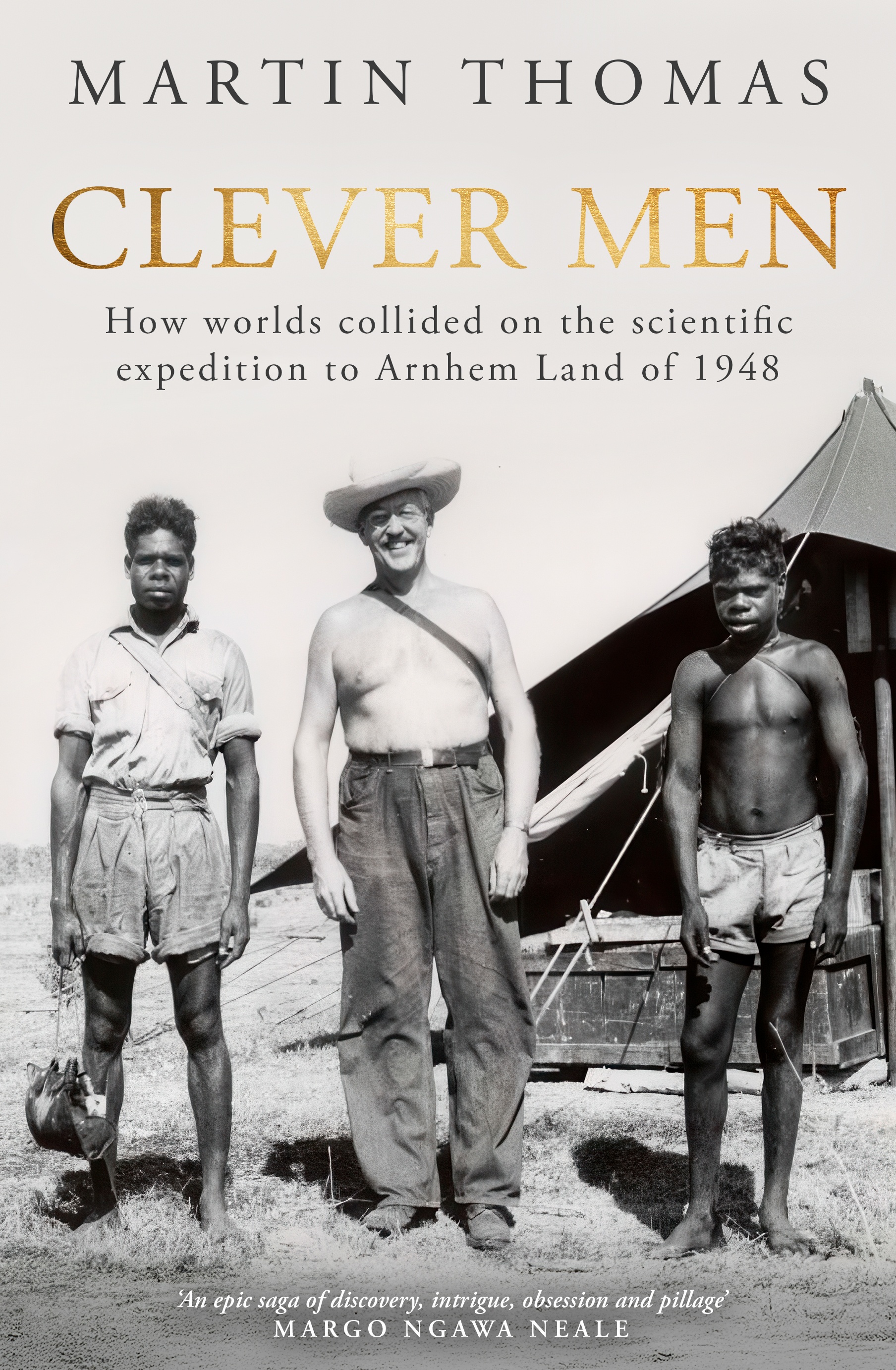
Clever Men: How worlds collided on the scientific expedition to Arnhem Land of 1948 by Martin Thomas
Soon after the conclusion of the 1948 Arnhem Land expedition, its leader, Charles Pearcy Mountford, an ethnologist and filmmaker, was celebrated by the National Geographic Society, a key sponsor of the expedition, along with the Smithsonian Institution in Washington DC and the Commonwealth Department of Information. In presenting Mountford with the Franklin L. Burr Prize and praising his ‘outstanding leadership’, the Society effectively honoured his success in presenting himself as the leader of a team of scientists working together in pursuit of new frontiers of knowledge. But this presentation is best read as theatre. The expedition’s scientific achievements were middling at best and, behind the scenes, the turmoil and disagreement that had characterised the expedition continued to rage.
From the Archive
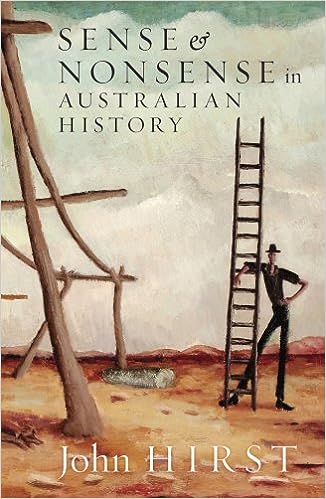
Sense and Nonsense in Australian History by John Hirst
John Hirst is a throwback. I don’t mean in his political views, but in his sense of his duty as an historian. He belongs to a tradition which, in this country, goes back to the 1870s and 1880s, when the Australian colonies began to feel the influence of German ideas about the right relationship between the humanities and the state. Today it is a tradition increasingly hard to maintain. Under this rubric, both historians and public servants are meant to offer critical and constructive argument about present events and the destiny of the nation. Henry Parkes was an historian of sorts, and he was happy to spend government money on the underpinnings of historical scholarship in Australia. The Historical Records of New South Wales was one obvious result, and that effort, in itself, involved close cooperation between bureaucrats and scholars. Alfred Deakin was likewise a man of considerable scholarship (and more sophisticated than Parkes), whose reading shaped his ideas about national destiny, and who nourished a similar outlook at the bureaucratic level.