

Albanese’s ‘Australian Way’
Current Issue
- Events
- Book reviews
- Arts criticism
- Prizes & Fellowships
Sign Up For Our Newsletters
- Events
- Book reviews
- Arts criticism
- Prizes & Fellowships
Sign Up For Our Newsletters
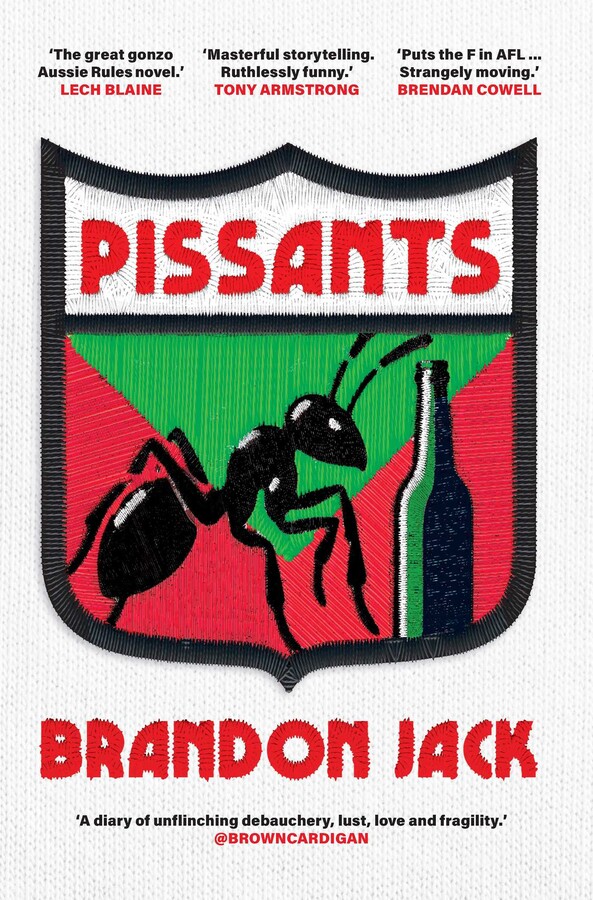
Pissants by Brandon Jack
In The Season, Helen Garner describes a photograph of Australian Football League player Charlie Curnow celebrating a goal: ‘It’s Homeric: all the ugly brutality of a raging Achilles, but also this strange and splendid beauty.’ There is a mythic image in Australian culture of the AFL player doing battle on the football oval with the strength of Hercules or the wit of Odysseus. Brandon Jack’s Pissants, his first novel, is an inversion of this mythopoeia; it is an exposé of football culture, the false pluralism of Australian masculinity, and a deranged form of identity that runs through ‘the club’. It shows the average life of a footballer at the fringes of a team list. Jack, having played for the AFL’s Sydney Swans from 2013 to 2017, has firsthand experience of the (in)famous ‘Bloods Culture’ – one built on a mantra of self-sacrifice, discipline, and unity – and this experience shows throughout the novel.
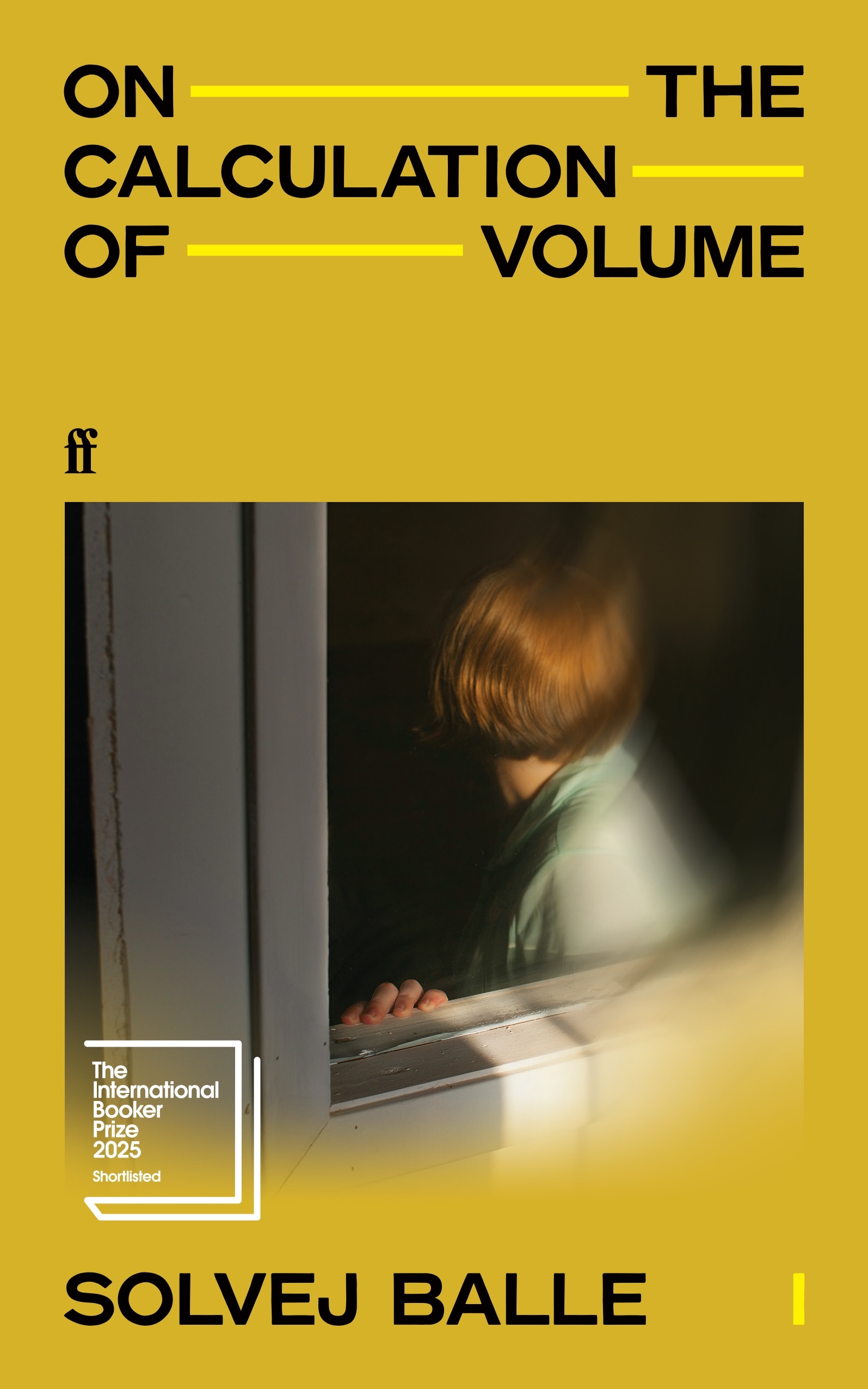
On the Calculation of Volume: Book I by Solvej Balle, translated from Danish by Barbara J. Haveland & On the Calculation of Volume: Book II by Solvej Balle, translated from Danish by Barbara J. Haveland
In a famous thought experiment based on the notion of ‘eternal return’, German philosopher Friedrich Nietzsche asked what it would be like to live the same life over and over again, for eternity. Nietzsche’s intention was to set a kind of test that encourages us to consider whether we are living our best life, the life that makes us happiest.
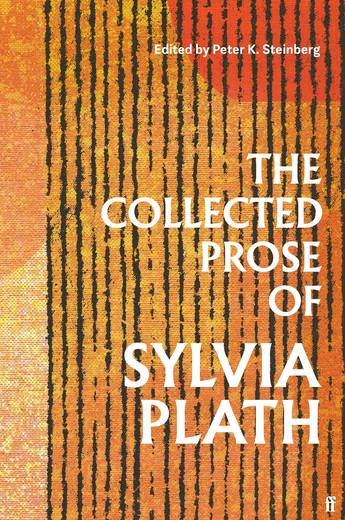
‘Archives and Hives: Three books which tell of Sylvia Plath’s spring’
For seven years after her 1963 burial, Sylvia Plath lay in an unmarked grave near St Thomas the Apostle Church in Heptonstall, West Yorkshire. The gravestone, when it came, bore her birth and married names, Sylvia Plath Hughes, the years of her birth and death, and a line from Wu Cheng-en’s sixteenth-century novel Monkey King:Journey to the West: ‘Even amidst fierce flames, the golden lotus can be planted.’
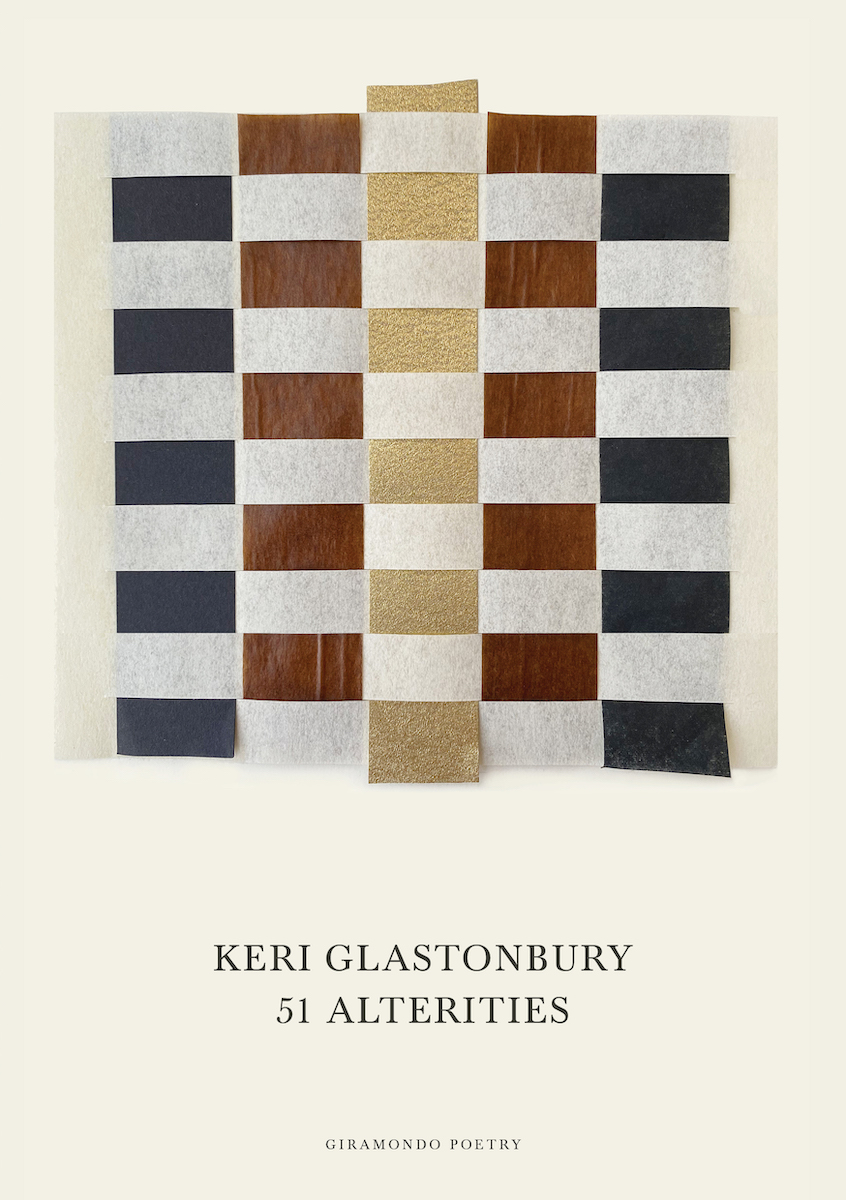
51 Alterities by Keri Glastonbury
The title of Keri Glastonbury’s latest collection of poems, 51 Alterities, evokes the title of 81 Austerities (2012) by the English poet Sam Riviere. Glastonbury’s collection is, according to its author, ‘offered as a loose “antipodean” adaptation’ of 81 Austerities, a collection that was written ‘in response to the impact of austerity measures on the arts and as a provocation on poetry as a contemporary media in the internet age’. Post-internet poetry, taking on as it does the syntax and lexis of internet discourse (especially, but not wholly, that used in social media), has become a dominant style in contemporary Anglophone poetry. When 81 Austerities was reviewed by The Daily Telegraph the headline was ‘Poetry for the Facebook Age’. Such a caption now seems laughably dated, and perhaps a little naïve, suggesting something of the dangers of writing post-internet poetry. A decade is a long time in cyberspace.
Walking Sydney: Fifteen walks with a city’s writers by Belinda Castles
During the walk she takes with Michelle de Kretser along the Cooks River, the bit that snakes between Hurlstone Park and Tempe, Belinda Castles, the author of Walking Sydney, muses on the impact of Sydney’s geography. ‘On the footpath-climb to skirt the golf course,’ she writes, ‘the village-like nature of Sydney makes itself felt, the way suburbs are enclosed and cut off by ridges and valleys, cliffs and rivers, the tentacles of the harbour. A city’s form has an effect on thinking and ways of being.’
‘Weather’
These days, evenings are heavy
with clouds that refuse to crack, to open
a window is let in the night
creatures, which flutter and tumble
into the glow of a phone
Advances – October 2025
Advances, like many in the literary community, was shocked to hear that Meanjin would be publishing its final issue in December. Australia’s second longest-running literary publication was founded in 1940, in Brisbane, where meanjin derives from the Yuggera word for a place in the river where trade and cultural exchange has taken place for thousands of years.
Apple in China: The capture of the world’s greatest company by Patrick McGee
Apple is one of the world’s largest companies. Its market value reached $3 trillion in January 2022, having grown by more than $700 million per day since August 2011 when Tim Cook took over as Chief Executive Officer after an ailing Steve Jobs resigned. Apple began with Jobs and Steve Wozniak ‘tinkering in a garage’. Iconic products followed including the Mac, the iMac, the iPod, the iPad and, most successful of all, the iPhone. An early slogan aimed to align Apple with ‘the crazy ones. The misfits. The rebels. The troublemakers.’ For a company experiencing huge growth, that image was often at odds with the day-to-day commercial reality.
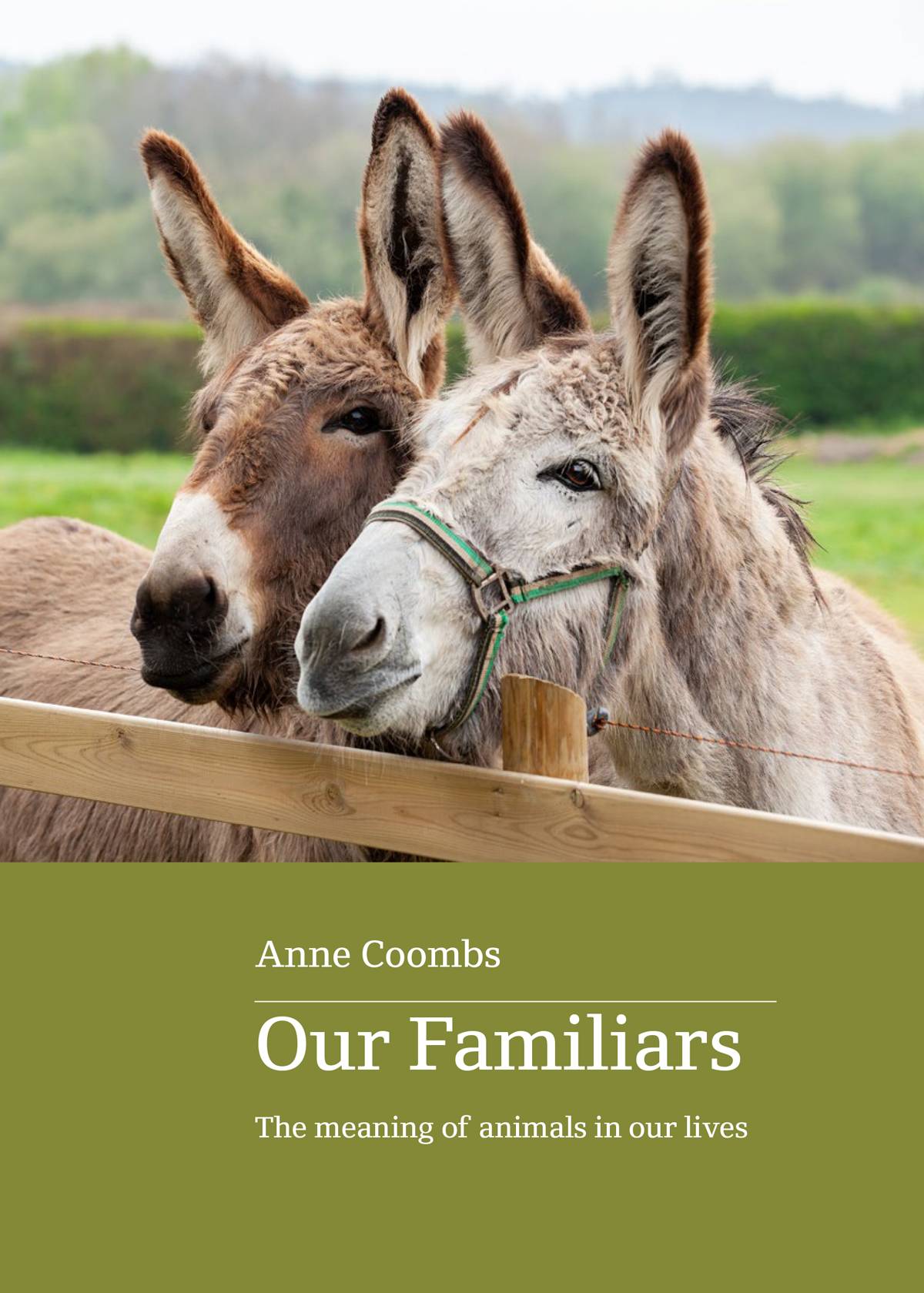
Our Familiars: The meaning of animals in our lives by Anne Coombs
The unbelievable lacework of it all – the patterns and linkages, the flickerings of knowledge and mystery, the astonishing shapes – is what Anne Coombs’s Our Familiars: The meaning of animals in our lives explores. This is a family book; specifically, a multi-species family book. Intimacies made between bodies is the soil in which the work is grown. And it comes from a writer who spent a lifetime thinking about, writing for, and working towards companionship, co-operation, and the safety of others. It is a posthumous publication too; a work fed and raised by Coombs, but finished, edited, and carried into the world by Susan Varga, Anne’s partner of thirty-three years, and close friend Joyce Morgan. Coombs died in December 2021, not long after the Black Summer fires and the Covid-19 pandemic – a time when all our interdependencies were raging (as they continue to).
ABR Arts
Bruckner and Strauss: A thoughtful performance of works by two Romantic masters
Letter from Santa Fe: 'Marriage of Figaro' and Wagner’s 'Die Walküre' at the Opera House
‘Waiting for Godot: Keanu Reeves and Alex Winter reunite for Beckett’s classic’
Book of the Week
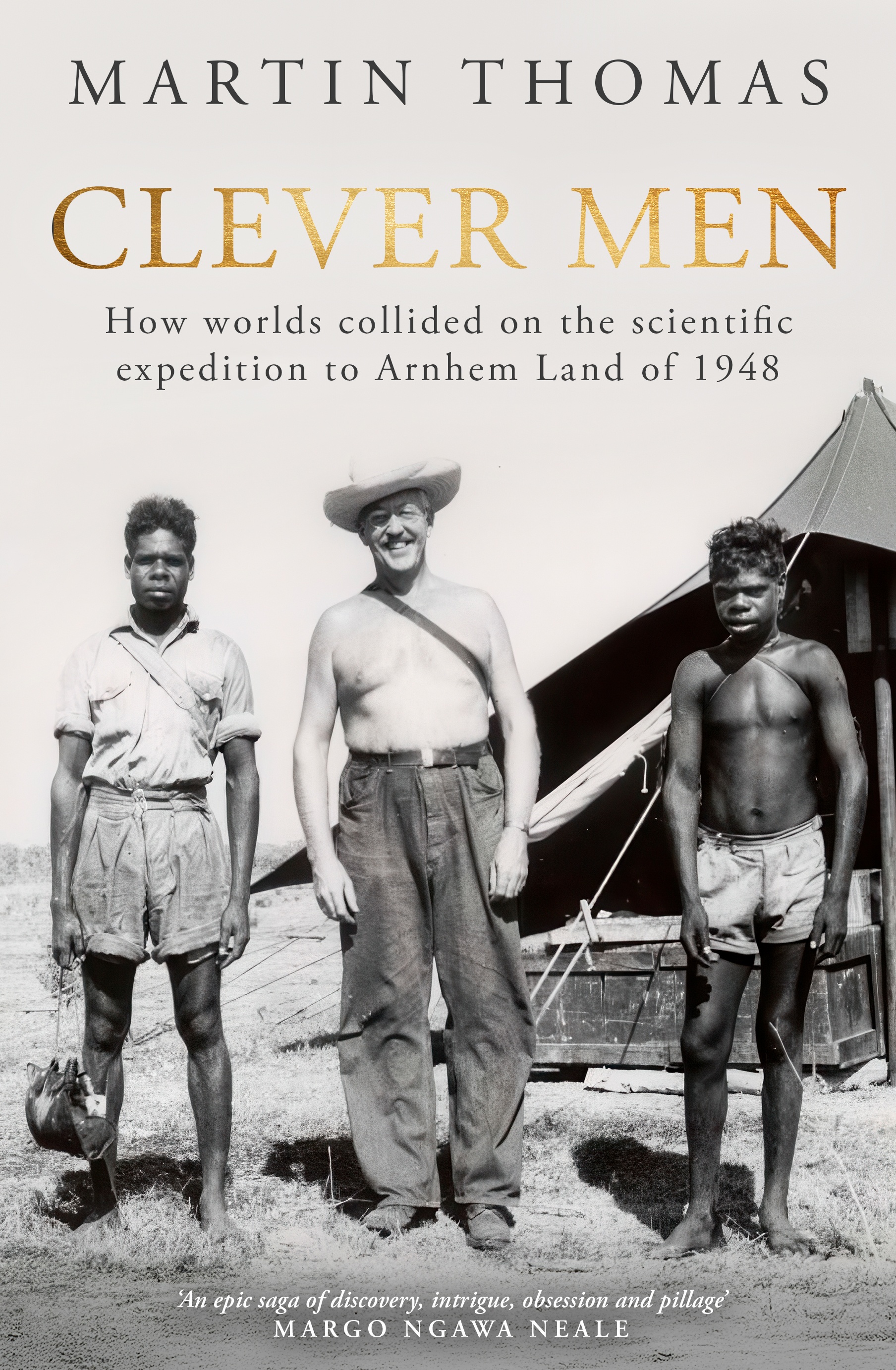
Clever Men: How worlds collided on the scientific expedition to Arnhem Land of 1948 by Martin Thomas
Soon after the conclusion of the 1948 Arnhem Land expedition, its leader, Charles Pearcy Mountford, an ethnologist and filmmaker, was celebrated by the National Geographic Society, a key sponsor of the expedition, along with the Smithsonian Institution in Washington DC and the Commonwealth Department of Information. In presenting Mountford with the Franklin L. Burr Prize and praising his ‘outstanding leadership’, the Society effectively honoured his success in presenting himself as the leader of a team of scientists working together in pursuit of new frontiers of knowledge. But this presentation is best read as theatre. The expedition’s scientific achievements were middling at best and, behind the scenes, the turmoil and disagreement that had characterised the expedition continued to rage.
From the Archive
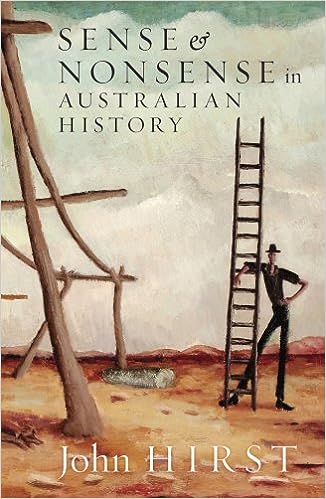
Sense and Nonsense in Australian History by John Hirst
John Hirst is a throwback. I don’t mean in his political views, but in his sense of his duty as an historian. He belongs to a tradition which, in this country, goes back to the 1870s and 1880s, when the Australian colonies began to feel the influence of German ideas about the right relationship between the humanities and the state. Today it is a tradition increasingly hard to maintain. Under this rubric, both historians and public servants are meant to offer critical and constructive argument about present events and the destiny of the nation. Henry Parkes was an historian of sorts, and he was happy to spend government money on the underpinnings of historical scholarship in Australia. The Historical Records of New South Wales was one obvious result, and that effort, in itself, involved close cooperation between bureaucrats and scholars. Alfred Deakin was likewise a man of considerable scholarship (and more sophisticated than Parkes), whose reading shaped his ideas about national destiny, and who nourished a similar outlook at the bureaucratic level.