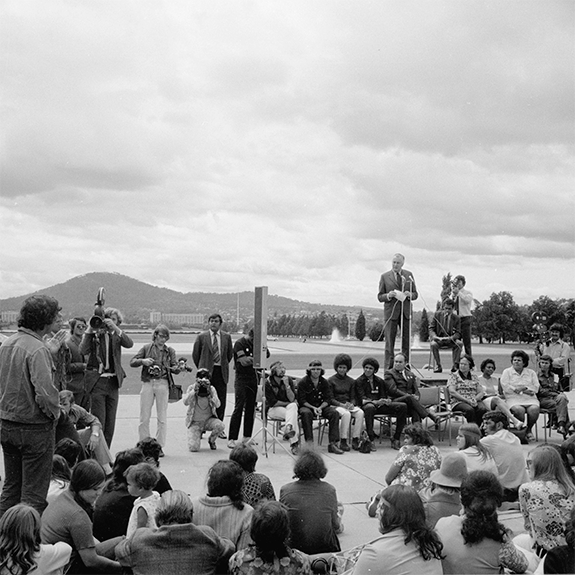


Albanese’s ‘Australian Way’
Current Issue
- Events
- Book reviews
- Arts criticism
- Prizes & Fellowships
Sign Up For Our Newsletters
- Events
- Book reviews
- Arts criticism
- Prizes & Fellowships
Sign Up For Our Newsletters
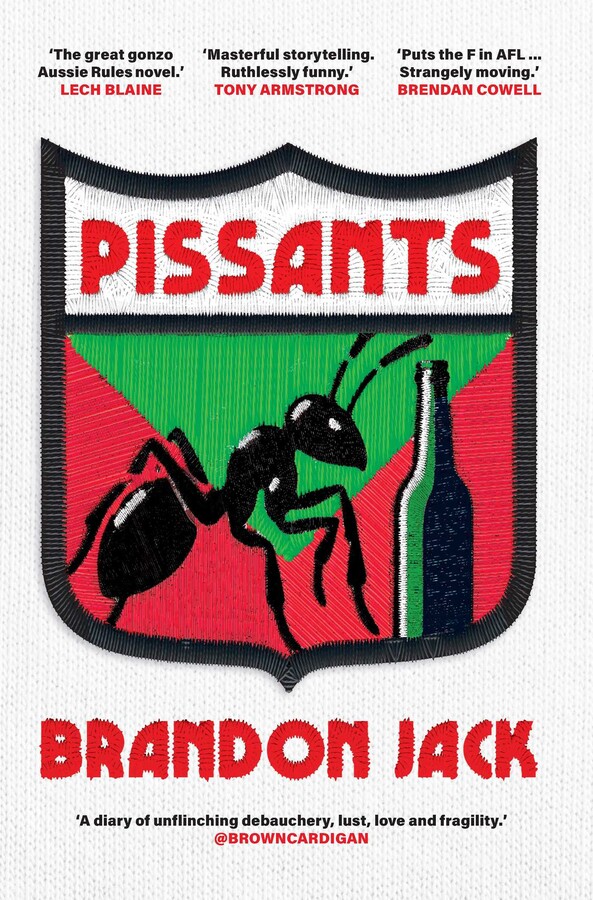
Pissants by Brandon Jack
In The Season, Helen Garner describes a photograph of Australian Football League player Charlie Curnow celebrating a goal: ‘It’s Homeric: all the ugly brutality of a raging Achilles, but also this strange and splendid beauty.’ There is a mythic image in Australian culture of the AFL player doing battle on the football oval with the strength of Hercules or the wit of Odysseus. Brandon Jack’s Pissants, his first novel, is an inversion of this mythopoeia; it is an exposé of football culture, the false pluralism of Australian masculinity, and a deranged form of identity that runs through ‘the club’. It shows the average life of a footballer at the fringes of a team list. Jack, having played for the AFL’s Sydney Swans from 2013 to 2017, has firsthand experience of the (in)famous ‘Bloods Culture’ – one built on a mantra of self-sacrifice, discipline, and unity – and this experience shows throughout the novel.
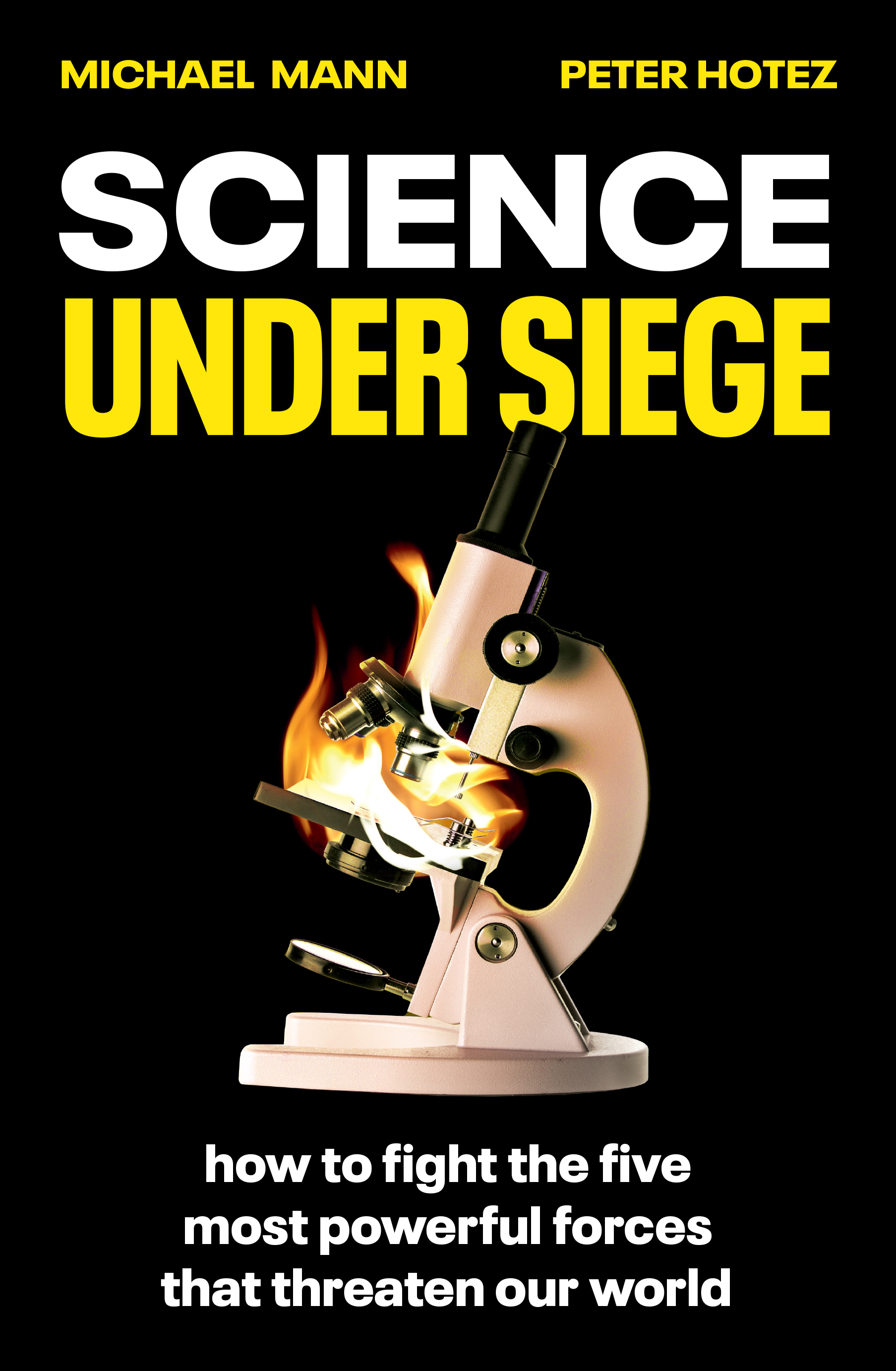
Science Under Siege: How to fight the five most powerful forces that threaten our world by Michael Mann and Peter Hotez
Two distinguished professors have joined forces to write an impassioned book about the recent, concerted attacks on science. While they both live and work in the United States, where what they describe as the ‘forces of darkness’ are most active and influential, the problem they describe is truly global. Mann is a celebrated climate scientist who has been a leading voice in the field since the 1980s, while Hotez is a virologist who became involved in the public debate about the Covid-19 pandemic. The central argument of the book is that we face existential crises in both human health and the health of our planet. While the best hope of successfully tackling these challenges relies on science, there is now ‘politically and ideologically motivated opposition to science’, threatening both our ability to advance understanding of these complex issues and, equally important, the freedom of scientists to communicate their understanding.
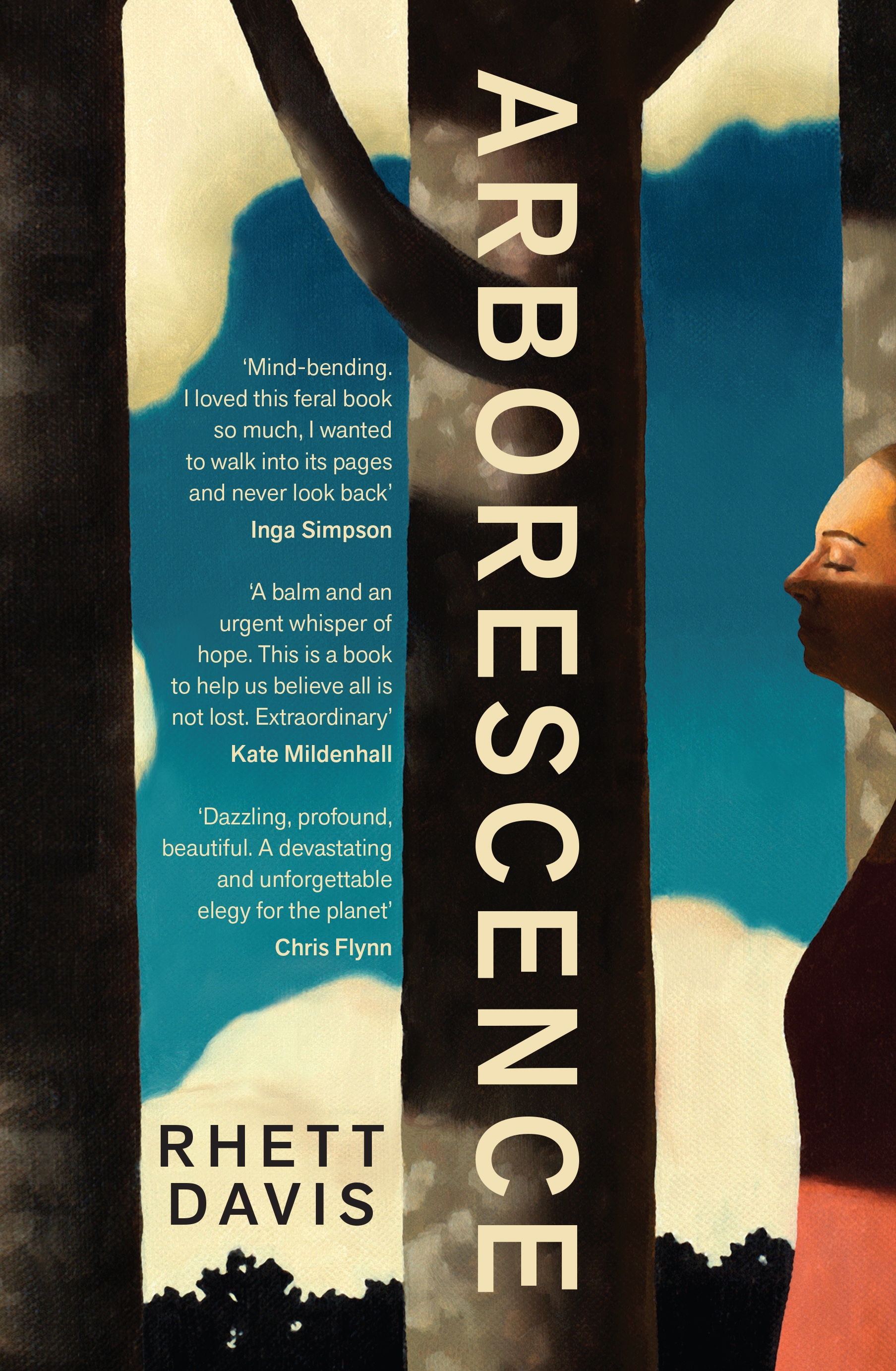
Arborescence by Rhett Davis
The death of the white male novelist, lately the subject of a fistful of literary think-pieces, has been greatly exaggerated. Yet it is a truth widely acknowledged that such authors now lack much of the cultural cachet that they once brazenly wielded. The challenge for these writers has been to transmute themselves into narrative subjects more palatable to the sensibilities of a shifting readership. Some continue to doggedly write self-adjacent fictions; others have willed a kind of metamorphosis, their subjectivities transposed or otherwise suppressed. Then there are those that try to do both. In the case of Rhett Davis’s Arborescence, this results in a novel with a striking elevator pitch: it is about people turning into trees.
Apple in China: The capture of the world’s greatest company by Patrick McGee
Apple is one of the world’s largest companies. Its market value reached $3 trillion in January 2022, having grown by more than $700 million per day since August 2011 when Tim Cook took over as Chief Executive Officer after an ailing Steve Jobs resigned. Apple began with Jobs and Steve Wozniak ‘tinkering in a garage’. Iconic products followed including the Mac, the iMac, the iPod, the iPad and, most successful of all, the iPhone. An early slogan aimed to align Apple with ‘the crazy ones. The misfits. The rebels. The troublemakers.’ For a company experiencing huge growth, that image was often at odds with the day-to-day commercial reality.
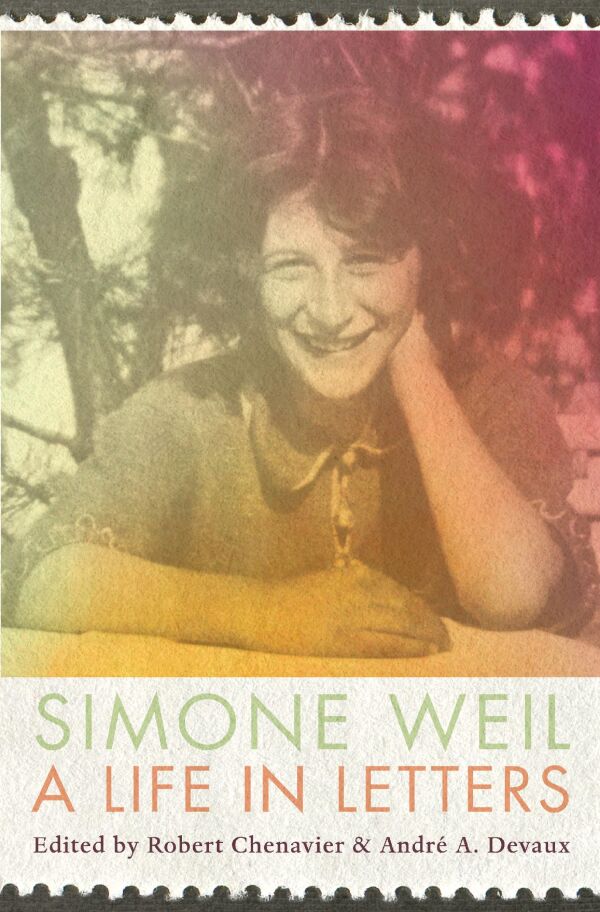
A Life in Letters by Robert Chevanier and André A. Devaux, translated from French by Nicholas Elliott
In his otherwise bleak 1963 novel The Spy Who Came in from the Cold, John le Carré lets himself have a little fun with the character of Elizabeth Gold. She is an idealistic Jewish woman in her mid-twenties who works in a small library in the London neighbourhood of Bayswater. She is also a member of the British Communist Party. For Liz, however, membership is less a matter of ideology than a token of her moral commitment to peace work and the alleviation of poverty. She is disdainful of her local branch, with its petty ambitions to be ‘a decent little club, nice and revolutionary and no fuss’ – unlike her comrades in the German Democratic Republic (GDR), whose determined struggle against the militarism and decadence of the capitalist West she admires from afar.
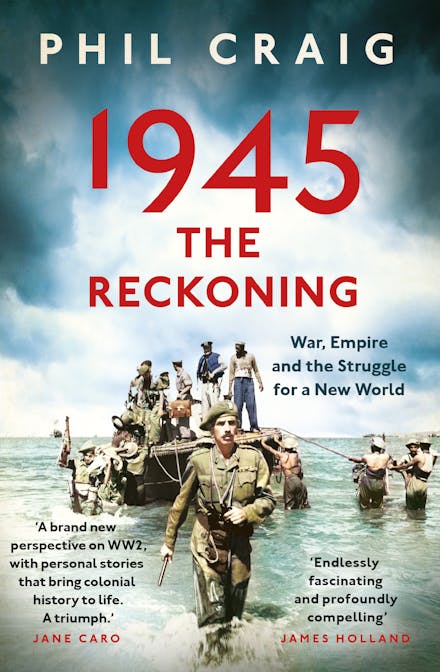
1945: The Reckoning: War, empire and the struggle for a new world by Phil Craig
A wise scholar once advised me against using absolutes in historical writing. The first reason is functional. When you resort to words such as ‘everyone’, ‘everything’, and ‘nobody’, you invite trouble; most of the time you can find an exception. The second reason is more important. The use of such words can betray an approach that packages the messy past too neatly, where there is little room for nuance and even less for uncertainty. Confidence doesn’t necessarily produce the best results.
The Sea in the Metro by Jayne Tuttle
Jayne Tuttle’s The Sea in the Metro is the third book in a trilogy of memoirs about living, working, and becoming a mother in Paris. Like Paris or Die (2019) and My Sweet Guillotine (2022), Tuttle’s latest book applies a sharp scalpel to her own psyche while playing with genre. She explores the brutal realities of giving birth and raising a toddler in a foreign city, the seemingly impossible task of balancing motherhood with paid work, the joys and hardships of striving to be a capital ‘W’ writer while copywriting for cash, and what family might look like in brittle, Parisian culture. Tuttle also examines the complex ramifications of a near-death experience and a hospital birthing trauma on her ongoing physical and mental health – and intimate relationships.
On Display: The story of Artbank, Australia’s most visible collection by Laura Couttie
This handsome book is a strange beast: half official report, half pitch to potential clients, half lavishly illustrated history of four decades of collecting Australian art. Clearly, this does not add up. Which is a pity, because Artbank is important to the current visibility, and popular success, of contemporary art in Australia.
‘Journey Beginning Things’
Suitcase red girl teenager together
New space time moving thataway
Farewell waving family people mindset
ABR Arts
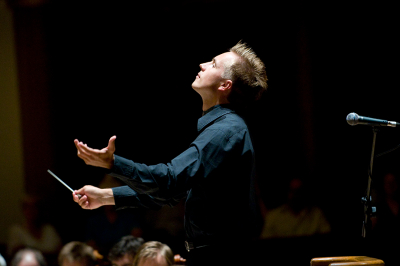
Bruckner and Strauss: A thoughtful performance of works by two Romantic masters
Letter from Santa Fe: 'Marriage of Figaro' and Wagner’s 'Die Walküre' at the Opera House
‘Waiting for Godot: Keanu Reeves and Alex Winter reunite for Beckett’s classic’
Book of the Week
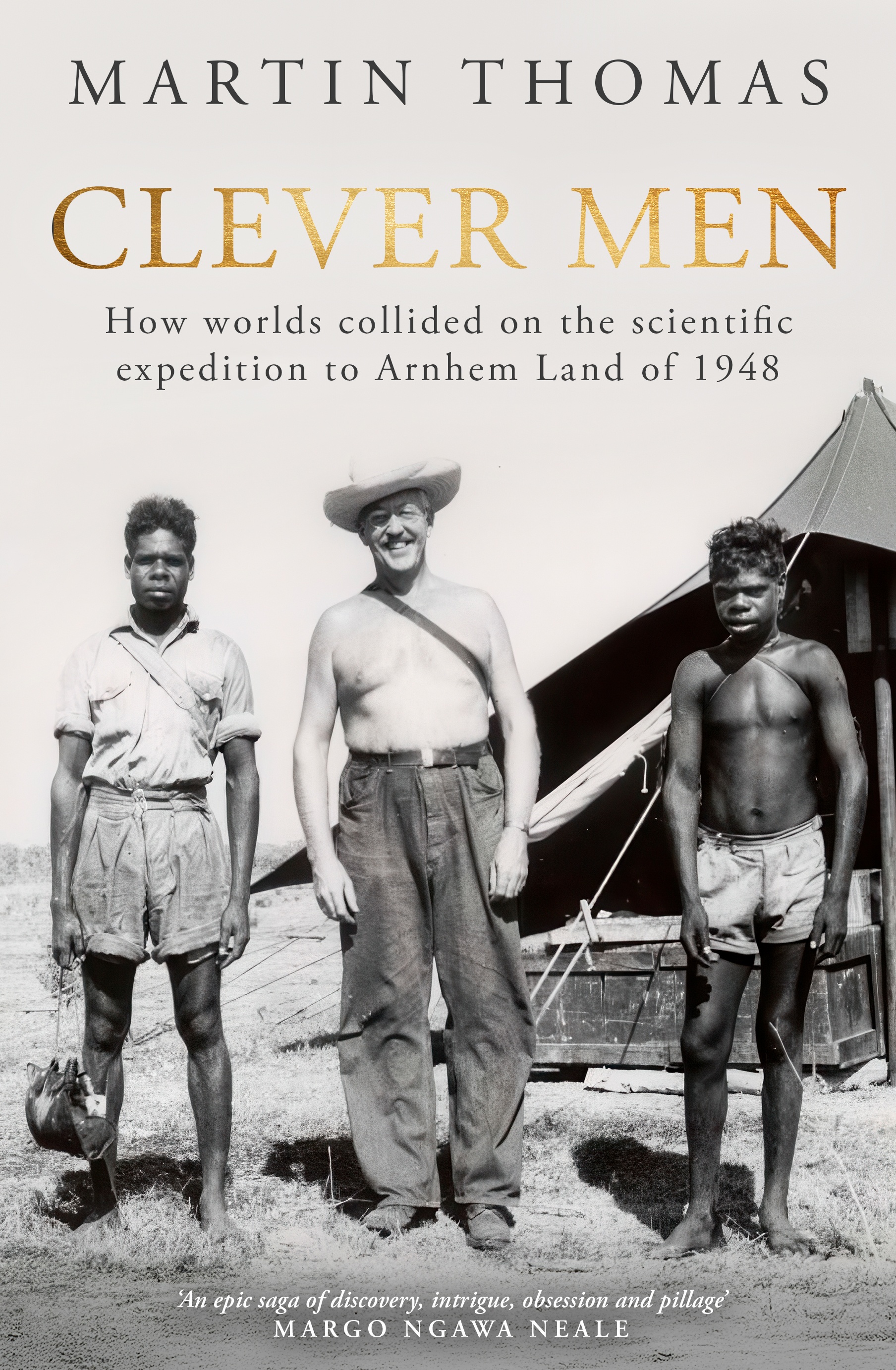
Clever Men: How worlds collided on the scientific expedition to Arnhem Land of 1948 by Martin Thomas
Soon after the conclusion of the 1948 Arnhem Land expedition, its leader, Charles Pearcy Mountford, an ethnologist and filmmaker, was celebrated by the National Geographic Society, a key sponsor of the expedition, along with the Smithsonian Institution in Washington DC and the Commonwealth Department of Information. In presenting Mountford with the Franklin L. Burr Prize and praising his ‘outstanding leadership’, the Society effectively honoured his success in presenting himself as the leader of a team of scientists working together in pursuit of new frontiers of knowledge. But this presentation is best read as theatre. The expedition’s scientific achievements were middling at best and, behind the scenes, the turmoil and disagreement that had characterised the expedition continued to rage.
From the Archive
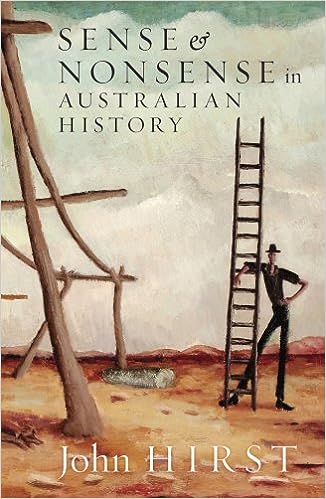
Sense and Nonsense in Australian History by John Hirst
John Hirst is a throwback. I don’t mean in his political views, but in his sense of his duty as an historian. He belongs to a tradition which, in this country, goes back to the 1870s and 1880s, when the Australian colonies began to feel the influence of German ideas about the right relationship between the humanities and the state. Today it is a tradition increasingly hard to maintain. Under this rubric, both historians and public servants are meant to offer critical and constructive argument about present events and the destiny of the nation. Henry Parkes was an historian of sorts, and he was happy to spend government money on the underpinnings of historical scholarship in Australia. The Historical Records of New South Wales was one obvious result, and that effort, in itself, involved close cooperation between bureaucrats and scholars. Alfred Deakin was likewise a man of considerable scholarship (and more sophisticated than Parkes), whose reading shaped his ideas about national destiny, and who nourished a similar outlook at the bureaucratic level.