


Albanese’s ‘Australian Way’
Current Issue
- Events
- Book reviews
- Arts criticism
- Prizes & Fellowships
Sign Up For Our Newsletters
- Events
- Book reviews
- Arts criticism
- Prizes & Fellowships
Sign Up For Our Newsletters
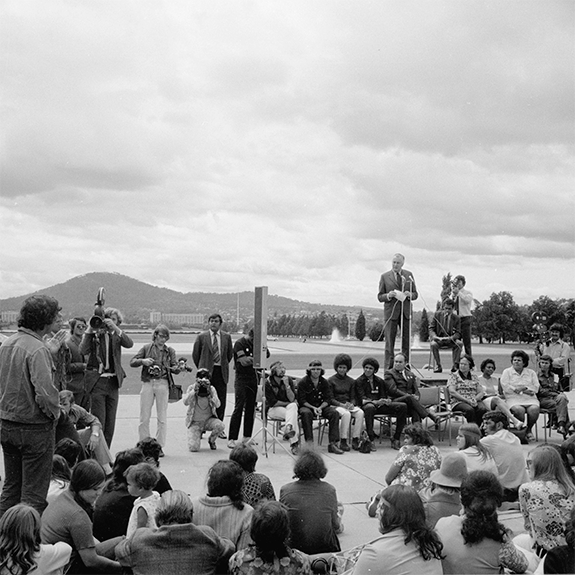
‘Albanese’s ‘Australian Way’: The rise of ‘progressive patriotism’ and its complex past’
‘To the victor belongs the spoils.’ The adage is attributed to William Macy, New York senator and defender of Jacksonian democracy. The aftermath of victory allows one to frame significance, settle scores, and proclaim lessons that will justify and guide a new government.
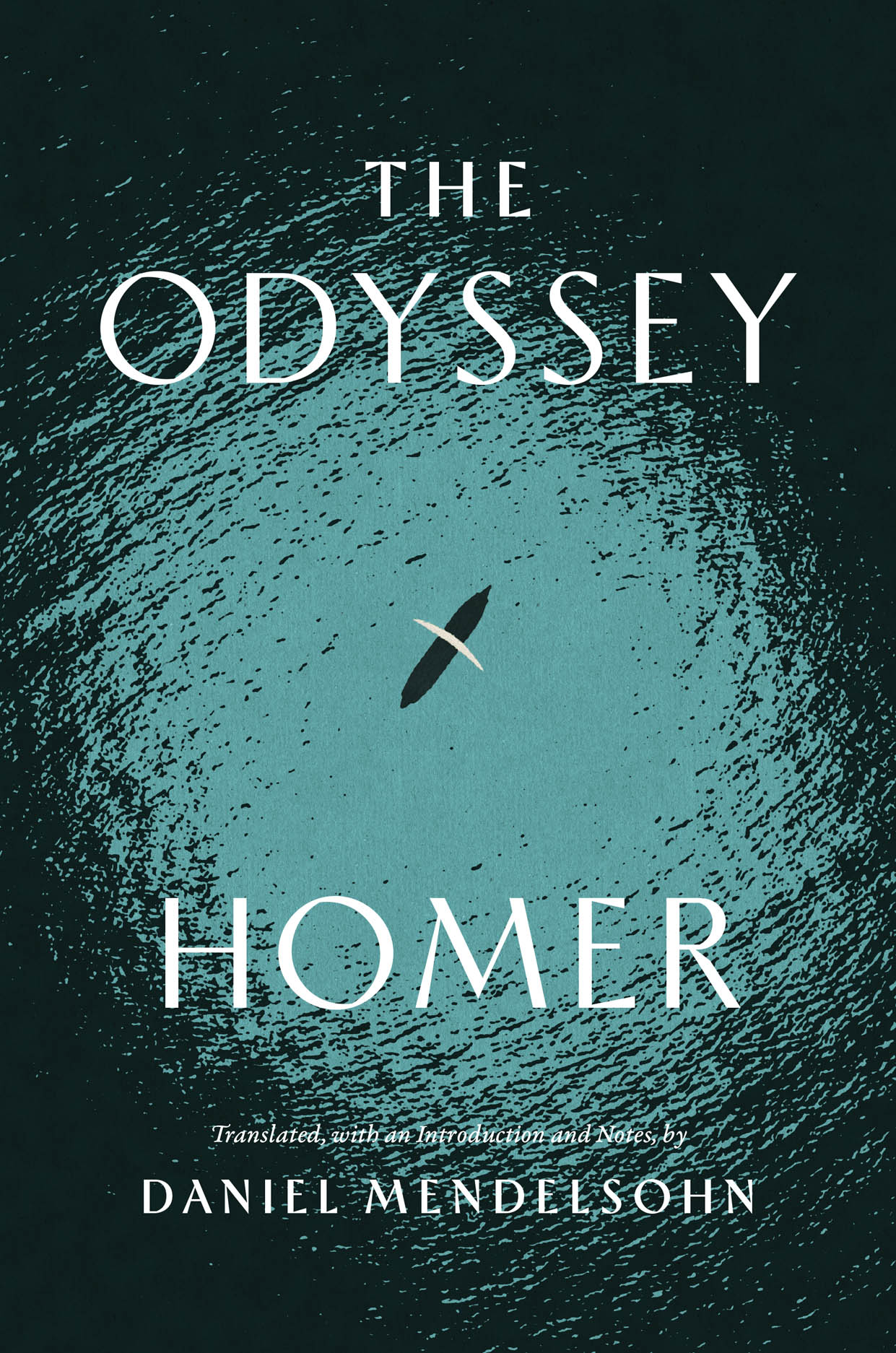
The Odyssey by Homer, translated from ancient Greek by Daniel Mendelsohn
After the horror of war, the difficulty of return – angry seas, lost comrades, plotters at home. Daniel Mendelsohn teaches at Bard College and writes for The New York Review of Books. His compelling new translation of the Odyssey acknowledges the themes of this story have been repeated over millennia: separation, trials, and reunion.
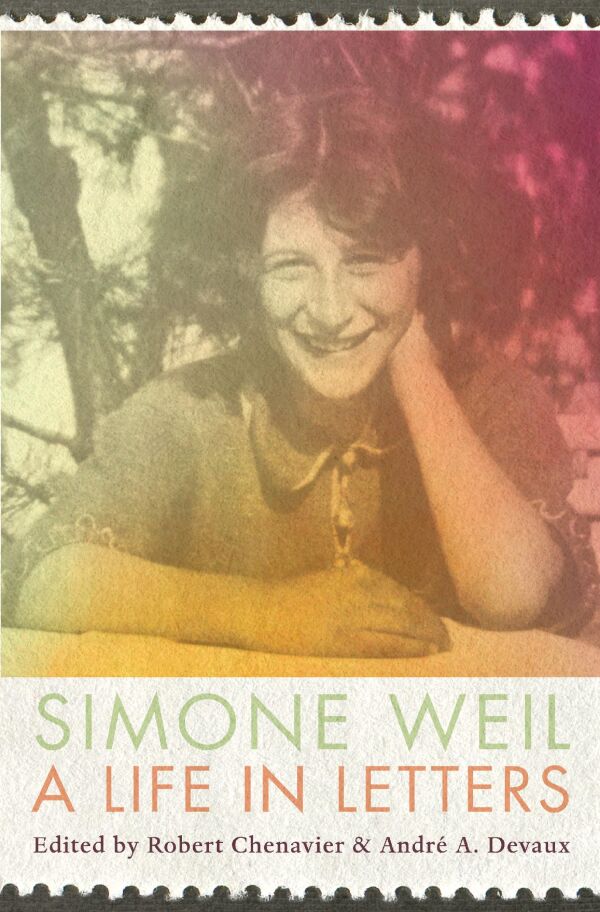
A Life in Letters by Robert Chevanier and André A. Devaux, translated from French by Nicholas Elliott
In his otherwise bleak 1963 novel The Spy Who Came in from the Cold, John le Carré lets himself have a little fun with the character of Elizabeth Gold. She is an idealistic Jewish woman in her mid-twenties who works in a small library in the London neighbourhood of Bayswater. She is also a member of the British Communist Party. For Liz, however, membership is less a matter of ideology than a token of her moral commitment to peace work and the alleviation of poverty. She is disdainful of her local branch, with its petty ambitions to be ‘a decent little club, nice and revolutionary and no fuss’ – unlike her comrades in the German Democratic Republic (GDR), whose determined struggle against the militarism and decadence of the capitalist West she admires from afar.
‘Alternate Names for Blak Mothers’
1. worlds inside brown eyes
2. a figure in a bed
3. stars in summer
4. women of clay
‘Questions for Mai: Joshua Reynolds’s portrait and the memory of Empire’
Zoom in. The most unusual detail in this painting is the left hand, with tattooed dots carefully spaced across its back and knuckles. The fingers themselves are poorly done. The thumb and pointer are folded into the figure’s thick cloth folds, but the other three digits lie on the material like tapered slugs. Today they might be held up as evidence of AI image generation – bad hands are the quickest tell. In the eighteenth century, to the initiated, bad hands were a sign that the work came from the studio of Sir Joshua Reynolds.
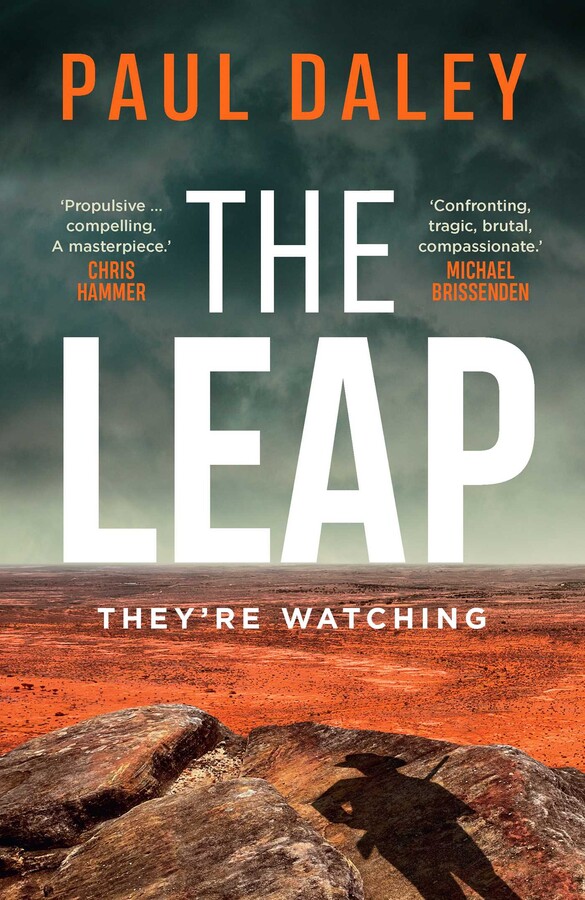
The Leap by Paul Daley
Who should we celebrate, or perhaps fault, for the publishing success of books labelled ‘outback noir’ in Australia over the past decade? Our starting point could be Jane Harper’s bestselling book The Dry (2016). The cornerstone of the genre for the author of The Leap, Paul Daley, is the seminal Kenneth Cook novel, Wake in Fright, first published in 1961. The longevity of the novel owes much to the 1971 feature film of the same name, directed by Ted Kotcheff, remembered for the infamous filming of a visceral Kangaroo shoot and the actor Donald Pleasence playing a most unpleasant lech. The Wolf Creek film franchise also deserves an honourable mention, along with its larrikin psychopathic killer, Mick Taylor, if not the real-life mass murderer, Ivan Milat himself.
Electric Spark: The enigma of Muriel Spark by Frances Wilson
Some literary biographies are best known for their gestation – or malgestation. Some authors, we might go further, should have a big sign around their neck – noli me tangere. Muriel Spark is one of them. Her voluminous archive, lovingly tended all her life, is full of booby traps. Twice she went into battle with biographers: first Derek Stanford, a former lover; then Martin Stannard, whose biography of Evelyn Waugh she had admired.
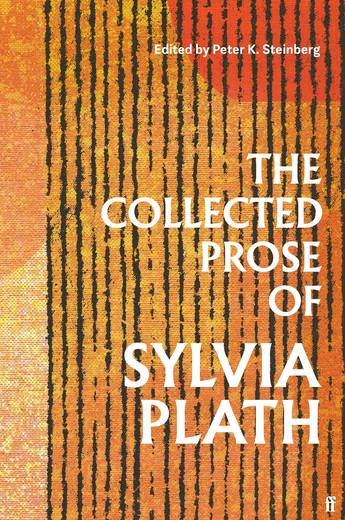
‘Archives and Hives: Three books which tell of Sylvia Plath’s spring’
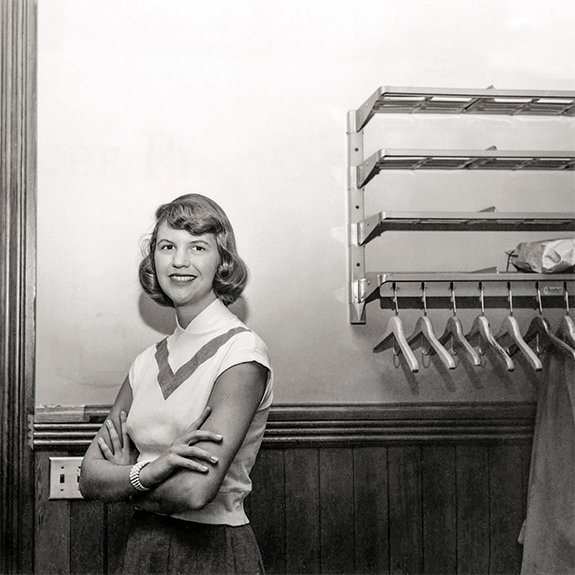
For seven years after her 1963 burial, Sylvia Plath lay in an unmarked grave near St Thomas the Apostle Church in Heptonstall, West Yorkshire. The gravestone, when it came, bore her birth and married names, Sylvia Plath Hughes, the years of her birth and death, and a line from Wu Cheng-en’s sixteenth-century novel Monkey King:Journey to the West: ‘Even amidst fierce flames, the golden lotus can be planted.’
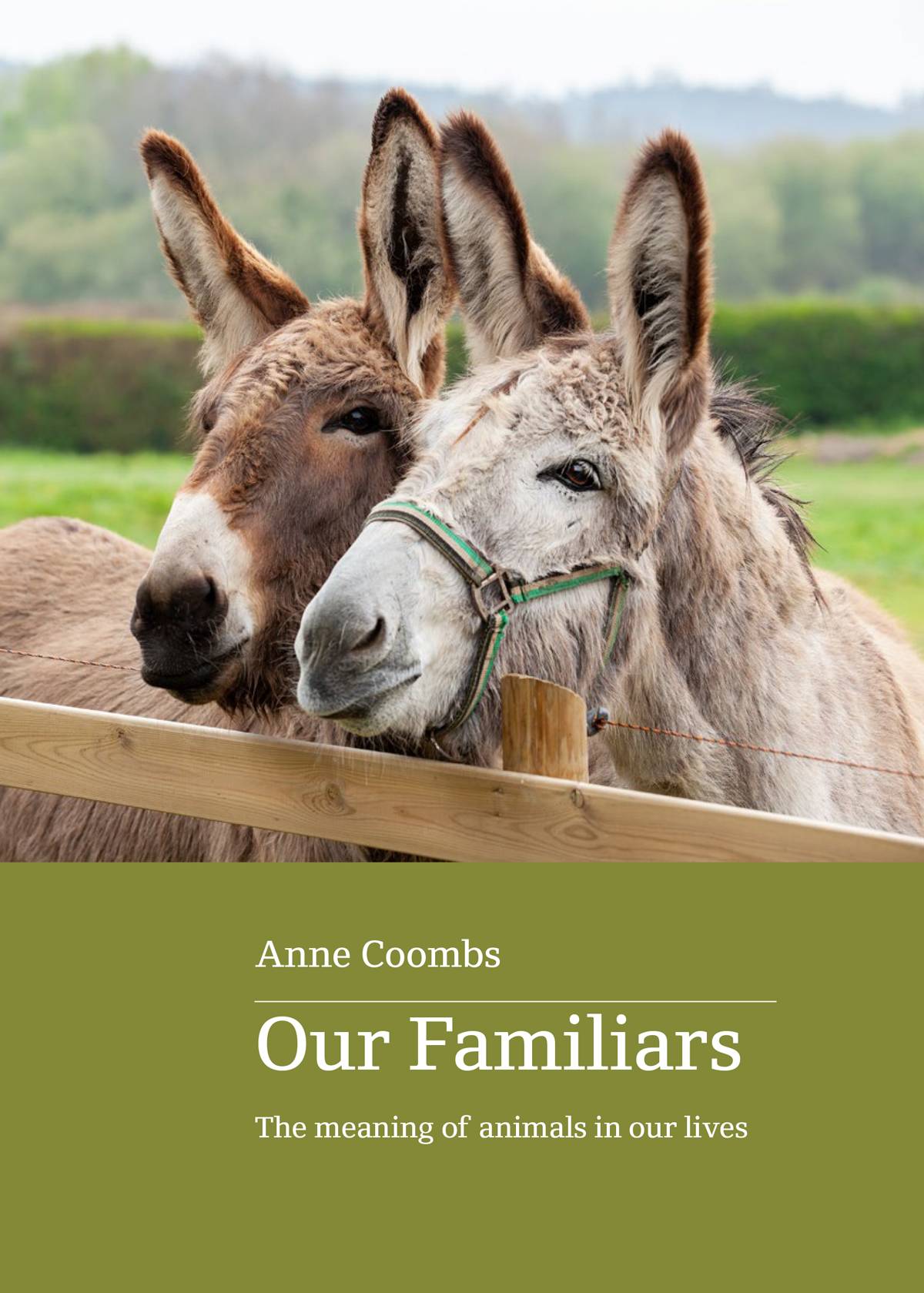
Our Familiars: The meaning of animals in our lives by Anne Coombs
The unbelievable lacework of it all – the patterns and linkages, the flickerings of knowledge and mystery, the astonishing shapes – is what Anne Coombs’s Our Familiars: The meaning of animals in our lives explores. This is a family book; specifically, a multi-species family book. Intimacies made between bodies is the soil in which the work is grown. And it comes from a writer who spent a lifetime thinking about, writing for, and working towards companionship, co-operation, and the safety of others. It is a posthumous publication too; a work fed and raised by Coombs, but finished, edited, and carried into the world by Susan Varga, Anne’s partner of thirty-three years, and close friend Joyce Morgan. Coombs died in December 2021, not long after the Black Summer fires and the Covid-19 pandemic – a time when all our interdependencies were raging (as they continue to).
ABR Arts
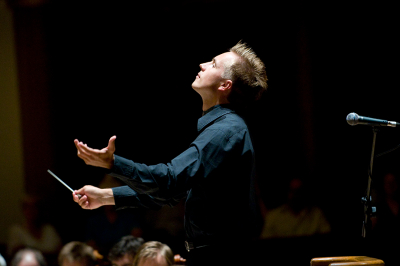
Bruckner and Strauss: A thoughtful performance of works by two Romantic masters
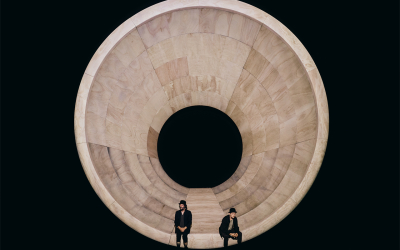
Letter from Santa Fe: 'Marriage of Figaro' and Wagner’s 'Die Walküre' at the Opera House
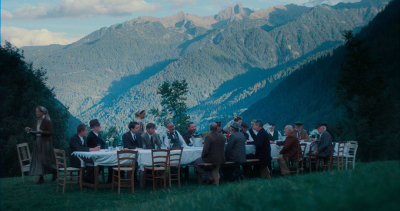
‘Waiting for Godot: Keanu Reeves and Alex Winter reunite for Beckett’s classic’
Book of the Week
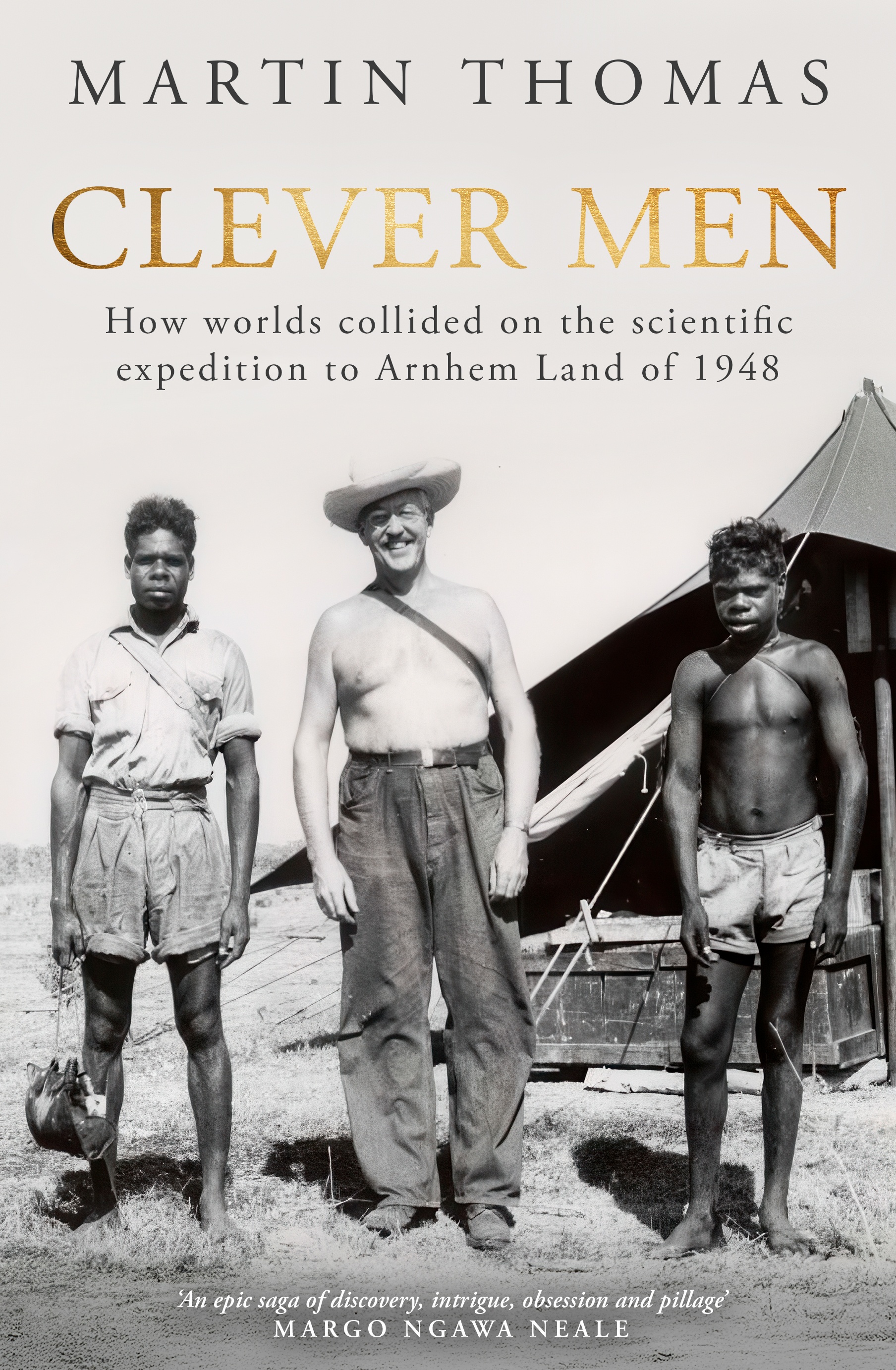
Clever Men: How worlds collided on the scientific expedition to Arnhem Land of 1948 by Martin Thomas
Soon after the conclusion of the 1948 Arnhem Land expedition, its leader, Charles Pearcy Mountford, an ethnologist and filmmaker, was celebrated by the National Geographic Society, a key sponsor of the expedition, along with the Smithsonian Institution in Washington DC and the Commonwealth Department of Information. In presenting Mountford with the Franklin L. Burr Prize and praising his ‘outstanding leadership’, the Society effectively honoured his success in presenting himself as the leader of a team of scientists working together in pursuit of new frontiers of knowledge. But this presentation is best read as theatre. The expedition’s scientific achievements were middling at best and, behind the scenes, the turmoil and disagreement that had characterised the expedition continued to rage.
From the Archive
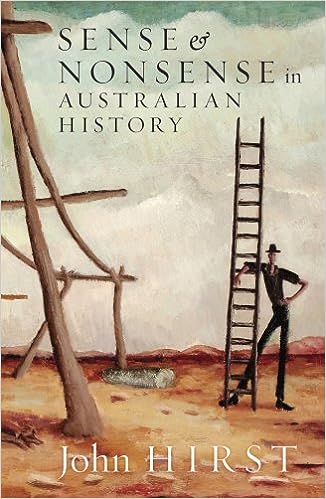
Sense and Nonsense in Australian History by John Hirst
John Hirst is a throwback. I don’t mean in his political views, but in his sense of his duty as an historian. He belongs to a tradition which, in this country, goes back to the 1870s and 1880s, when the Australian colonies began to feel the influence of German ideas about the right relationship between the humanities and the state. Today it is a tradition increasingly hard to maintain. Under this rubric, both historians and public servants are meant to offer critical and constructive argument about present events and the destiny of the nation. Henry Parkes was an historian of sorts, and he was happy to spend government money on the underpinnings of historical scholarship in Australia. The Historical Records of New South Wales was one obvious result, and that effort, in itself, involved close cooperation between bureaucrats and scholars. Alfred Deakin was likewise a man of considerable scholarship (and more sophisticated than Parkes), whose reading shaped his ideas about national destiny, and who nourished a similar outlook at the bureaucratic level.