Albanese’s ‘Australian Way’
Current Issue
- Events
- Book reviews
- Arts criticism
- Prizes & Fellowships
Sign Up For Our Newsletters
- Events
- Book reviews
- Arts criticism
- Prizes & Fellowships
Sign Up For Our Newsletters
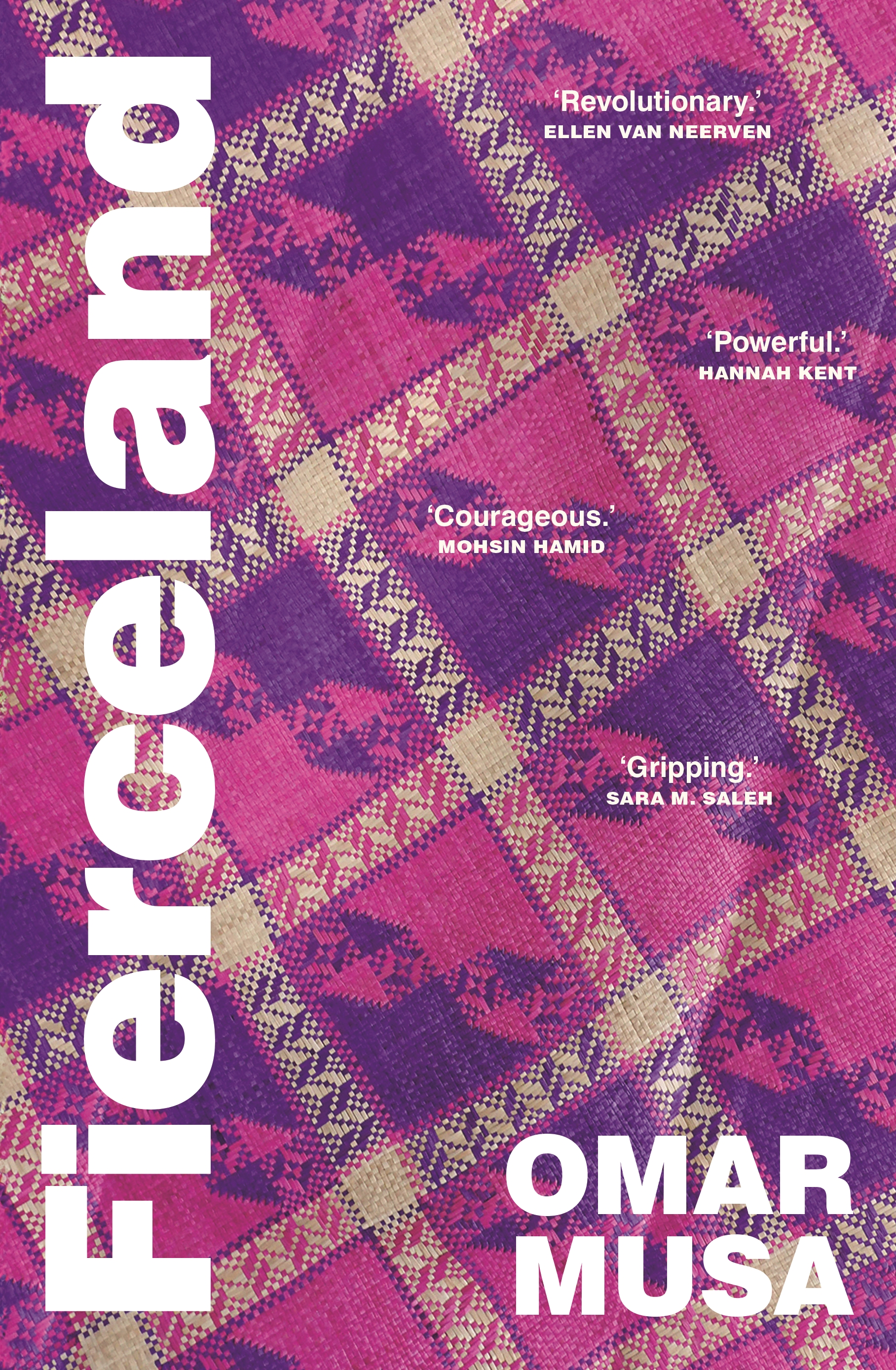
Fierceland by Omar Musa
Omar Musa’s first novel, Here Come the Dogs (2014), is a rousing dramatisation of the combustible sense of displacement and dissatisfaction simmering at the underrepresented margins of Australian life. Its protagonists are singular and compelling: each is tender and violent, hopeful and despairing, pitiful and triumphant. They all possess a uniquely hybrid identity, and each is searching for something that is always out of reach.
‘Weather’
These days, evenings are heavy
with clouds that refuse to crack, to open
a window is let in the night
creatures, which flutter and tumble
into the glow of a phone
Apple in China: The capture of the world’s greatest company by Patrick McGee
Apple is one of the world’s largest companies. Its market value reached $3 trillion in January 2022, having grown by more than $700 million per day since August 2011 when Tim Cook took over as Chief Executive Officer after an ailing Steve Jobs resigned. Apple began with Jobs and Steve Wozniak ‘tinkering in a garage’. Iconic products followed including the Mac, the iMac, the iPod, the iPad and, most successful of all, the iPhone. An early slogan aimed to align Apple with ‘the crazy ones. The misfits. The rebels. The troublemakers.’ For a company experiencing huge growth, that image was often at odds with the day-to-day commercial reality.
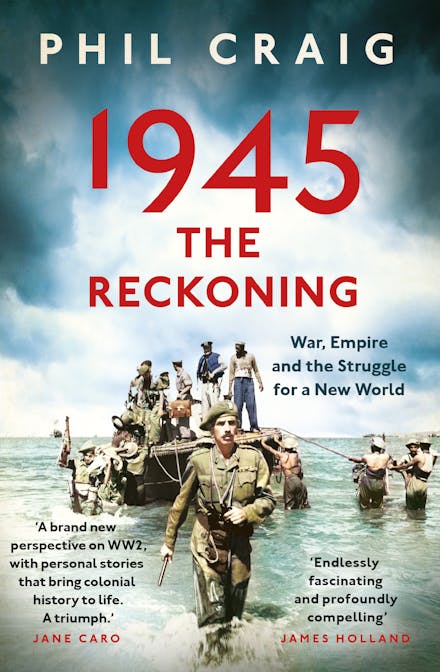
1945: The Reckoning: War, empire and the struggle for a new world by Phil Craig
A wise scholar once advised me against using absolutes in historical writing. The first reason is functional. When you resort to words such as ‘everyone’, ‘everything’, and ‘nobody’, you invite trouble; most of the time you can find an exception. The second reason is more important. The use of such words can betray an approach that packages the messy past too neatly, where there is little room for nuance and even less for uncertainty. Confidence doesn’t necessarily produce the best results.
Letters – October 2025
My career began at Australian Book Review, and as such I’ve been prompted to reflect on the importance of publications such as ABR to ensuring a robust critical culture in Australia in the wake of Meanjin’s closure. The decision was announced on September 4 that Meanjin, one of Australia’s longest-running literary journals, would cease to be published by its custodian, Melbourne University Publishing, and that the editor and I would be made redundant.
On Display: The story of Artbank, Australia’s most visible collection by Laura Couttie
This handsome book is a strange beast: half official report, half pitch to potential clients, half lavishly illustrated history of four decades of collecting Australian art. Clearly, this does not add up. Which is a pity, because Artbank is important to the current visibility, and popular success, of contemporary art in Australia.
Yilkari: A desert suite by Nicolas Rothwell and Alison Nampitjinpa Anderson
Outsiders, mostly white men seeking answers to burning existential questions, have long been ineluctably drawn to Australian deserts. The continental interior, with its deep-time mysteries, has lured not only explorers on fatal quests, but also lone anthropologists, philosophers, and other restless wanderers in search of themselves, burdened with their interrogations and yearnings for higher truth.
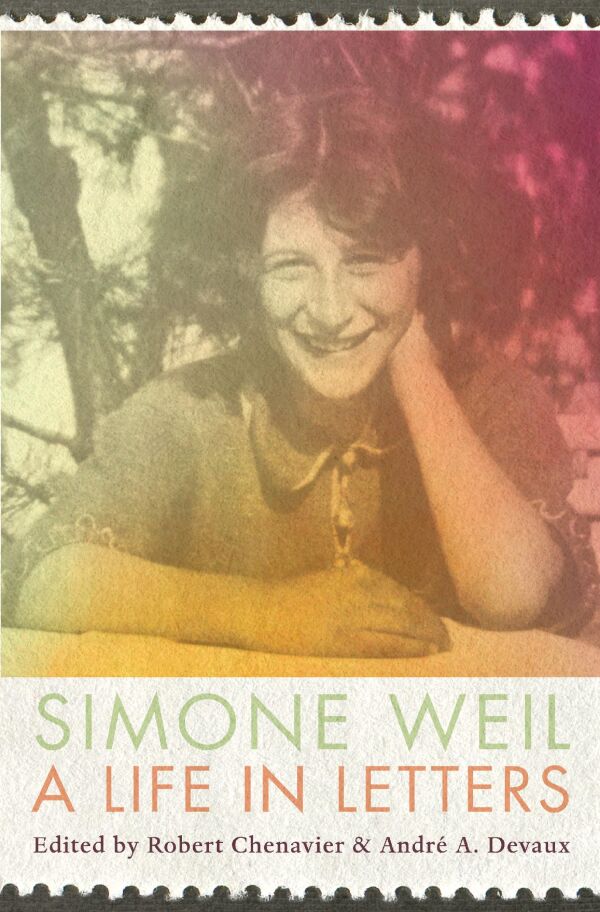
A Life in Letters by Robert Chevanier and André A. Devaux, translated from French by Nicholas Elliott
In his otherwise bleak 1963 novel The Spy Who Came in from the Cold, John le Carré lets himself have a little fun with the character of Elizabeth Gold. She is an idealistic Jewish woman in her mid-twenties who works in a small library in the London neighbourhood of Bayswater. She is also a member of the British Communist Party. For Liz, however, membership is less a matter of ideology than a token of her moral commitment to peace work and the alleviation of poverty. She is disdainful of her local branch, with its petty ambitions to be ‘a decent little club, nice and revolutionary and no fuss’ – unlike her comrades in the German Democratic Republic (GDR), whose determined struggle against the militarism and decadence of the capitalist West she admires from afar.
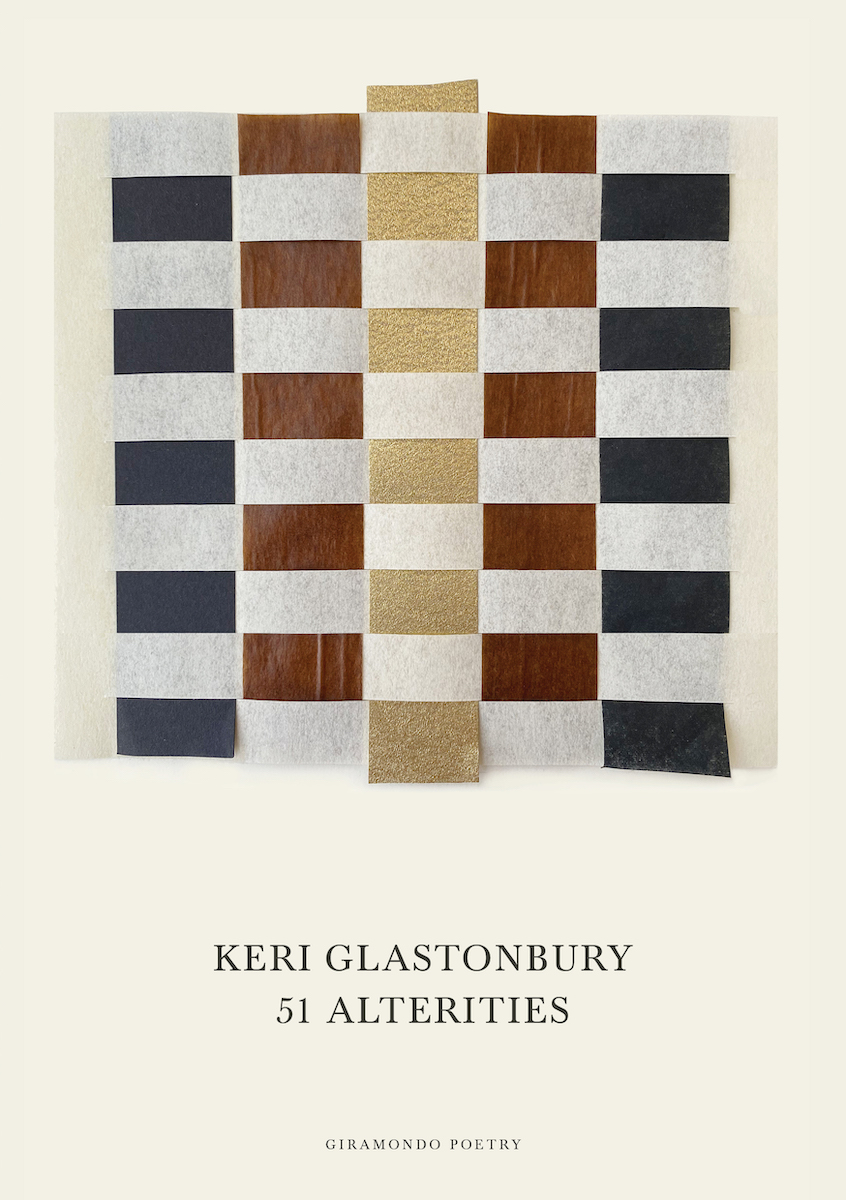
51 Alterities by Keri Glastonbury
The title of Keri Glastonbury’s latest collection of poems, 51 Alterities, evokes the title of 81 Austerities (2012) by the English poet Sam Riviere. Glastonbury’s collection is, according to its author, ‘offered as a loose “antipodean” adaptation’ of 81 Austerities, a collection that was written ‘in response to the impact of austerity measures on the arts and as a provocation on poetry as a contemporary media in the internet age’. Post-internet poetry, taking on as it does the syntax and lexis of internet discourse (especially, but not wholly, that used in social media), has become a dominant style in contemporary Anglophone poetry. When 81 Austerities was reviewed by The Daily Telegraph the headline was ‘Poetry for the Facebook Age’. Such a caption now seems laughably dated, and perhaps a little naïve, suggesting something of the dangers of writing post-internet poetry. A decade is a long time in cyberspace.
ABR Arts
Bruckner and Strauss: A thoughtful performance of works by two Romantic masters
Letter from Santa Fe: 'Marriage of Figaro' and Wagner’s 'Die Walküre' at the Opera House
‘Waiting for Godot: Keanu Reeves and Alex Winter reunite for Beckett’s classic’
Book of the Week
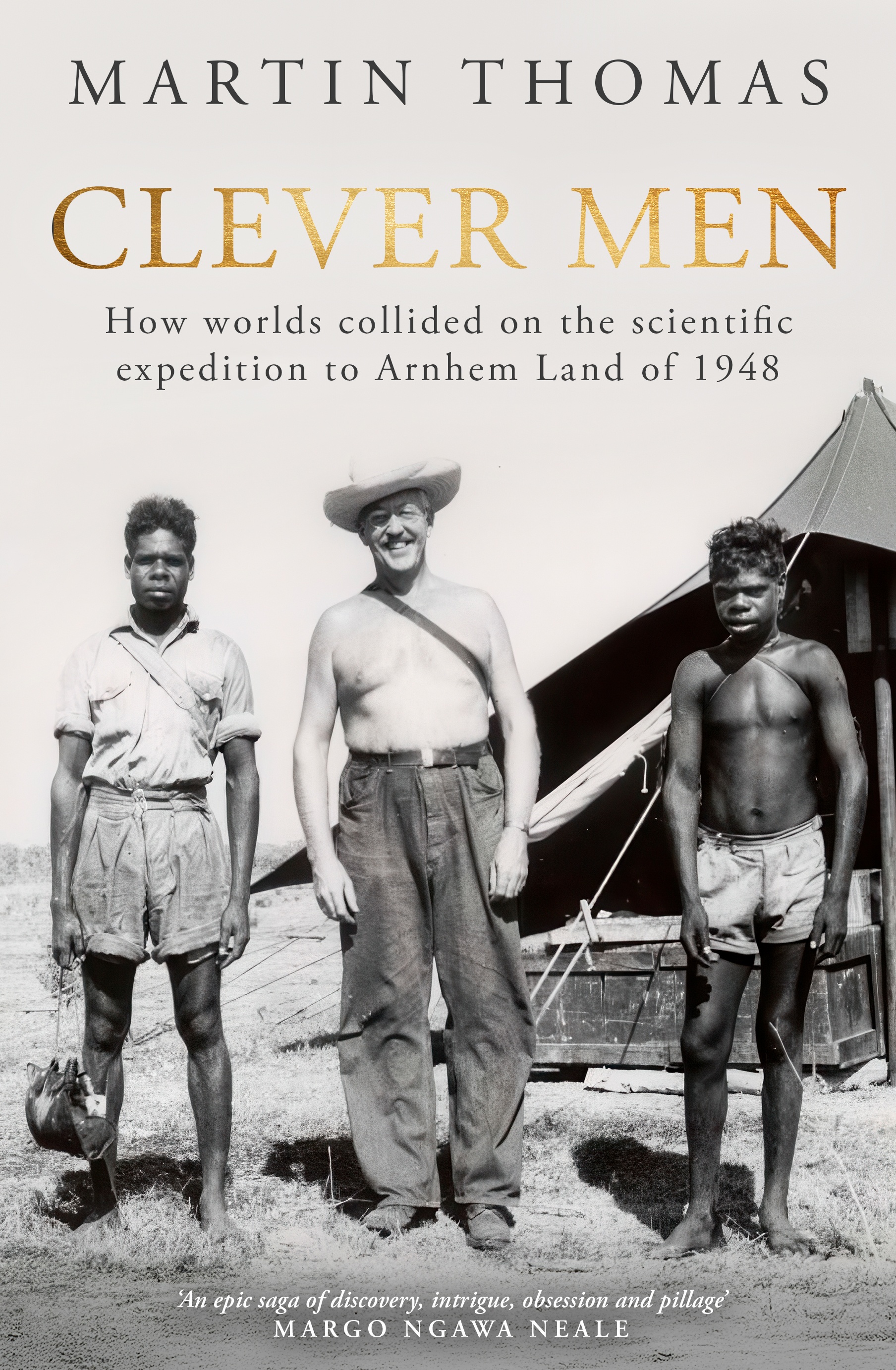
Clever Men: How worlds collided on the scientific expedition to Arnhem Land of 1948 by Martin Thomas
Soon after the conclusion of the 1948 Arnhem Land expedition, its leader, Charles Pearcy Mountford, an ethnologist and filmmaker, was celebrated by the National Geographic Society, a key sponsor of the expedition, along with the Smithsonian Institution in Washington DC and the Commonwealth Department of Information. In presenting Mountford with the Franklin L. Burr Prize and praising his ‘outstanding leadership’, the Society effectively honoured his success in presenting himself as the leader of a team of scientists working together in pursuit of new frontiers of knowledge. But this presentation is best read as theatre. The expedition’s scientific achievements were middling at best and, behind the scenes, the turmoil and disagreement that had characterised the expedition continued to rage.
From the Archive
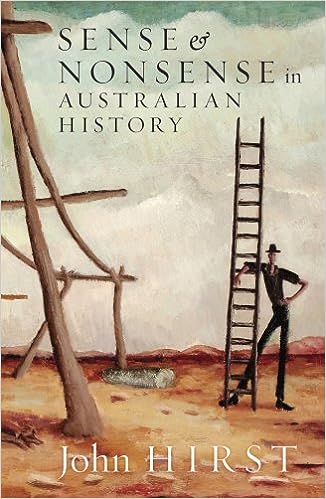
Sense and Nonsense in Australian History by John Hirst
John Hirst is a throwback. I don’t mean in his political views, but in his sense of his duty as an historian. He belongs to a tradition which, in this country, goes back to the 1870s and 1880s, when the Australian colonies began to feel the influence of German ideas about the right relationship between the humanities and the state. Today it is a tradition increasingly hard to maintain. Under this rubric, both historians and public servants are meant to offer critical and constructive argument about present events and the destiny of the nation. Henry Parkes was an historian of sorts, and he was happy to spend government money on the underpinnings of historical scholarship in Australia. The Historical Records of New South Wales was one obvious result, and that effort, in itself, involved close cooperation between bureaucrats and scholars. Alfred Deakin was likewise a man of considerable scholarship (and more sophisticated than Parkes), whose reading shaped his ideas about national destiny, and who nourished a similar outlook at the bureaucratic level.