


Albanese’s ‘Australian Way’
Current Issue
- Events
- Book reviews
- Arts criticism
- Prizes & Fellowships
Sign Up For Our Newsletters
- Events
- Book reviews
- Arts criticism
- Prizes & Fellowships
Sign Up For Our Newsletters
Yilkari: A desert suite by Nicolas Rothwell and Alison Nampitjinpa Anderson
Outsiders, mostly white men seeking answers to burning existential questions, have long been ineluctably drawn to Australian deserts. The continental interior, with its deep-time mysteries, has lured not only explorers on fatal quests, but also lone anthropologists, philosophers, and other restless wanderers in search of themselves, burdened with their interrogations and yearnings for higher truth.
‘Journey Beginning Things’
Suitcase red girl teenager together
New space time moving thataway
Farewell waving family people mindset
The Shortest History of Turkey by Benjamin C. Fortna
Can a ‘shortest history’ of Turkey, including the expansive history of the Ottoman Empire, work? As well as covering imperial grandeur, it must address complex and sensitive issues such as the Kurdish conflict, the Armenian genocide, Islamism, slavery, and autocracy. Benjamin C. Fortna, a Middle Eastern historian, successfully combines sympathy and interest in Turkey with a candid examination, including of darker aspects of its past.
Poet of the Month with Ellen van Neerven
Ellen van Neerven is a writer and editor of Mununjali and Dutch heritage. Their books include Heat and Light (2014), Comfort Food (2016), Throat (2020), and Personal Score (2023). Ellen’s first book, Heat and Light, was the recipient of the David Unaipon Award, the Dobbie Literary Award, and the NSW Premier’s Literary Awards Indigenous Writers’ Prize. Ellen’s second book, Comfort Food, was shortlisted for the NSW Premier’s Literary Awards Kenneth Slessor Prize and highly commended in the 2016 Wesley Michel Wright Prize. They live and write on unceded Yagera and Turrbal dhagun.
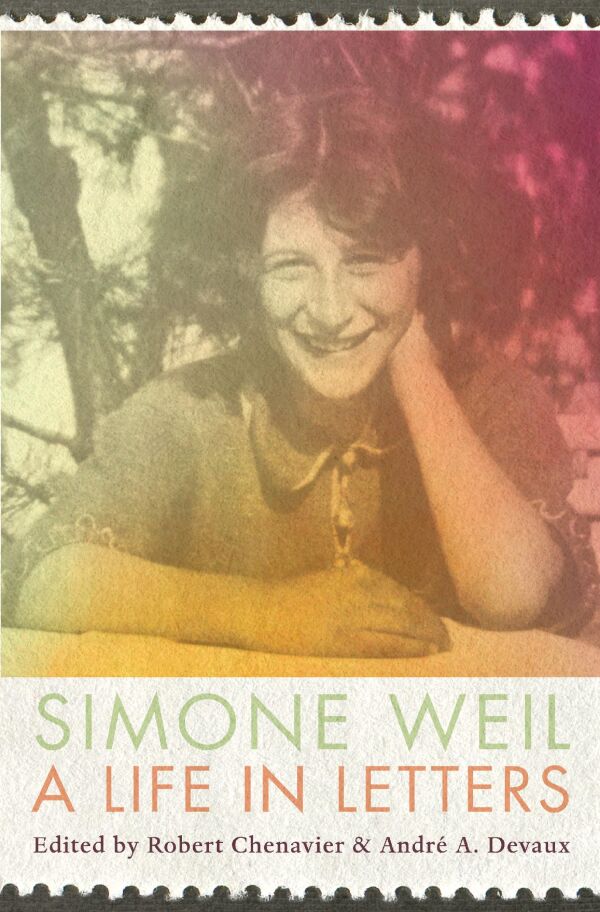
A Life in Letters by Robert Chevanier and André A. Devaux, translated from French by Nicholas Elliott
In his otherwise bleak 1963 novel The Spy Who Came in from the Cold, John le Carré lets himself have a little fun with the character of Elizabeth Gold. She is an idealistic Jewish woman in her mid-twenties who works in a small library in the London neighbourhood of Bayswater. She is also a member of the British Communist Party. For Liz, however, membership is less a matter of ideology than a token of her moral commitment to peace work and the alleviation of poverty. She is disdainful of her local branch, with its petty ambitions to be ‘a decent little club, nice and revolutionary and no fuss’ – unlike her comrades in the German Democratic Republic (GDR), whose determined struggle against the militarism and decadence of the capitalist West she admires from afar.
Science Under Siege: How to fight the five most powerful forces that threaten our world by Michael Mann and Peter Hotez
Two distinguished professors have joined forces to write an impassioned book about the recent, concerted attacks on science. While they both live and work in the United States, where what they describe as the ‘forces of darkness’ are most active and influential, the problem they describe is truly global. Mann is a celebrated climate scientist who has been a leading voice in the field since the 1980s, while Hotez is a virologist who became involved in the public debate about the Covid-19 pandemic. The central argument of the book is that we face existential crises in both human health and the health of our planet. While the best hope of successfully tackling these challenges relies on science, there is now ‘politically and ideologically motivated opposition to science’, threatening both our ability to advance understanding of these complex issues and, equally important, the freedom of scientists to communicate their understanding.
‘Archives and Hives: Three books which tell of Sylvia Plath’s spring’
For seven years after her 1963 burial, Sylvia Plath lay in an unmarked grave near St Thomas the Apostle Church in Heptonstall, West Yorkshire. The gravestone, when it came, bore her birth and married names, Sylvia Plath Hughes, the years of her birth and death, and a line from Wu Cheng-en’s sixteenth-century novel Monkey King:Journey to the West: ‘Even amidst fierce flames, the golden lotus can be planted.’
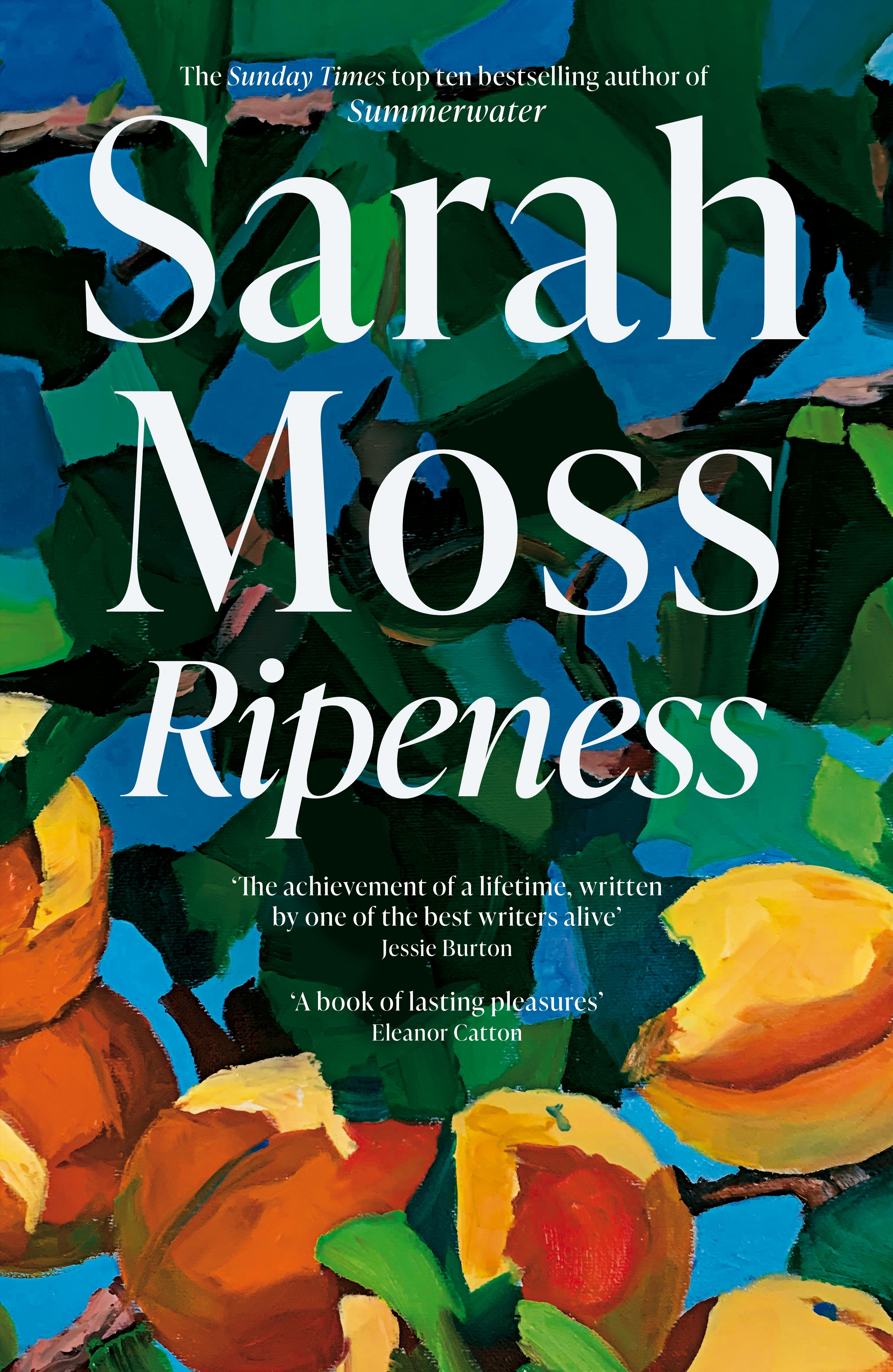
Ripeness by Sarah Moss
Sarah Moss’s tenth novel, Ripeness, charts the burden of bearing witness to tragedies, both personal and historical. At the heart of the story are two sisters from rural Ireland: Lydia, a ballerina, and Edith, a school-leaver due to commence a degree at Oxford. When Lydia falls pregnant, the girls’s mother charges Edith with the responsibility of assisting in the birth and overseeing the transfer of the baby into the care of his adoptive mother.
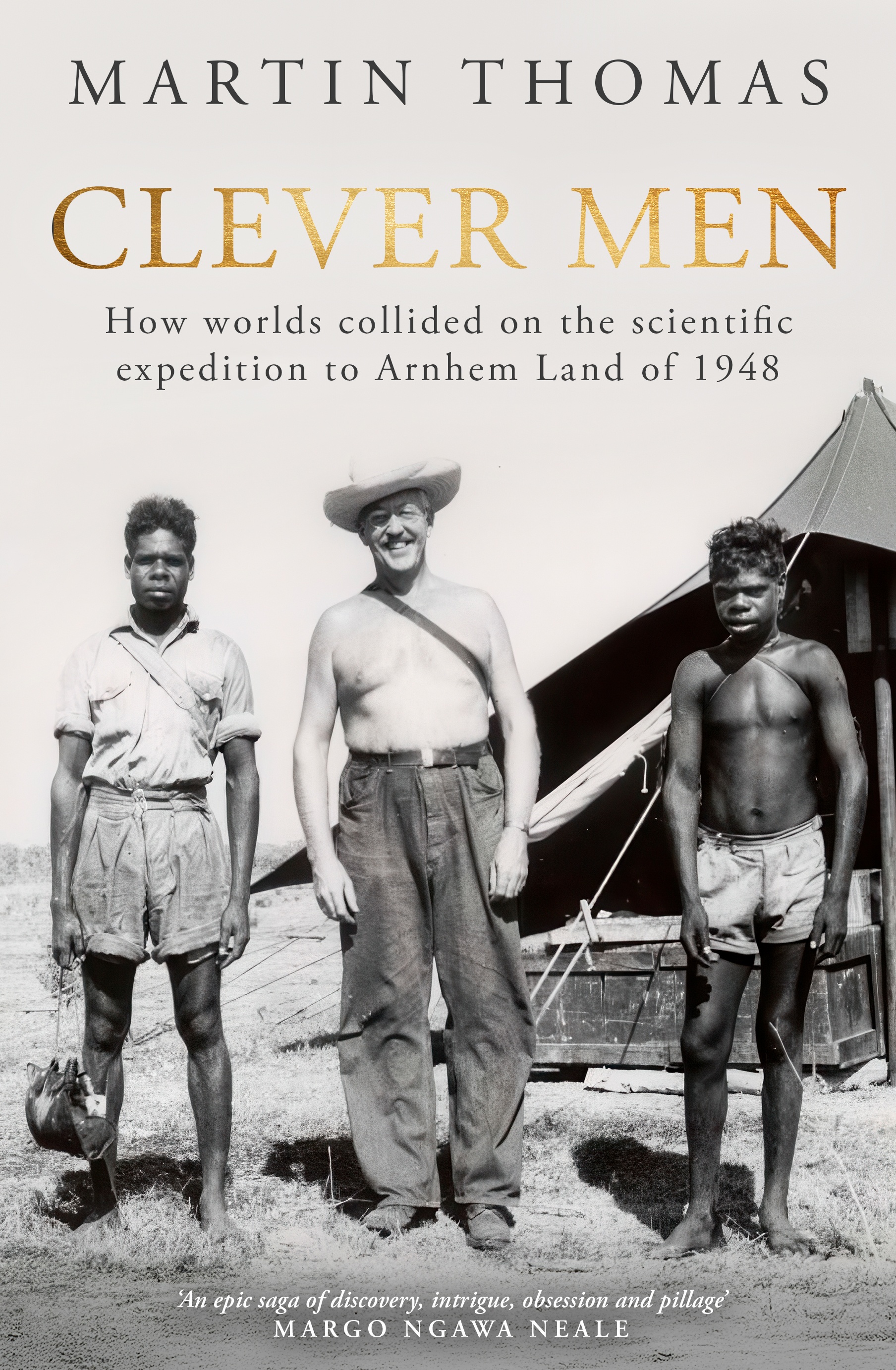
Clever Men: How worlds collided on the scientific expedition to Arnhem Land of 1948 by Martin Thomas
Soon after the conclusion of the 1948 Arnhem Land expedition, its leader, Charles Pearcy Mountford, an ethnologist and filmmaker, was celebrated by the National Geographic Society, a key sponsor of the expedition, along with the Smithsonian Institution in Washington DC and the Commonwealth Department of Information. In presenting Mountford with the Franklin L. Burr Prize and praising his ‘outstanding leadership’, the Society effectively honoured his success in presenting himself as the leader of a team of scientists working together in pursuit of new frontiers of knowledge. But this presentation is best read as theatre. The expedition’s scientific achievements were middling at best and, behind the scenes, the turmoil and disagreement that had characterised the expedition continued to rage.
ABR Arts
Bruckner and Strauss: A thoughtful performance of works by two Romantic masters
Letter from Santa Fe: 'Marriage of Figaro' and Wagner’s 'Die Walküre' at the Opera House
‘Waiting for Godot: Keanu Reeves and Alex Winter reunite for Beckett’s classic’
Book of the Week
Clever Men: How worlds collided on the scientific expedition to Arnhem Land of 1948 by Martin Thomas
Soon after the conclusion of the 1948 Arnhem Land expedition, its leader, Charles Pearcy Mountford, an ethnologist and filmmaker, was celebrated by the National Geographic Society, a key sponsor of the expedition, along with the Smithsonian Institution in Washington DC and the Commonwealth Department of Information. In presenting Mountford with the Franklin L. Burr Prize and praising his ‘outstanding leadership’, the Society effectively honoured his success in presenting himself as the leader of a team of scientists working together in pursuit of new frontiers of knowledge. But this presentation is best read as theatre. The expedition’s scientific achievements were middling at best and, behind the scenes, the turmoil and disagreement that had characterised the expedition continued to rage.
From the Archive
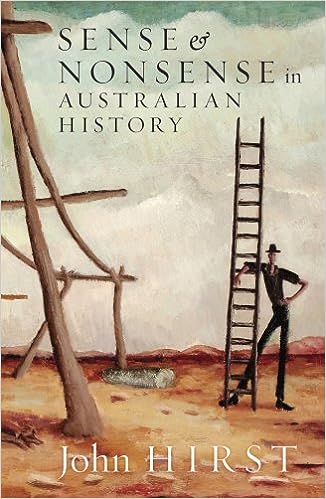
Sense and Nonsense in Australian History by John Hirst
John Hirst is a throwback. I don’t mean in his political views, but in his sense of his duty as an historian. He belongs to a tradition which, in this country, goes back to the 1870s and 1880s, when the Australian colonies began to feel the influence of German ideas about the right relationship between the humanities and the state. Today it is a tradition increasingly hard to maintain. Under this rubric, both historians and public servants are meant to offer critical and constructive argument about present events and the destiny of the nation. Henry Parkes was an historian of sorts, and he was happy to spend government money on the underpinnings of historical scholarship in Australia. The Historical Records of New South Wales was one obvious result, and that effort, in itself, involved close cooperation between bureaucrats and scholars. Alfred Deakin was likewise a man of considerable scholarship (and more sophisticated than Parkes), whose reading shaped his ideas about national destiny, and who nourished a similar outlook at the bureaucratic level.