


- Free Article: No
- Contents Category: Theatre
- Subheading: A flamboyant take on Peter Shaffer’s classic
- Custom Article Title: Amadeus
- Review Article: Yes
- Article Title: Amadeus
- Article Subtitle: A flamboyant take on Peter Shaffer’s classic
- Online Only: No
- Custom Highlight Text: Amadeus is English playwright Peter Shaffer’s most resilient work. Antonio Salieri’s battle with both his god and his rival Wolfgang Amadeus Mozart has been frequently performed and revived, with actors of the calibre of Paul Scofield, Ian McKellen, and David Suchet as Salieri, and Simon Callow, Tim Curry, and Michael Sheen as Mozart. It says a lot for the play’s durability that so much of its power and pertinence can survive a production as basically misguided as the one at present in the Concert Hall of the Sydney Opera House.
- Article Hero Image (920px wide):
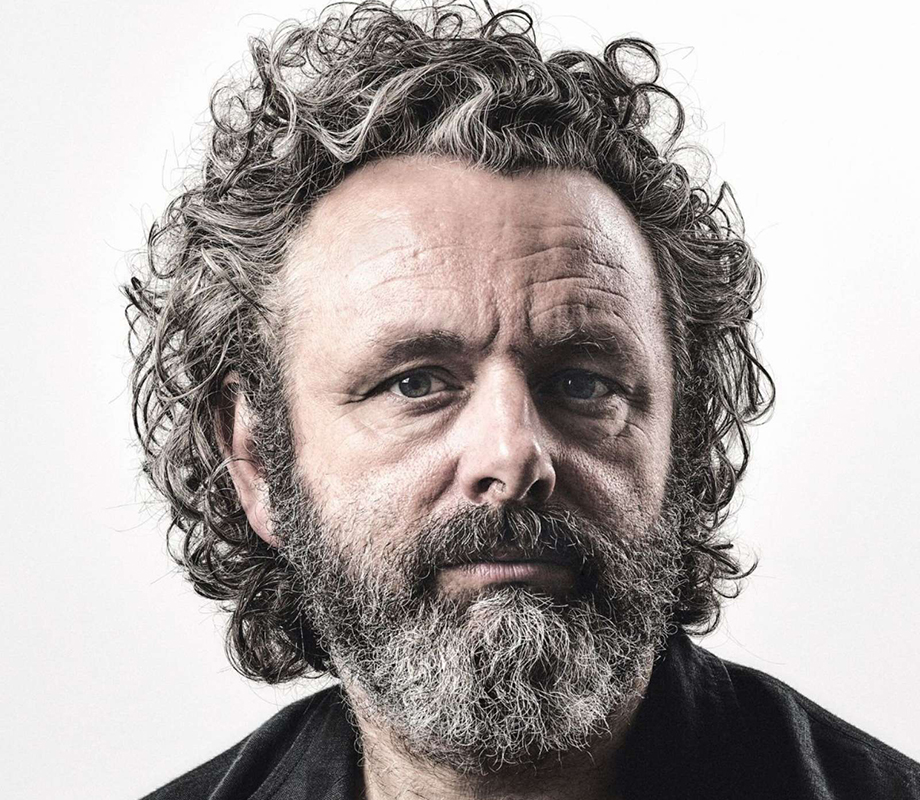
- Article Hero Image Caption: Michael Sheen as Antonio Salieri in Amadeus (photograph by Sydney Opera House)
- Alt Tag (Article Hero Image): Michael Sheen as Antonio Salieri in Amadeus (photograph by Sydney Opera House)
- Production Company: Red Line Productions
Shaffer sets his play on what the suicidal Salieri has decided will be his final night on earth. Directly addressing the audience, to his ombri del futuro or ghosts of the future he makes his final confession. In flashback we see the younger Salieri – Court composer to Emperor Joseph II and Vienna’s most successful composer – overwhelmed by the talent of the younger man, a talent only he among Joseph’s courtiers can fully appreciate. Helped by two meddling gossips, his venticelli, direct descendants of Hugo von Hofmannsthal’s Valzacchi and Annina in Der Rosenkavalier, Salieri plots Mozart’s destruction. Surviving an attempted suicide and reaching old age, he ends the play with the bitter declamation ‘Mediocrities everywhere – now and to come – I absolve you all. Amen!’
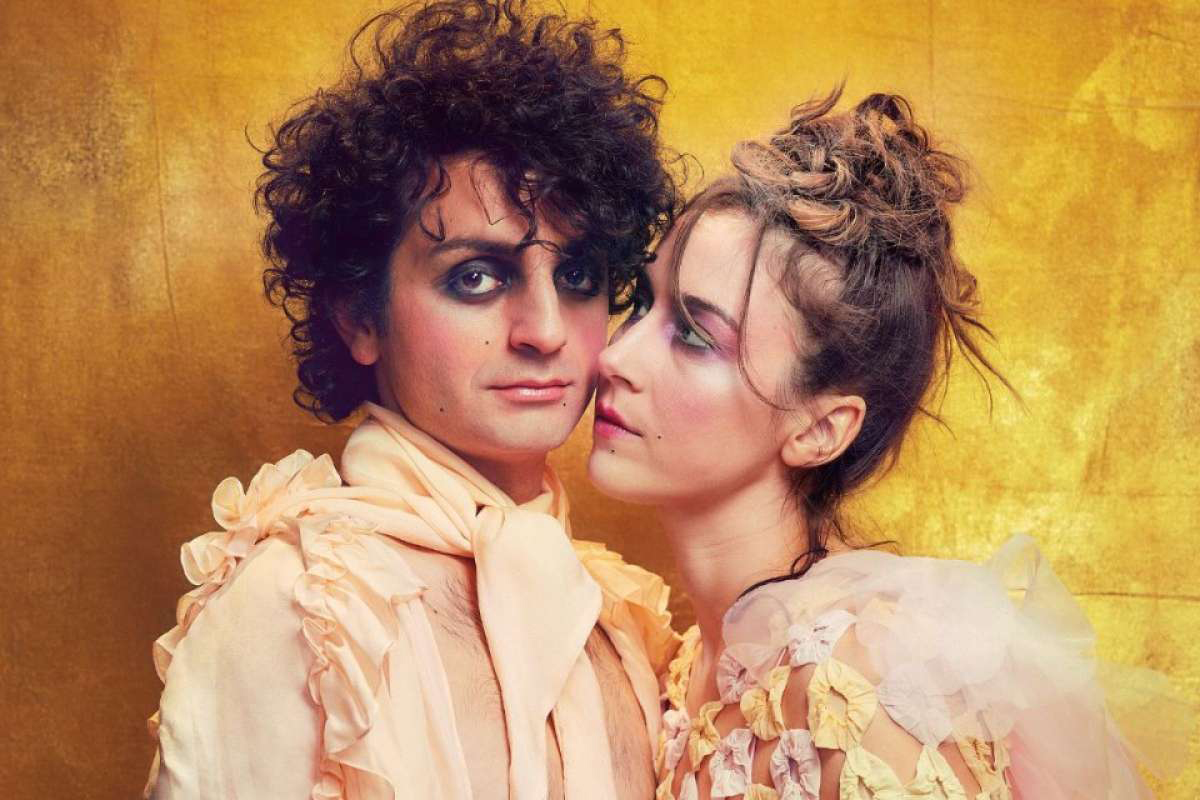 Rahel Romahn and Lily Balatincz in Amadeus (photograph by Sydney Opera House)
Presented as part of the Opera House’s fiftieth anniversary celebrations, Amadeus is obviously an attempt to see if the newly refurbished Concert Hall is now suitable for straight plays. With his wildly over-produced and disastrously over-amplified production, director Craig Ilot attempts to bludgeon the unforgiving space into compliance. The results are mixed to say the least.
There is an old Broadway joke which claims that the only two words a producer ever utters to a director are ‘faster’ and ‘louder’ – words no producer would need to say to Ilot. Amplification, when properly done, is an adroit assistance to a production. Here, the sound level is so high it is obvious that it is in use. This has an alienating effect that might work for Brecht but is anathema to Shaffer. In an attempt to dominate the hall, this fine cast is forced to play big. Any subtlety is lost.
This most affects Michael Sheen’s Salieri. This reviewer’s memories of Scofield in the role are of a powerful, dangerous stillness which made the character’s irruptions more formidable. Scofield was seductive, inviting his ombri in at the play’s start. The amplification gives Sheen’s performance a hectoring quality. He is presenting us with a lecture, not a seduction. Sheen is far too good an actor not to make his mark in the role, and he conveys Salieri’s pain, fury, and coruscating self-contempt persuasively, but in a more appropriate venue and less flamboyant production he would have been able to reveal more layers to his character.
Rahel Romahn is a quicksilver Mozart, light and agile. In his diary, Peter Hall (director of the first production, at the National Theatre, London), reminds himself that ‘I must be careful that Simon [Callow] does not act Mozart too coarsely; despite the oafishness of the part. … His awfulness in the play must be delicate.’ Rohmahn manages the delicacy perhaps a bit at the expense of the oafishness. He is at his best in Mozart’s passionate defence of opera – his kind of opera.
The rest of the cast valiantly battle the acoustics and the self-consciously flamboyant costumes of Romance was Born and Anna Cordingley, which present eighteenth-century dress as filtered through Oxford Street drag shows of the 1980s.
To add to the visual and aural overload, Ilod has employed the Metropolitan Orchestra. Convincingly conducted by Sarah-Grace Williams, it must be admitted that the playing of the opening of the Adagio in E flat, accompanied by Salieri’s awed description – a rare quiet moment for Sheen – is a piece of genuine magic.
If this arena-style production did not plumb the depths of Shaffer’s play, this did not seem to worry the audience, which leapt to its feet at the performance’s end. Sydney theatregoers’ love of technology and effects over content is as strong as ever.
Amadeus (Red Line Productions) continues at the Sydney Opera House until 21 January. Performance attended: 28 December.