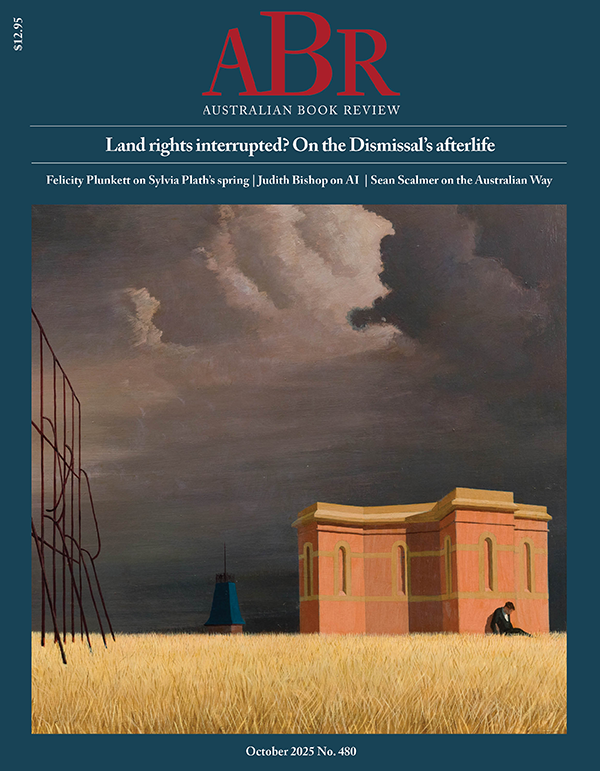
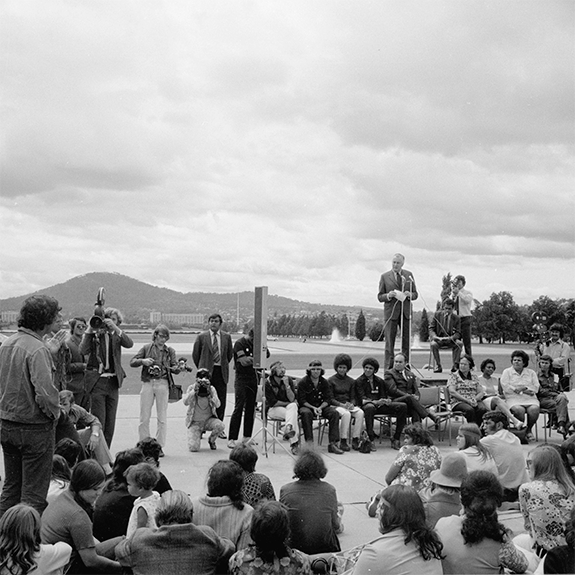


Albanese’s ‘Australian Way’
Current Issue
- Events
- Book reviews
- Arts criticism
- Prizes & Fellowships
Sign Up For Our Newsletters
- Events
- Book reviews
- Arts criticism
- Prizes & Fellowships
Sign Up For Our Newsletters
The Sea in the Metro by Jayne Tuttle
Jayne Tuttle’s The Sea in the Metro is the third book in a trilogy of memoirs about living, working, and becoming a mother in Paris. Like Paris or Die (2019) and My Sweet Guillotine (2022), Tuttle’s latest book applies a sharp scalpel to her own psyche while playing with genre. She explores the brutal realities of giving birth and raising a toddler in a foreign city, the seemingly impossible task of balancing motherhood with paid work, the joys and hardships of striving to be a capital ‘W’ writer while copywriting for cash, and what family might look like in brittle, Parisian culture. Tuttle also examines the complex ramifications of a near-death experience and a hospital birthing trauma on her ongoing physical and mental health – and intimate relationships.
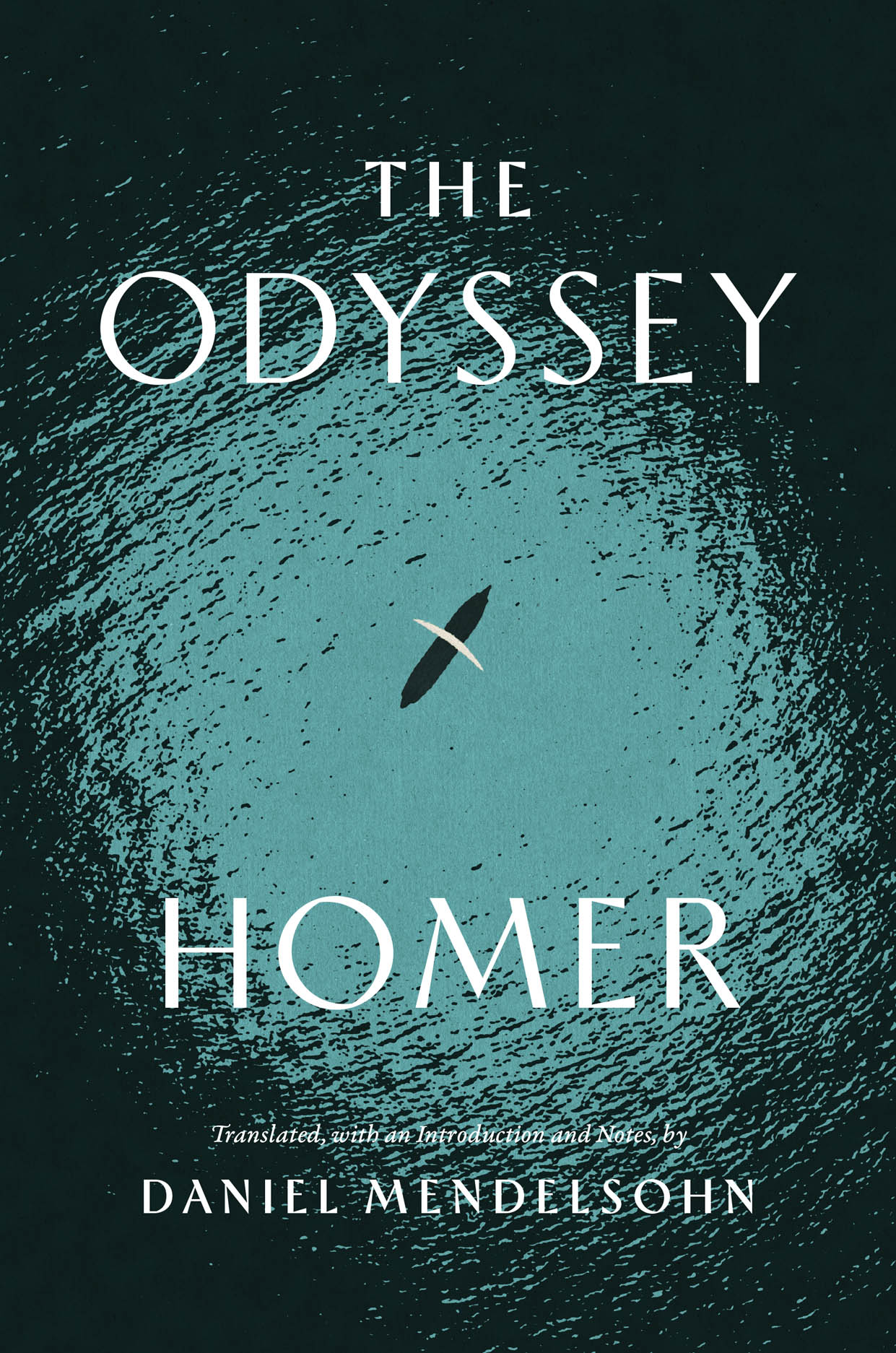
The Odyssey by Homer, translated from ancient Greek by Daniel Mendelsohn
After the horror of war, the difficulty of return – angry seas, lost comrades, plotters at home. Daniel Mendelsohn teaches at Bard College and writes for The New York Review of Books. His compelling new translation of the Odyssey acknowledges the themes of this story have been repeated over millennia: separation, trials, and reunion.
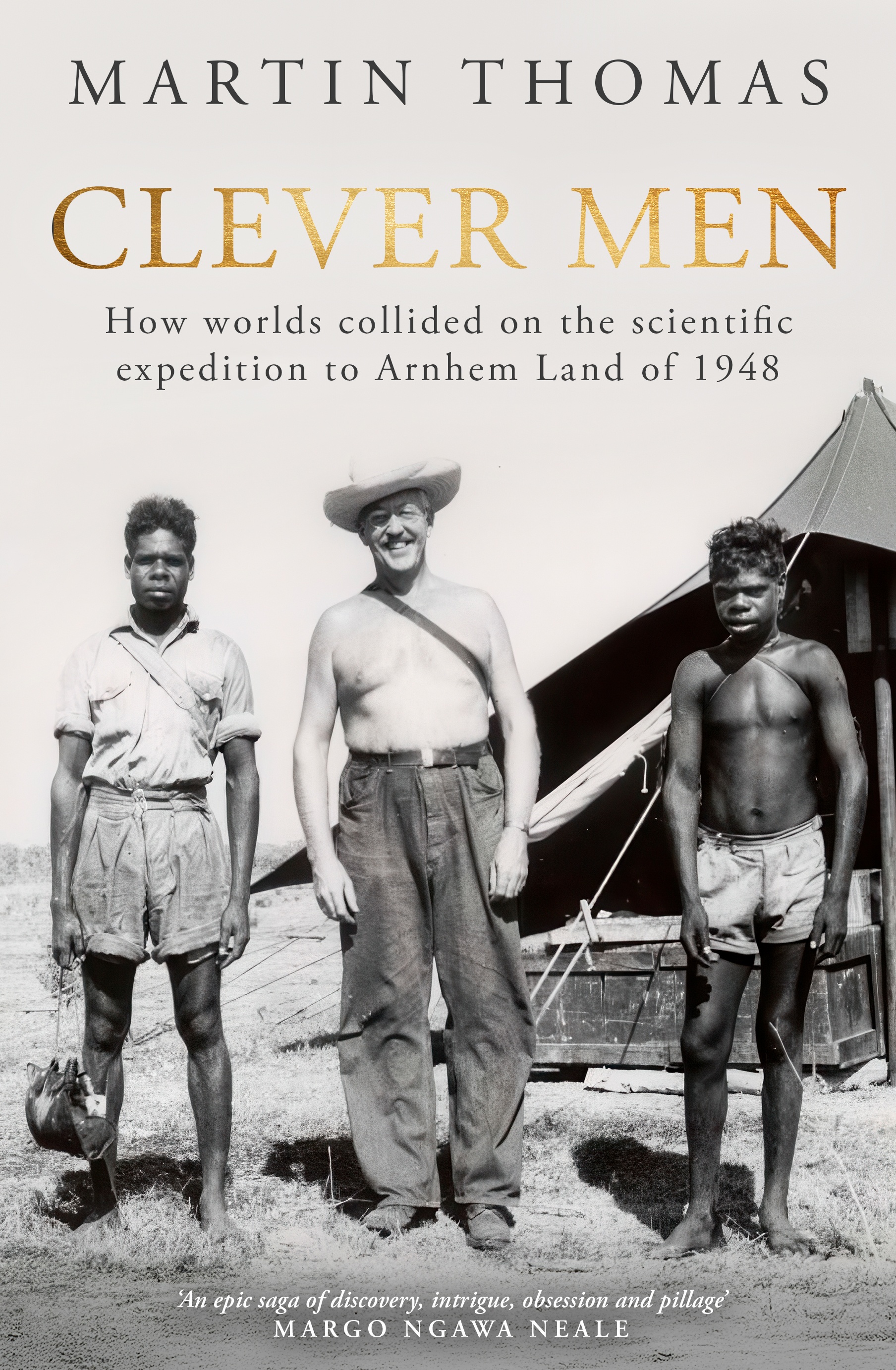
Clever Men: How worlds collided on the scientific expedition to Arnhem Land of 1948 by Martin Thomas
Soon after the conclusion of the 1948 Arnhem Land expedition, its leader, Charles Pearcy Mountford, an ethnologist and filmmaker, was celebrated by the National Geographic Society, a key sponsor of the expedition, along with the Smithsonian Institution in Washington DC and the Commonwealth Department of Information. In presenting Mountford with the Franklin L. Burr Prize and praising his ‘outstanding leadership’, the Society effectively honoured his success in presenting himself as the leader of a team of scientists working together in pursuit of new frontiers of knowledge. But this presentation is best read as theatre. The expedition’s scientific achievements were middling at best and, behind the scenes, the turmoil and disagreement that had characterised the expedition continued to rage.
‘Weather’
These days, evenings are heavy
with clouds that refuse to crack, to open
a window is let in the night
creatures, which flutter and tumble
into the glow of a phone
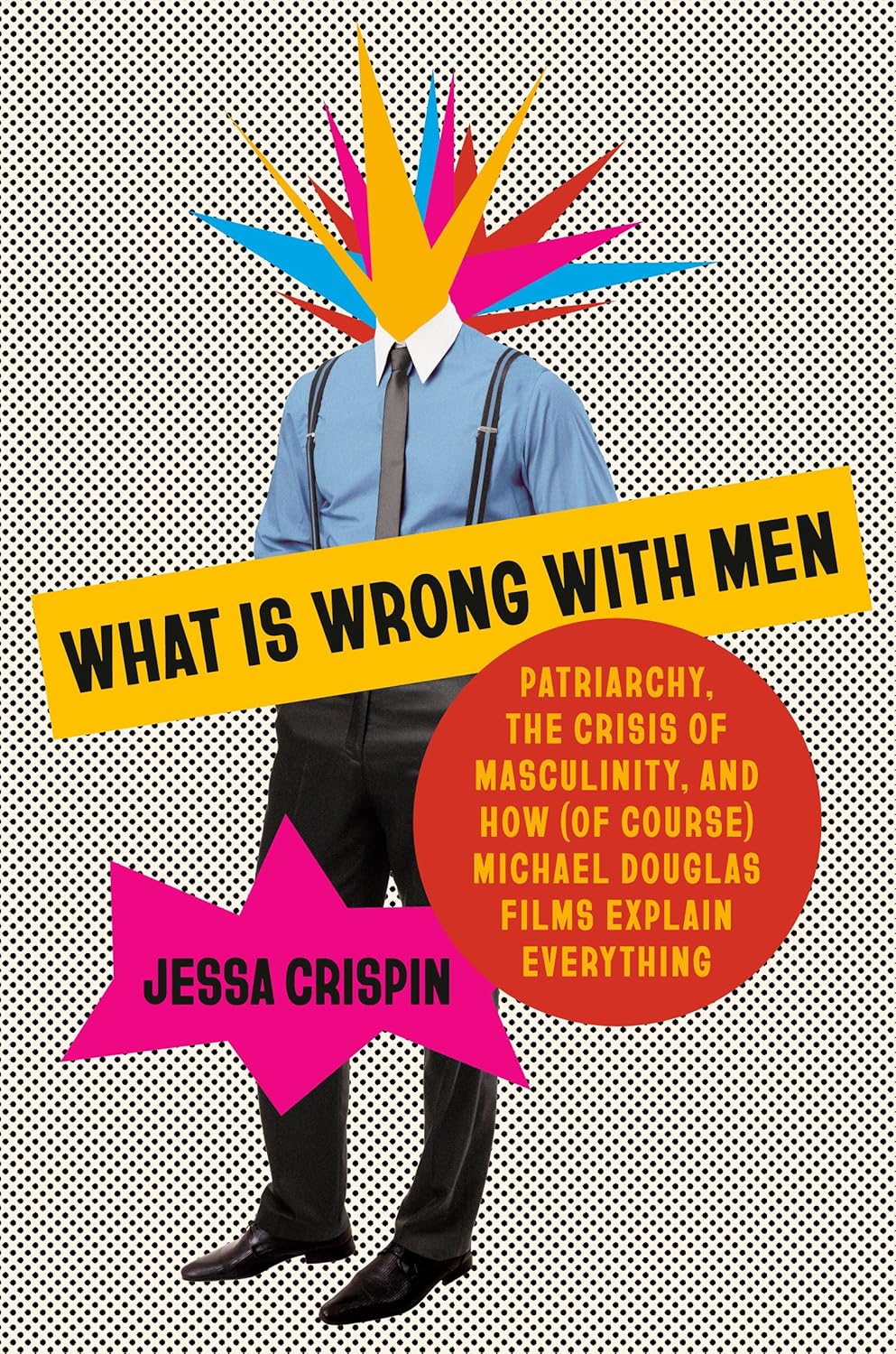
What Is Wrong with Men by Jessa Crispin & The Male Complaint by Simon James Copland
Although the tone of their commentaries differs, Jessa Crispin’s What Is Wrong with Men and Simon James Copland’s The Male Complaint are, more or less, examining the same thing: the workings of the patriarchy in general and what specifically has gone wrong, especially in recent times, with what Crispin refers to as ‘the tug of war’ between men and women.
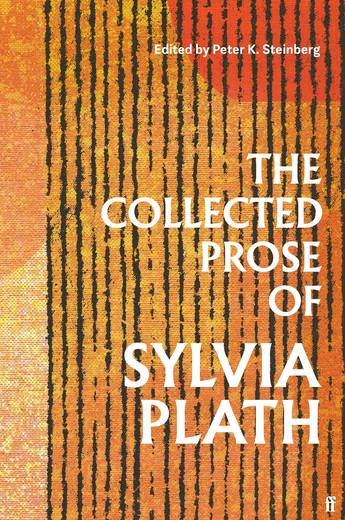
‘Archives and Hives: Three books which tell of Sylvia Plath’s spring’
For seven years after her 1963 burial, Sylvia Plath lay in an unmarked grave near St Thomas the Apostle Church in Heptonstall, West Yorkshire. The gravestone, when it came, bore her birth and married names, Sylvia Plath Hughes, the years of her birth and death, and a line from Wu Cheng-en’s sixteenth-century novel Monkey King:Journey to the West: ‘Even amidst fierce flames, the golden lotus can be planted.’
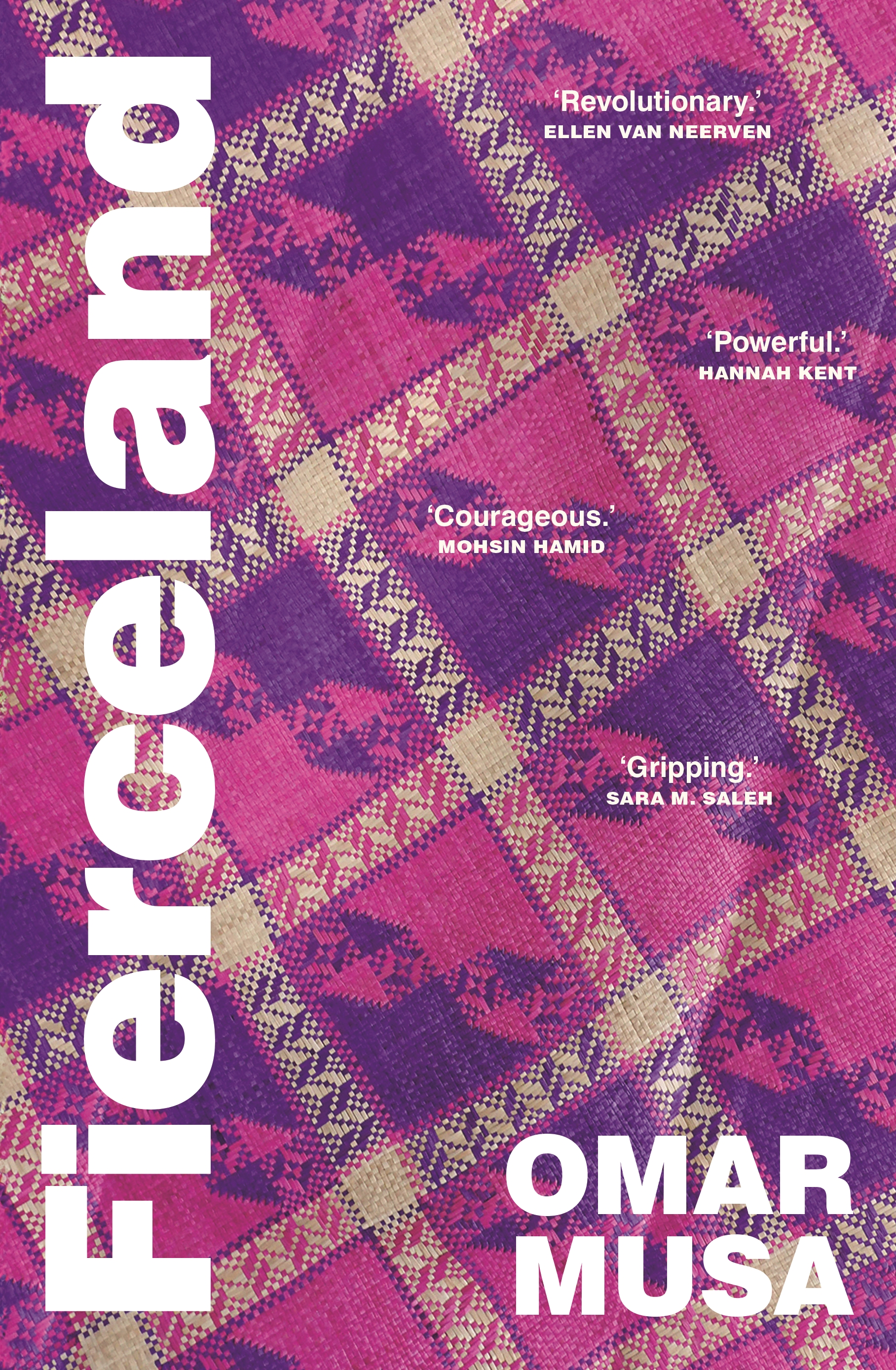
Fierceland by Omar Musa
Omar Musa’s first novel, Here Come the Dogs (2014), is a rousing dramatisation of the combustible sense of displacement and dissatisfaction simmering at the underrepresented margins of Australian life. Its protagonists are singular and compelling: each is tender and violent, hopeful and despairing, pitiful and triumphant. They all possess a uniquely hybrid identity, and each is searching for something that is always out of reach.
51 Alterities by Keri Glastonbury
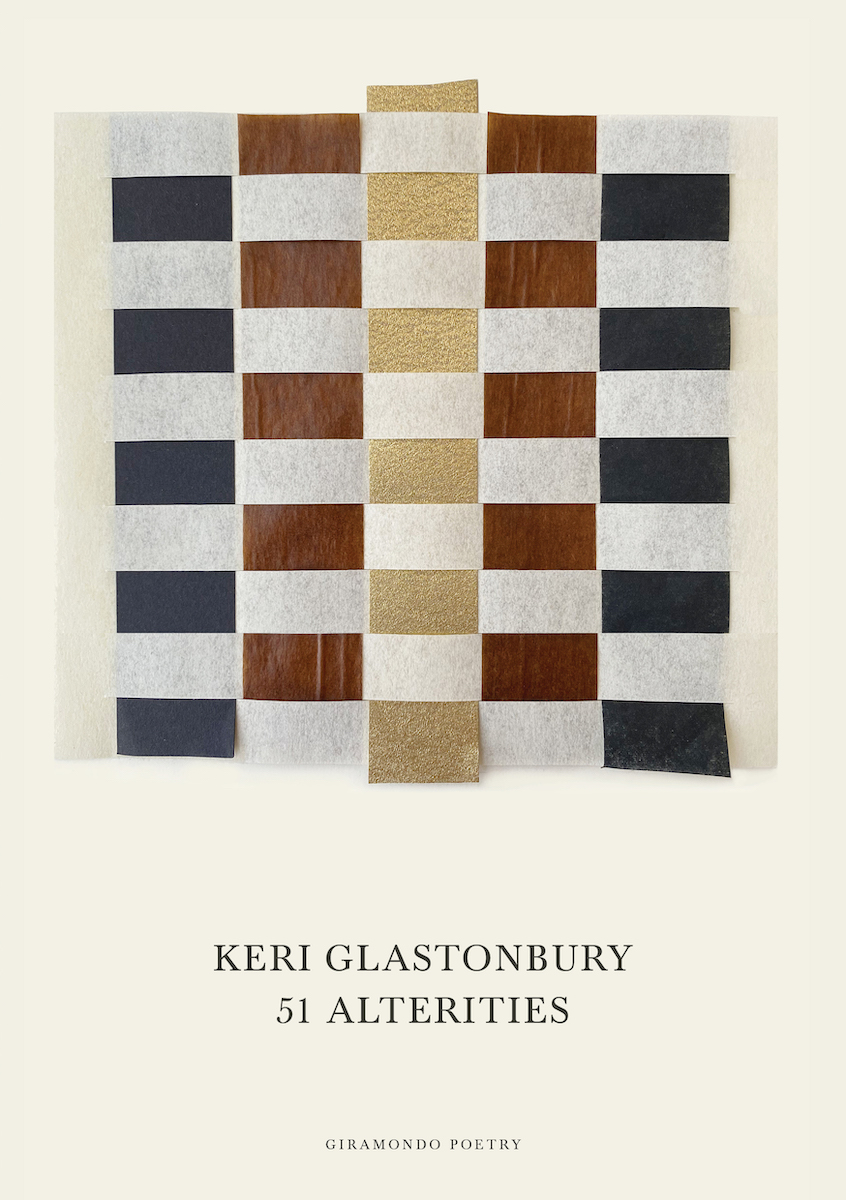
The title of Keri Glastonbury’s latest collection of poems, 51 Alterities, evokes the title of 81 Austerities (2012) by the English poet Sam Riviere. Glastonbury’s collection is, according to its author, ‘offered as a loose “antipodean” adaptation’ of 81 Austerities, a collection that was written ‘in response to the impact of austerity measures on the arts and as a provocation on poetry as a contemporary media in the internet age’. Post-internet poetry, taking on as it does the syntax and lexis of internet discourse (especially, but not wholly, that used in social media), has become a dominant style in contemporary Anglophone poetry. When 81 Austerities was reviewed by The Daily Telegraph the headline was ‘Poetry for the Facebook Age’. Such a caption now seems laughably dated, and perhaps a little naïve, suggesting something of the dangers of writing post-internet poetry. A decade is a long time in cyberspace.
The Leap by Paul Daley
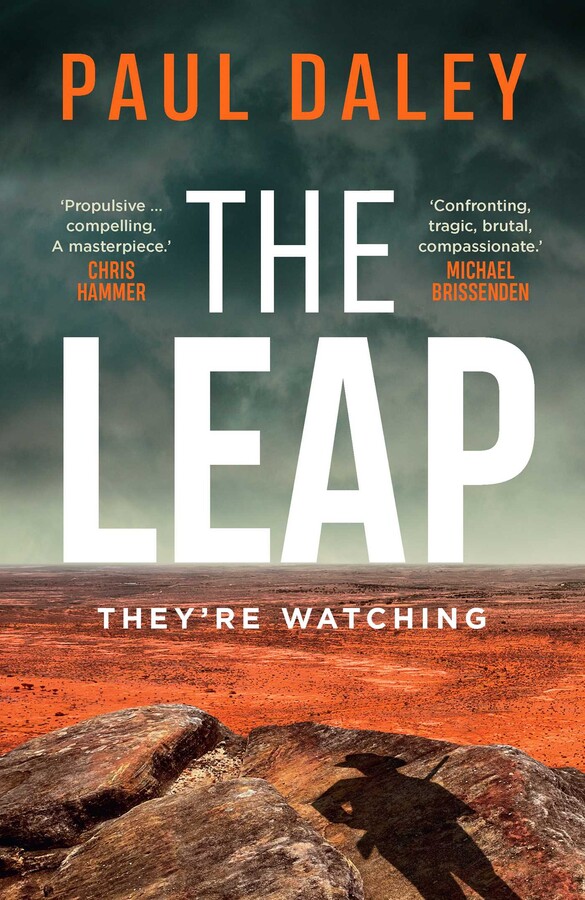
Who should we celebrate, or perhaps fault, for the publishing success of books labelled ‘outback noir’ in Australia over the past decade? Our starting point could be Jane Harper’s bestselling book The Dry (2016). The cornerstone of the genre for the author of The Leap, Paul Daley, is the seminal Kenneth Cook novel, Wake in Fright, first published in 1961. The longevity of the novel owes much to the 1971 feature film of the same name, directed by Ted Kotcheff, remembered for the infamous filming of a visceral Kangaroo shoot and the actor Donald Pleasence playing a most unpleasant lech. The Wolf Creek film franchise also deserves an honourable mention, along with its larrikin psychopathic killer, Mick Taylor, if not the real-life mass murderer, Ivan Milat himself.
ABR Arts
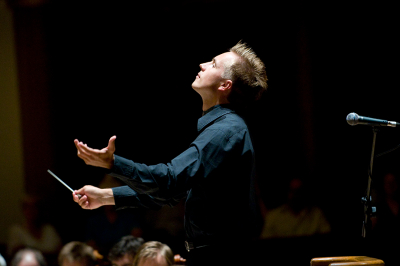
Bruckner and Strauss: A thoughtful performance of works by two Romantic masters
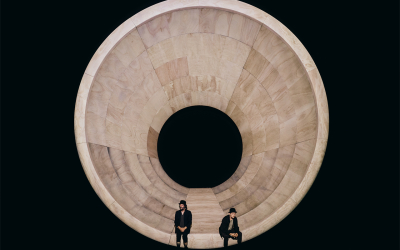
Letter from Santa Fe: 'Marriage of Figaro' and Wagner’s 'Die Walküre' at the Opera House
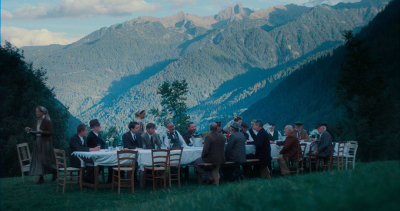
‘Waiting for Godot: Keanu Reeves and Alex Winter reunite for Beckett’s classic’
Book of the Week
Clever Men: How worlds collided on the scientific expedition to Arnhem Land of 1948 by Martin Thomas
Soon after the conclusion of the 1948 Arnhem Land expedition, its leader, Charles Pearcy Mountford, an ethnologist and filmmaker, was celebrated by the National Geographic Society, a key sponsor of the expedition, along with the Smithsonian Institution in Washington DC and the Commonwealth Department of Information. In presenting Mountford with the Franklin L. Burr Prize and praising his ‘outstanding leadership’, the Society effectively honoured his success in presenting himself as the leader of a team of scientists working together in pursuit of new frontiers of knowledge. But this presentation is best read as theatre. The expedition’s scientific achievements were middling at best and, behind the scenes, the turmoil and disagreement that had characterised the expedition continued to rage.
From the Archive
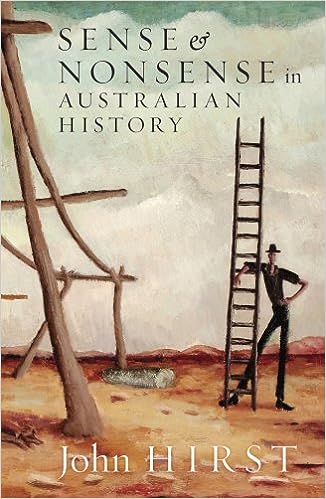
Sense and Nonsense in Australian History by John Hirst
John Hirst is a throwback. I don’t mean in his political views, but in his sense of his duty as an historian. He belongs to a tradition which, in this country, goes back to the 1870s and 1880s, when the Australian colonies began to feel the influence of German ideas about the right relationship between the humanities and the state. Today it is a tradition increasingly hard to maintain. Under this rubric, both historians and public servants are meant to offer critical and constructive argument about present events and the destiny of the nation. Henry Parkes was an historian of sorts, and he was happy to spend government money on the underpinnings of historical scholarship in Australia. The Historical Records of New South Wales was one obvious result, and that effort, in itself, involved close cooperation between bureaucrats and scholars. Alfred Deakin was likewise a man of considerable scholarship (and more sophisticated than Parkes), whose reading shaped his ideas about national destiny, and who nourished a similar outlook at the bureaucratic level.